

Manufacturers carefully select the metals used in the die-casting process to achieve optimal results in a variety of applications. The main metals used in die-casting include aluminum, zinc, magnesium, and brass. Each metal has its unique advantages: aluminum is known for its lightweight and durability; zinc is economical and ideal for small parts; magnesium is extremely lightweight, helping to reduce overall weight in critical applications; and brass is rust-resistant and easy to form.
| Material | Properties | Applications |
|---|---|---|
| Aluminum | Lightweight, durable, excellent conductivity | Automotive, aerospace, electronics |
| Zinc | Affordable, corrosion resistant, mass production | Small to medium-sized parts, decorative finishes |
| Brass | Good corrosion resistance, easy machining | Plumbing fixtures, electrical connectors, decorative items |
| Magnesium | Lightweight, needs protective coatings | Durable, lightweight parts |
Key Takeaways
- Aluminum is the most commonly used metal in die casting. It is lightweight yet strong and resistant to rust.
- Zinc is inexpensive and suitable for manufacturing small, delicate parts, so it is often used in mass production.
- Magnesium is very light and strong, making it ideal when weight reduction is required.
- Brass is resistant to rust, easy to shape, and commonly used in piping and decorative applications.
- Choosing the right die-casting metal is crucial, as it directly affects the strength, durability, and quality of the parts.
What Is Die-Casting?
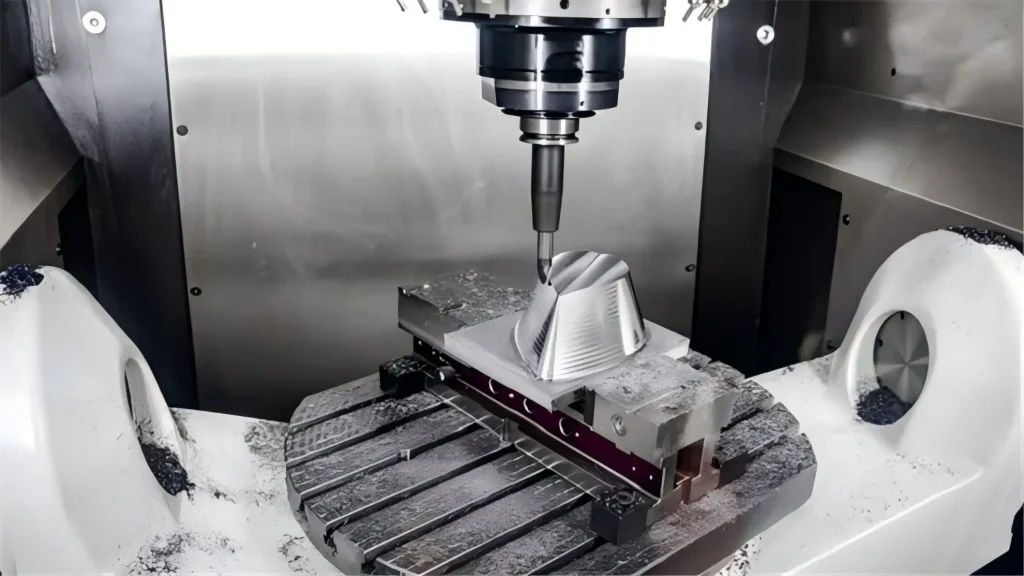
Die casting is a method of manufacturing metal parts. It can shape metal with extremely high precision and achieve the same result every time. The process uses devices called molds. High-temperature molten metal is poured into these molds, forming a specific shape. Companies use die casting technology to manufacture strong, lightweight parts that can also be very finely detailed. MORELUX is a company with excellent die casting technology, producing parts for industries such as automotive, electronics, mobile phones, and medical devices.
Die Casting Process
First, workers prepare the molds. They spray a special anti-stick agent onto the molds to prevent the metal from sticking together. This also helps the parts to be easily demolded. Next, they press the two parts of the mold tightly together. Then, they pour the high-temperature metal into the mold. The metal cools and solidifies inside the mold. After cooling, the mold opens. The machine ejects the new part. Workers trim off the excess metal. This step is called trimming.
| Step Number | Key Step | Description |
|---|---|---|
| 1 | Die Preparation | The die gets a spray so the part comes out easily. |
| 2 | Clamping | The die pieces are pressed together very tightly. |
| 3 | Cooling | The metal cools and gets hard in the die. |
| 4 | Ejection | The die opens and the part is pushed out. |
| 5 | Trimming | Workers cut off extra metal from the part. |
Die casting allows for the rapid production of large quantities of parts. These parts have a smooth finish and precise dimensions. Die casting is used to manufacture components such as car engines, battery covers, and electronic device housings.
The Importance of Metal Selection
Choosing the right metal is crucial in die casting. The selected metal affects the strength and intended use of the part. Each metal has its own advantages. Some metals are high in strength, some are flexible, and some are resistant to rust. Aluminum alloys are strong yet lightweight, making them ideal for manufacturing a wide variety of parts. Aluminum is resistant to rust and maintains its strength even at high temperatures. Many companies choose aluminum because it can be reused, saving costs and benefiting the environment.
Other metals such as zinc and magnesium are also commonly used. Zinc is inexpensive and suitable for manufacturing small, precision parts. Magnesium is very light, helping to reduce the weight of automobiles and electronics. High-quality metals ensure good performance, making parts strong, durable, and dimensionally accurate.
MORELUX uses the latest die casting equipment and maintains strict quality control. They ensure that every part meets quality standards. Their superior die casting technology helps customers obtain parts that best meet their needs.
Metal Used In Diecast
Overview of Die Casting Metals
Manufacturers use different metals for die casting. Aluminum is the most commonly used metal in die casting. Zinc, magnesium, and brass are also important. Some special-purpose die castings use copper, tin, lead, or pewter. Each metal has unique properties that make it suitable for die casting.
The following table lists the properties of the various main metals used in die casting:
| Metal | Characteristics |
|---|---|
| Aluminum | Lightweight, strong, handles high heat, conducts heat and electricity well. |
| Zinc | Melts at low heat, does not rust easily, smooth finish, looks nice. |
| Magnesium | Very strong for its weight, easy to shape, casts better than aluminum and copper. |
| Brass | Easy to cut, many uses, great for shiny finishes. |
| Copper | Conducts electricity well, used in electric parts. |
| Tin | Soft, simple to cast, used for decorations. |
| Lead | Heavy, used for special things. |
| Pewter | Melts at low heat, good for making detailed shapes. |
Aluminum is the most used die cast metal. Zinc is also popular because it costs less and is good for small parts. Magnesium is lighter than aluminum and helps make products lighter. Brass is easy to cut and gives a nice look.
Why These Metals Are Chosen
The metal used in diecast must follow strict rules. Aluminum, zinc, magnesium, and brass each have special things that make them great for die casting.
- Aluminum alloys like 360, 380, and 390 do not rust, are strong, and easy to cast. Aluminum is light and works well in cars and electronics.
- Zinc alloys are very pure and can make thin and smooth parts. Zinc is easy to cast and looks good. Zinc also costs less than aluminum.
- Magnesium alloys are strong for their weight and can stop vibrations. Magnesium is easy to cut and fast to cast. Magnesium parts are strong and light.
- Brass is easy to cut and does not cost much to make. Brass is used for parts that need to look nice and last long.
The table below compares the main features of these metals:
| Material | Properties | Suitability for Die Casting |
|---|---|---|
| Aluminum | Light, does not rust, easy to cast, strong | Used for many things, especially in cars. |
| Zinc | Bends without breaking, strong, can make thin parts | Great for many products because it is easy to cast. |
| Magnesium | Very light, strong for its weight, stops shaking | Good for things that need to be light and strong. |
| Brass | Many uses, easy to cut | Best for parts that need to look nice and cost less to make. |
Manufacturers also consider melting and casting temperatures. Aluminum has a melting point of 660.3°C and a casting temperature of 933.5°C. Zinc has a melting point of 419.5°C and a casting temperature of 692.6°C. Magnesium has a melting point of 650°C and a casting temperature of 923°C. Brass has a melting point between 900 and 940°C and a casting temperature between 1173 and 1213°C. These values affect the production speed and energy consumption of the parts.
Cost is also important. Aluminum is more expensive to form and manufacture because it requires higher temperatures. Zinc is less expensive and requires less processing after casting. Brass is less expensive to manufacture because it is easy to cut.
Manufacturers choose the metal used in die castings based on the needs of the parts. They consider strength, weight, cost, and ease of casting. The type of metal depends on the application of the part. Aluminum is commonly used for automotive parts. Zinc is used for small, delicate parts. Magnesium is used for lightweight parts. Bright, durable parts are typically made of brass. Other metals, such as copper, tin, lead, and pewter, are used for special purposes.
Choosing the right die-casting metal helps ensure that each part performs at its best. MORELUX uses advanced equipment to select the most suitable metal for each task. They have extensive knowledge of all the metals used in die casting.
Aluminum Die Casting

Aluminum die casting is the most common way to make strong and light metal parts. Many companies use aluminum die casting because it makes parts that last and are easy to shape. The process uses high pressure to push melted aluminum into steel molds. This lets workers make tricky shapes fast with smooth surfaces. Aluminum die casting does not cost much, so it is good for making lots of parts.
Die Cast Aluminum Properties
Die cast aluminum has many good features. These features make it great for lots of jobs. The table below shows what die cast aluminum can do:
| Property | Description |
|---|---|
| Lightweight | Aluminum is very light, so it works well for die casting. |
| Corrosion resistance | Aluminum does not rust easily, so it can handle tough places. |
| Thermal conductivity | Aluminum moves heat well, so it is good for parts that need to stay cool. |
| Cost-effectiveness | Aluminum is cheap, so it is good for making many parts. |
Aluminum die casting makes parts that do not rust and can handle heat. The process also makes parts that are easy to cut and finish. These features show why aluminum die casting is used so much in factories.
Aluminum Applications
Many businesses use aluminum die casting for important parts. The most used aluminum alloys are A380 and A383. The table below shows what is good about them:
| Alloy Type | Advantages |
|---|---|
| A380 | Does not rust, strong, stretches well, easy to cut, good for tricky shapes, light, lasts in hot places. |
| A383 | Better at not rusting, better at not breaking down, moves heat well, good for hard projects, cheap and easy to use. |
Die cast aluminum is used in many areas:
- Automotive: Gears, pistons, engine blocks, and covers use aluminum die casting for strength and light weight.
- Aerospace: Light aluminum parts help make planes weigh less.
- Electronics: Cases and connectors use aluminum die casting for safety and heat control.
- Construction: Window frames, covers, and safety tools use aluminum die casting because it lasts.
Other uses for die cast aluminum are medical tools, machines, and things people buy. Aluminum die casting lets companies make parts quickly and with great detail.
MORELUX uses new machines for aluminum die casting. Their team makes strong parts for cars, electronics, and medical tools. The aluminum die casting at MORELUX follows strict rules for strength and quality. Their skill with aluminum alloys makes sure every part is just right for the customer.
Zinc And Magnesium Die Casting Metals
Zinc and magnesium are important metals for die-casting. Each metal has special strengths. Zinc alloys are strong and can bend without breaking. Magnesium alloys are very light and strong for their weight. These features make both metals useful in many industries.
Zinc In Die-Casting
Zinc die-casting is popular because it makes strong parts. Zinc alloys are good for small and complex shapes. They resist rust and can handle stress well. Zinc dies can make over one million parts. This lowers the cost for each part. Zinc alloys help parts fit together perfectly.
Zinc die-casting is fast. Zinc melts at a lower temperature. This makes the process 150% to 200% faster than aluminum. Companies can make more parts in less time.
The table below shows why zinc is a good choice:
| Advantage | Description |
|---|---|
| Cost-Effectiveness | Zinc dies cost less and last longer. |
| Precision | Parts can fit tightly, often with no extra work. |
| Surface Finish | Zinc parts come out smooth from the die. |
| Complex Shapes | Zinc can make detailed and strong parts. |
| Fast Production | Zinc casting cycles are very quick. |
Zinc die casting is used to manufacture car door handles and brackets. It is also used in electronic housings and connectors. Zinc is used in machinery to manufacture gears and bushings.
Magnesium Die Casting
Magnesium die casting can produce very lightweight parts. Magnesium is about one-third lighter than aluminum. This is highly advantageous for automobiles and aircraft where lightweighting is required. Magnesium alloys have a very high strength-to-weight ratio. They are excellent at absorbing energy and protecting parts from impacts.
Magnesium die casting is suitable for thin-walled and complex-shaped parts. This process is ideal for intricate designs. Magnesium parts can maintain their shape for a long time. Through special coatings, magnesium has better corrosion resistance than aluminum.
The table below compares zinc and magnesium:
| Property | Zinc Alloys | Magnesium Alloys |
|---|---|---|
| Density | Heavier than magnesium | 1.8 g/cm³ (very light) |
| Strength | 280–400 MPa | 230–270 MPa (AZ91D) |
| Ductility | Good, absorbs stress | More brittle under heavy strain |
| Corrosion | Good resistance | Needs coating for best resistance |
| Castability | Excellent for details | Great for thin walls and shapes |
| Applications | Automotive, electronics, machines | Automotive, aerospace, medical devices |
Magnesium alloy die castings are used in automotive transmission housings and steering components, as well as aircraft seat frames. Laptops, cameras, and medical devices also utilize magnesium alloy parts.
MORELUX offers zinc and magnesium alloy die casting solutions. Their team uses advanced technology to manufacture high-quality parts and helps customers select the right metal for each project. Every part meets stringent standards.
Other Die Casting Metals
Brass, Copper, and Other Metals
Brass, copper, tin, lead, and pewter are not as widely used in die casting as some other metals. These metals possess unique properties that make them suitable for certain specific applications. Brass is rust-resistant and has a beautiful appearance. Copper has good electrical and thermal conductivity. Tin and lead are softer and suitable for casting at lower temperatures. Pewter is ideal for creating intricate and complex shapes.
Brass is favored in die casting due to its gold-like appearance and resistance to rust. This makes it an ideal material for manufacturing high-end hardware and piping parts. Copper has good electrical conductivity, making it ideal for manufacturing electrical components and water fittings.
The following table lists the properties of these metals and their applications:
| Metal | Unique Properties | Applications |
|---|---|---|
| Copper | Moves electricity and heat well, resists rust and wear | Electrical parts, plumbing, marine equipment |
| Brass | Does not rust, looks nice, easy to cut | Fancy hardware, plumbing parts, connectors |
| Bronze | Strong and lasts a long time | Heavy-duty parts |
| Tin | Soft, easy to cast, melts at low heat | Jewelry, collectibles, custom molds |
| Lead | Heavy, easy to shape, melts at low heat | Small batches, new design prototypes |
| Pewter | Melts at low heat, good for detailed shapes | Decorative arts, collectibles, jewelry |
These metals are used for special purposes. Designers choose brass and copper to create artwork, jewelry, and collectibles. Tin, lead, and pewter are suitable for making custom molds and small-batch production. These metals facilitate the design of new styles and can be cast at lower temperatures.
Special Alloys in Die Casting
Special alloys enhance the performance of die-cast parts. Aluminum, zinc, and magnesium alloys are commonly used in die casting. These alloys help to create parts that are strong, lightweight, and rust-resistant.
| Alloy Type | Benefits |
|---|---|
| Aluminum | Light, strong, does not rust, shapes well, moves heat easily. |
| Zinc | Melts at low heat, flows well, bends easily, good for making lots of parts. |
| Magnesium | Very light, strong enough, makes tricky shapes, good for things that need to be light. |
Specialty alloys are crucial for applications requiring high-strength components. Aluminum alloys help components resist corrosion and high temperatures. Automotive and aircraft manufacturers use aluminum castings to manufacture engines and frames. These alloys make components strong yet lightweight, contributing to fuel efficiency.
Die casting allows manufacturers to blend different alloys. This not only enhances the strength of components but also extends their service life. Specialty alloys help products maintain good performance even under frequent use.
Manufacturers pick from a few metals for die casting. Aluminum, zinc, and magnesium are the most used. Each metal has its own special strengths. The table below explains why these metals are popular:
| Metal | Advantages |
|---|---|
| Aluminum | Strong and does not rust |
| Zinc | Good for small details, saves money, fast to make |
| Magnesium | Very light, used for new high-tech products |
Choosing the best metal depends on price, size, strength, and how it looks. Companies like MORELUX help others find the right metal and process for their parts.
FAQ
What is the most commonly used metal in die casting?
Aluminum is the most commonly used metal in die casting. It is lightweight yet strong and does not easily rust. Many companies use aluminum to manufacture automobiles, electronics, and tools.
Why do manufacturers use zinc in die casting?
Zinc helps in the rapid production of delicate parts. It has a low melting point and is less expensive. Zinc is suitable for small parts and decorative pieces and makes surfaces smooth.
Can multiple metals be used in die casting?
Yes, some projects use multiple metals. Manufacturers mix different metals to improve the strength or aesthetics of the parts. This is called multimetallic die casting or overmolding die casting.
What industries use die-cast parts?
- Automotive
- Electronics
- Medical equipment
- Telecommunications
These industries need parts that are strong and light. Die casting helps make these parts fit well and last.