
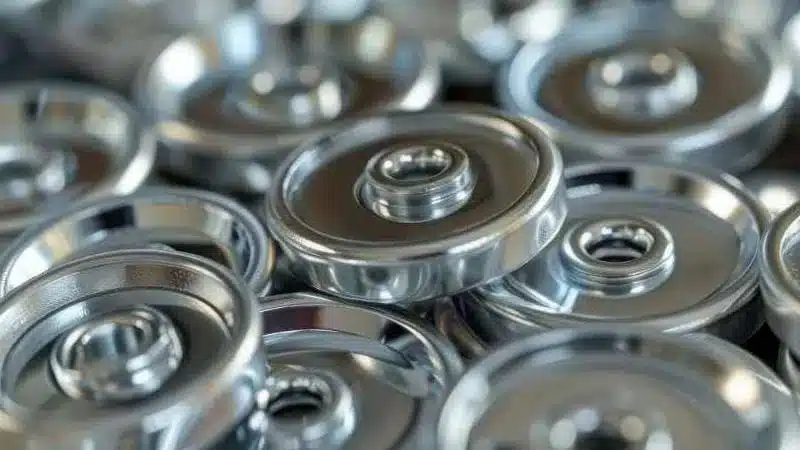
Can zinc be chrome-plated? Chrome plating refers to applying a layer of chromium to the surface of a metal, giving the zinc a bright, mirror-like finish. This process not only improves the appearance but also effectively prevents zinc from rusting and becoming damaged. Chrome-plated zinc parts are more durable and can withstand harsh environments for longer periods. Proper cleaning and preparation before chrome plating are crucial to ensure optimal results. Chrome plating forms a solid layer of chromium on the zinc surface, while passivation only forms a thin film that doesn’t achieve the same shine.
Key Takeaways
- Chrome plating improves the appearance of zinc and prevents rusting. This process involves plating the zinc surface with layers of copper, nickel, and chromium.
- Cleansing and preparing the zinc parts is essential for achieving good chrome plating results. This helps the chromium layer adhere firmly and maintain its adhesion for a longer period.
- Chrome plating gives zinc parts a bright appearance and strong protection. Passivation only forms a thin film and does not improve its appearance.
- Using coatings such as copper and nickel helps the chromium layer adhere and extends its lifespan. This enhances the strength of chrome-plated zinc parts.
- Do not chrome plate zinc parts that will be subjected to high temperatures or severe wear. Zinc will decompose under overheating or frequent use.
Can zinc be chromed?

Direct Answer and Explanation
Zinc can be chrome-plated as long as the correct steps are followed. Many companies use chrome plating to improve the appearance and lifespan of zinc parts. First, workers thoroughly clean the zinc parts, removing all grease and dirt, which helps the chrome layer adhere better to the zinc. Then, they plate a thin layer of copper foil. The copper foil protects the zinc from damage caused by the chrome layer. Afterward, copper, nickel, and chrome are plated in sequence. Each layer makes the part stronger and brighter. Finally, workers polish the parts to give them a smooth, shiny surface.
MORELUX experts use these steps to chrome-plat zinc parts with a high-quality process. Their team carefully inspects each step. This meticulous process helps extend the lifespan of the chrome plating and makes it look more beautiful.
Chromium Plating vs. Passivation
People sometimes wonder what the difference is between chromium plating and passivation for zinc. Both methods protect zinc, but the principles are different. Chromium plating forms a hard, shiny coating on the zinc surface. Passivation forms a thin film that prevents rusting but does not significantly change the appearance of the zinc.
The following table lists the main differences:
| Feature | Chrome Plating | Passivation |
|---|---|---|
| Corrosion Resistance | Makes zinc resist rust with a hard layer | Makes a film to stop oxidation |
| Surface Hardness | Very hard (400-1200 HV) | Not made to be hard |
| Temperature Resistance | Works up to 500°C, oxidizes above 500°C | Not listed, but usually stable |
| Application | Used for looks and to stop wear | Used to make zinc coatings last longer |
| Stability in Air | Stays good in humid air | Zinc forms films in moisture |
MORELUX offers chrome plating and other surface treatments for zinc die castings. Their team assists clients in selecting the most suitable solution for their needs. Chrome plating makes zinc shiny, strong, and durable. While passivation provides basic protection, chrome plating offers superior gloss and strength.
Chrome Plating Process Steps

Cleaning and Preparation
Workers first clean the zinc parts. They use machines to remove dirt and grease. Next, they use electrolytic degreasing to remove any remaining fine impurities. Then, acid pickling removes the oxide layer, exposing the metal underneath. Clean zinc helps chromium adhere better. If the zinc is to be chromium plated, these steps help make the plating strong and shiny.
Good cleaning can prevent problems such as weak adhesion or peeling. MORELUX uses special cleaning methods to ensure that every zinc part is ready for electroplating.
Copper Flash Layer
The copper flash layer is crucial in the chromium plating process. Workers apply a thin layer of copper onto the zinc. This copper layer acts as a protector, shielding the zinc from damage when other metals are added. Copper also helps the nickel and chromium layers adhere. If this step is omitted, the lifespan of the chromium-plated zinc may be short.
Nickel and Chromium Plating
After copper plating, workers add a layer of nickel. Nickel helps prevent rust and smooths the surface. It prepares the surface for the subsequent chrome plating, the final layer. Chrome plating gives the parts a shine and prevents discoloration. Each layer must bond firmly to the next. MORELUX inspects each step to ensure it is done correctly.
| Step | Description | Contribution |
|---|---|---|
| Pre-cleaning | Takes off dirt and grease | Helps layers stick |
| Electrolytic Degreasing | Removes tiny bits left behind | Gets surface ready |
| Acid Pickling | Takes off oxide layer | Shows new metal |
| Copper Flash | Adds thin copper layer | Stops zinc from dissolving |
| Nickel Plating | Makes it smooth and strong | Gets ready for chrome |
| Chrome Plating | Adds chrome layer | Makes it shiny and stops tarnish |
| Post-treatment | Rinses, dries, and checks | Makes sure it is good quality |
Step Importance of zinc be chromed
The Importance of Cleaning
Cleaning is crucial in the galvanizing process. Workers need to remove dirt, grease, and oxides from the zinc surface. Clean zinc helps each plating layer adhere better. If the zinc surface is dirty, the chromium plating may peel or detach. Experts employ multiple cleaning steps, such as degreasing and etching, to bring the metal to the required plating level. The table below illustrates how each cleaning step helps the plating adhere better and extend its lifespan:
| Surface Preparation Technique | Impact on Adhesion and Durability |
|---|---|
| Cleaning | Enhances adhesion |
| Degreasing | Improves surface cleanliness |
| Etching | Increases surface roughness |
| Activation Treatments | Promotes better bonding |
| Passivation | Enhances corrosion resistance |
| Sealing | Provides additional protection |
| Topcoat Applications | Increases longevity of coatings |
The Role of Intermediate Layers
Intermediate layers such as copper and nickel help protect zinc. Copper acts as a protective layer between zinc and nickel. Nickel forms a strong barrier against rust and wear. Chromium plating is thin and sometimes has micro-cracks. The nickel layer beneath the chromium provides most of the protection. The combined use of copper, nickel, and chromium makes the parts strong and shiny.
Ensuring Chromium Plating Adhesion
The adhesion of the chromium plating is crucial for both appearance and strength. Studies have shown that good adhesion helps prevent rust and chromium plating peeling. The table below lists some research findings:
| Study Title | Year | Findings |
|---|---|---|
| Investigations on corrosion resistance of steel coated with chromium-free ZTM conversion coating | 2012 | Shows how chrome helps adhesion and stops rust. |
| EIS study on the corrosion performance of a Cr(III)-based conversion coating on zinc galvanized steel for the automotive industry | 2011 | Shows why chrome adhesion matters for stopping rust in cars. |
| From Chrome to Chrome-Free: Various Coating Processes Determine Optimum Use for Prepainted Aluminum Products | N/A | Talks about how chromate coatings help adhesion and stop rust, which also helps zinc. |
Challenges & Tips
Success Tips
Experts have provided some tips to help you better handle galvanized parts. The table below lists some important tips:
| Best Practice | Description |
|---|---|
| Surface Inspection | Check the part carefully before plating to find any defects. |
| Air Shot Blast Cleaning | Use air shot blasting for a final clean before starting the plating process. |
| Thickness Testing | Measure the thickness of each layer to make sure it is even and reliable. |
| Adhesion Tests | Test how well the layers stick together to ensure durability. |
| Corrosion Durability Testing | Use salt spray tests to check how well the plated part resists rust. |
| Automation and Clean Room Facilities | Use machines and clean rooms to reduce mistakes and keep the process consistent. |
| Advanced Chemistry Monitoring | Watch the chemicals closely to keep the plating quality high. |
When is it not advisable to chrome plate zinc?
Grommeting zinc is not always a wise choice. Experts advise against chrome plating zinc parts for high-temperature environments. Zinc begins to decompose once the temperature exceeds 200°C (392°F). Its optimal operating temperature is below 150°C (302°F). If the parts need to withstand higher temperatures, it is best to choose a different plating. Furthermore, zinc has a low hardness, only 40 to 150 HV, making it unsuitable for surfaces prone to slipping or abrasion. This means it is not suitable for applications with frequent friction. Therefore, chrome plating zinc is not suitable for high-temperature or high-abrasion environments.
However, zinc can be chrome plated if the procedure is followed correctly. First, the zinc surface needs to be thoroughly cleaned. Then, copper and nickel layers are added. These layers help the chrome layer adhere and extend its lifespan. Proper preparation of the zinc is crucial for achieving a good plating result.
FAQ
What are the main advantages of chrome-plated zinc parts?
Chrome-plated zinc parts provide a bright appearance and a strong protective layer. The chrome layer helps prevent rust and wear. Many industries use chrome-plated zinc parts, balancing aesthetics and durability.
Can chrome-plated zinc parts be used outdoors?
Yes, chrome-plated zinc parts are ideal for outdoor use. The chrome layer protects the zinc from rain and sunlight, extending the lifespan of parts in harsh weather conditions.
How thick is the chrome layer on zinc parts?
Most zinc parts have a chrome layer thickness between 0.5 and 1 micrometer. This thin layer provides a bright surface and strong protection without adding weight.
Will chrome plating change the dimensions of zinc parts?
The chrome plating layer is very thin, so dimensional changes are minimal. Most parts retain their original shape and size. The chrome plating thickness is checked by technicians to ensure the parts meet dimensional specifications.