

Zinc die-casting materials fall primarily into two categories: ZAMAK alloys and ZA alloys. ZAMAK alloys are commonly used to produce a wide range of zinc alloy die-castings, whereas ZA alloys, offering superior strength, are suited for high-strength applications. MORELUX utilizes these zinc die-casting alloys and maintains end-to-end control over every stage of production—from mold making to final assembly—employing efficient, reliable processes to deliver high-quality zinc die-cast products to the automotive industry.
Key Takeaways
- Zinc die cast materials are divided into ZAMAK and ZA alloys, each with special strengths for different jobs.
- Zinc die casting makes strong, thin-walled parts with smooth surfaces, perfect for cars and electronics.
- Pick ZA-27 when you need the strongest parts. But in tough conditions, add a coating to keep the zinc safe.
Zinc Die Casting Alloys Overview
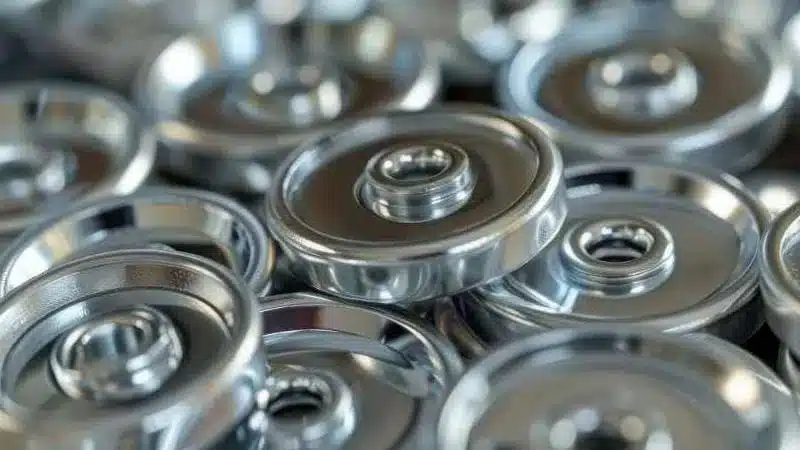
Zinc die cast materials divide into two primary families: ZAMAK alloys and ZA alloys. Each family serves distinct purposes in manufacturing. Engineers select these zinc die casting alloys based on the required strength, ductility, and cost targets for a given component. MORELUX produces parts from both families, offering flexibility across many industries.
ZAMAK Alloys
ZAMAK alloys are the core materials for most zinc alloy die-casting operations. The name is derived from their primary constituents: Zinc, Aluminum, Magnesium, and Copper. Aluminum enhances strength and hardness; magnesium improves dimensional stability; and copper increases wear resistance. These zinc alloy formulations ensure reliable and consistent production results.
ZAMAK 3 is the most widely used grade, offering an excellent balance between mechanical properties and castability. Manufacturers frequently use it for automotive interior components, electronic device housings, and hardware fittings. ZAMAK 5 contains a higher copper content, resulting in greater strength and hardness, making it suitable for parts subject to heavy loads or repeated impacts. Among the ZAMAK series, ZAMAK 2 offers the highest strength but requires precise process control during casting.
The table below compares ZAMAK 3 with another common zinc alloy, ZA-8:
| Property | ZAMAK 3 | ZA-8 |
|---|---|---|
| Brinell Hardness | 83 | 87 to 100 |
| Compressive Strength (MPa) | 410 | 210 to 250 |
| Elastic Modulus (GPa) | 86 | 85 to 86 |
| Elongation at Break (%) | 11 | 1.3 to 8.0 |
| Fatigue Strength (MPa) | 48 | 51 to 100 |
| Fracture Toughness (MPa·m^1/2) | 12 | 13 |
| Knoop Hardness | 110 | 110 to 130 |
| Poisson’s Ratio | 0.25 | 0.26 |
| Rockwell B Hardness | 50 | 54 to 65 |
| Shear Modulus (GPa) | 33 | 34 |
| Shear Strength (MPa) | 210 | 240 to 280 |
| Tensile Strength: Ultimate (MPa) | 280 | 210 to 370 |
| Tensile Strength: Yield (MPa) | 210 | 210 to 290 |
These numbers reveal key differences. ZAMAK 3 shows higher elongation, meaning it bends before breaking. ZA-8 offers a wider hardness range and better fatigue resistance. The physical properties and mechanical properties of each alloy guide material selection.
ZA Alloys
ZA alloys contain higher aluminum content than ZAMAK grades. The three main types are ZA-8, ZA-12, and ZA-27. The numbers indicate aluminum percentage: ZA-8 has 8.4%, ZA-12 has 11%, and ZA-27 has 27%. Higher aluminum content increases strength and hardness but reduces ductility.
ZA-8 holds a special position. It remains the only ZA alloy suitable for hot-chamber die casting. This process allows faster production cycles and lower costs. ZA-12 and ZA-27 require cold-chamber machines due to their higher melting temperatures. MORELUX can produce parts from all three alloys with excellent surface finish and thin walls.
ZA-27 delivers remarkable strength. One manufacturer states it is three times stronger than typical cast aluminum. The table below shows the direct comparison:
| Alloy | Tensile Strength |
|---|---|
| ZA-27 (Zinc Aluminum) | 425 MPa |
| A380 (Aluminum) | 47,000 psi (47 ksi) |
ZA-27 at 425 MPa far exceeds A380 at approximately 324 MPa. This strength makes ZA-27 ideal for heavy-duty applications like gears, bushings, and structural brackets. The automotive industry uses these alloys for components that must withstand constant stress.
The applications of zinc die casting span many sectors. Automotive parts, electrical connectors, and industrial tools all benefit from zinc alloy die casting. Each zinc die cast material offers unique advantages. Engineers match the alloy to the job, ensuring optimal performance and cost efficiency. MORELUX guides customers through this selection process, delivering precision zinc die casts tailored to specific needs.
Zinc Die Casting Process and Properties

Zinc Alloy Die Casting Process
The zinc alloy die casting process begins by melting zinc alloy ingots in a furnace. The molten metal is then injected into a steel mold under high pressure. This high-pressure process forces the liquid metal into every corner of the mold. The metal cools rapidly and takes the shape of the final component. Once the part is removed, the next production cycle can begin.
The process is extremely fast. Most components are produced at a rate of 200 to 300 casting cycles per hour, while tiny parts (such as zipper teeth) can reach speeds of up to 18,000 cycles per hour. This high efficiency makes zinc alloy die casting ideal for large-volume orders.
Advantages of Zinc Alloy Die Casting
Zinc alloy die casting offers several significant advantages. Zinc is characterized by high strength, good toughness, and strong impact resistance. Under stress, components tend to deform rather than fracture. This toughness makes the material highly suitable for manufacturing automotive parts and industrial hardware.
Engineers also value the physical properties of zinc. Zinc alloy die castings can feature wall thicknesses as low as 0.5 mm or even less. This thin-wall design saves material and reduces weight. The castings have smooth surfaces, allowing for electroplating or painting without extensive pre-treatment. Additionally, zinc has superior thermal conductivity compared to aluminum, which aids in heat dissipation.
These advantages effectively lower costs. Rapid production cycles reduce labor costs per unit, while streamlined post-processing steps cut down on expenses. These cost-saving effects are particularly significant in mass production. The zinc alloy die casting process ensures consistent quality across thousands of components.
Comparing Zinc Die Cast Materials
Comparison of Zinc and Aluminum Die Castings
Zinc and aluminum die casting are suited to different applications. Compared to aluminum, zinc offers higher strength and greater toughness, as well as superior ductility. These properties make zinc ideal for manufacturing components that must withstand impact without fracturing. Aluminum is lighter—weighing approximately two-thirds as much as zinc—a difference that is critical for large structural components. Aluminum also offers superior corrosion resistance in certain environments, though this gap narrows when protective coatings are applied.
Corrosion resistance is a crucial factor for outdoor components made via zinc die casting. The table below shows the corrosion rates of these materials in marine environments:
| Environment | Material | Corrosion Rate (micron/yr) |
|---|---|---|
| Marine (Key West, Florida) | Diecast zinc alloy | 10.00 |
| Marine (Montauk Point, Long Island) | Diecast zinc alloy | 10.00 |
| Marine (Key West, Florida) | High purity zinc | 3.00 |
| Marine (Montauk Point, Long Island) | High purity zinc | 3.00 |
Zinc die cast alloys corrode at 10 microns per year in marine air. That rate is more than three times higher than high purity zinc.
Most zinc die cast parts get coatings like plating or paint. These layers block moisture and stop rust.
Being underwater brings extra problems:
- When fully submerged in seawater, expect corrosion of 12 to 25 microns per year.
- Corrosion speeds up a lot when parts go in and out of water, like in the tidal zone.
- Castings that go in and out of water need proper protection.
These numbers show that zinc alloy die casting needs surface protection in tough environments.
Making the Right Choice
The choice between zinc and aluminum depends on the specific requirements of the component. The zinc alloy die-casting process is ideally suited for manufacturing parts with thin walls, intricate details, and smooth surfaces; automotive interior components, electronic device housings, and various hardware parts all benefit from this process. Zinc alloy die-castings can feature wall thicknesses as low as 0.5 mm, effectively saving material and reducing weight, while maintaining excellent strength even in complex geometries.
Aluminum alloy die-casting, on the other hand, is better suited for producing lightweight structural components such as engine blocks, transmission housings, and large brackets. The low weight of aluminum helps reduce the overall mass of the vehicle. Both materials contribute to the advancement of the automotive industry in their own distinct ways.
Zinc alloy die-castings offer superior surface finish and precise dimensional accuracy, making them an ideal choice for visible components; electronic housings, decorative trim, and various automotive parts benefit from this exceptional surface quality.
Both materials are widely used in automotive applications: zinc alloys are commonly used for interior components and small brackets, while aluminum alloys are employed for engine parts and structural components. The properties of zinc alloy die-castings meet a wide range of application needs, with each material playing a unique role in vehicle design. The final choice often requires balancing performance requirements against production costs.
Zinc die cast materials divide into ZAMAK and ZA families. Each alloy serves different applications. Zinc die casting delivers strength, ductility, and thin walls. The smooth surface finish suits complex parts. Automotive components benefit greatly from these properties. MORELUX offers precision solutions with advanced tooling, machining, and finishing. Engineers receive expert guidance for material selection. Contact MORELUX for a consultation or quote today.
FAQ
Which zinc alloy suits high-strength applications?
ZA-27 has the highest tensile strength of all zinc alloys. It hits 425 MPa, which is much stronger than standard aluminum options. Engineers pick ZA-27 for gears, bushings, and structural brackets that handle constant stress.
How thin can zinc die cast walls become?
Zinc die casting can make walls as thin as 0.5 mm or even less. This thin-wall ability saves material and cuts down weight. The process keeps strength even in complex, detailed shapes.
What finishing options does MORELUX provide?
MORELUX provides electroplating, chromating, painting, anodizing, and KTL coating. These finishes improve durability and appearance. The company also does CNC machining and assembly for complete solutions.