

Die casting aluminum is a precision factory process. Workers pour molten aluminum alloy into steel molds under extremely high pressure. These reusable molds enable the creation of lightweight yet robust metal parts with complex shapes. Many important industries employ this die casting process because it allows for the rapid production of large quantities of reliable parts.
Key Takeaways
- Fast machines push liquid aluminum into steel shapes.
- They make light, strong, and exact metal pieces.
- Plants save big money on huge orders this way.
- They reuse high-tech steel molds for big jobs.
- Die cast aluminum handles very high heat well.
- It also handles stress better than plastic or sand-cast metal.
Understanding Die Cast Aluminum & Process
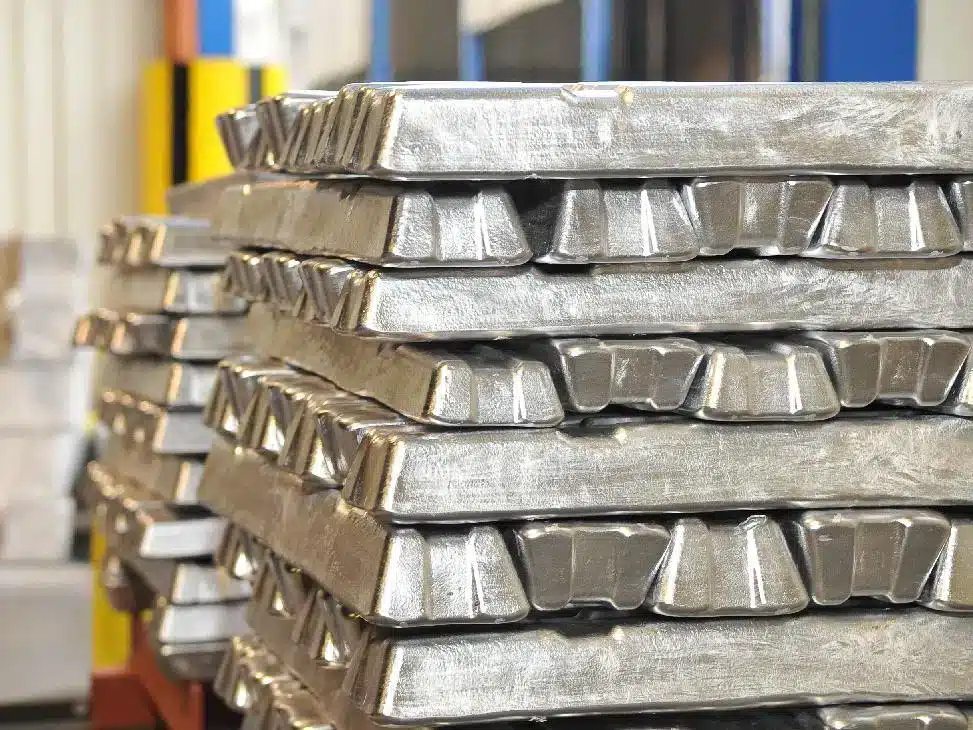
The Meaning of Die-Casting Aluminum
Intense pressure forces molten, hot metal into a steel mold. This ingenious process allows for the creation of extremely thin walls and exceptionally stable parts. MORELUX uses specialized CAD software and intelligent fluid technology to design the molds. Their modern factories produce robust and durable aluminum products. High pressure can significantly alter the properties of metal parts:
- Dimensional Precision: High pressure maintains very tight size limits.
- Microstructure Refinement: Rapid cooling shrinks inner metal gaps quickly.
- Grain Refinement Benefits: Fine inner patterns boost overall metal strength.
Regular aluminum die casting rules follow strict industrial limits:
| Feature Category | Standard NADCA Tolerance |
|---|---|
| Linear Dimensions (per inch) | ±0.002 in (±0.05 mm) |
| Hole Diameter | ±0.003 in (±0.08 mm) |
| Surface Flatness (per inch) | ±0.004 in (±0.10 mm) |
| Small Feature Minimum Limit | ±0.005 in (±0.13 mm) |
Steps in the Die Casting Process
Workers use a clear aluminum die casting process to craft parts:
- Clamping: Heavy machines lock mold sides together tightly.
- Injection: A strong pump shoots liquid metal fast.
- Intensification: Added pressure packs extra metal inside molds.
- Cooling and Ejection: Metal cools fast. Special pins push parts out.
- Trimming: Sharp tools trim away extra leftover bits.
Cold Chamber Injection Molding
Many factories choose cold chamber injection molding for aluminum die casting. Molten aluminum can easily damage heat pumps. High-temperature metals react rapidly, easily damaging the mold. Therefore, workers scoop molten metal into cold metal tubes. A long piston pushes the metal at extremely high pressure. Cold chamber injection molding allows for rapid cooling of parts, resulting in components with extremely high density. Advanced equipment can improve the entire die casting process in a factory. During die casting, extremely high pressure rapidly fills the mold.
Properties & Benefits of Die Cast Aluminum

Benefits of Die Cast Aluminum
Makers pick aluminum die casting for good parts. It saves big money on large jobs:
- Economies of Scale: Cheap single items fix high tool costs.
- Low Unit Cost: Shops make cheap parts in big groups.
- Production Efficiency: Fast steps cut work and scrap metal.
- Part Consolidation: One part joins many items to save cash.
This method cuts major weight compared to iron.
| Material Property / Metric | Die-Cast Aluminum (e.g., A380, ADC12) | Cast Iron (Gray / Ductile) | Relative Weight Reduction |
|---|---|---|---|
| Material Density | ~2.7 g/cm³ | ~7.0–7.3 g/cm³ | N/A |
| Part Weight (Same Geometry) | ~33% of original weight | Baseline (100%) | ~66.7% weight reduction |
Key Properties of Aluminum Alloys
Custom-grade aluminum alloys offer excellent thermal and electrical conductivity, good dimensional retention, lightweight properties, and corrosion resistance.
Smooth surfaces are achieved through forming processes without additional machining. A380 grade aluminum alloys boast an ultimate tensile strength of up to 324 MPa and a yield strength of up to 159 MPa.
Applications of Die Casting Aluminum
Automakers require die-cast aluminum to manufacture critical automotive systems:
| Vehicle System | Aluminum Die-Cast Components |
|---|---|
| Powertrain Systems | Engine blocks, cylinder heads, oil pans, and transmission cases |
| Chassis Applications | Suspension components, steering housings, and brake components |
| Electric Vehicle (EV) Systems | Battery housings, cooling plates, motor housings, and controller housings |
Tech shops use aluminum die casting too. They make phone devices and light covers. Built-in fins shed heat fast. This detail boosts lifespan and strength.
Die Casting Compared to Other Methods
Die Casting vs. Sand Casting
Sand casting uses sand to create heavy parts. These sand molds are for single use only. High-pressure die casting uses steel molds. Hot liquid is poured into these robust steel molds. This fast method can produce many aluminum products. Sand roughens the metal surface. Steel molds make the metal surface very smooth. Fine sand can achieve a surface roughness of Ra 120 to 220.
Die Casting vs. CNC Machining
CNC machining uses cutting tools to cut solid blocks. Casting involves pouring liquid into an empty mold. For small batch orders, CNC cutting tools are less expensive. They are suitable for orders under 500 parts. Die casting is more cost-effective for orders over 1000 parts. High-volume production can reduce the price per part. MORELUX is a leading machining plant. They use both manufacturing methods daily. Workers operate CNC milling machines to achieve precise dimensions.
Die Casting vs. Plastic Molding
Plastics can be used to make lightweight parts suitable for simple operations. Aluminum can easily withstand very high stresses. Metals can withstand greater tensile forces. Plastics have a melting point close to 120°C. Aluminum can withstand temperatures up to 300°C.
FAQ
Why do sellers choose die casting to produce metal parts?
Steel molds allow for the rapid molding of intricate parts. Manufacturers can reuse these robust molds. This process reduces unit cost, making it particularly suitable for large-volume orders.
What makes die-cast aluminum parts so robust and durable?
Liquid aluminum cools rapidly, remaining within a tight mold. High pressure forces the metal into shape, forming dense metal walls. These parts can withstand heavy wear and have excellent corrosion resistance.
Can custom aluminum castings withstand high temperatures?
Yes, aluminum castings can withstand high temperatures, with maximum operating temperatures reaching 300°C. Such high-temperature environments are required for components such as automotive engine blocks and lighting fixtures. Aluminum also has excellent thermal insulation properties.