

Die-cast aluminum components are weldable under qualified process conditions, yet high-pressure die casting’s inherent gas entrapment, alloy doping characteristics and thermal sensitivity create notable welding difficulties. Final welding feasibility is primarily determined by base alloy grade and pre-weld surface pretreatment compliance with AWS pre-clean specifications.
Key Takeaways
- Weld feasibility: Controlled welding is viable for most wrought-based 3XX、5XX aluminum alloys; common high-pressure die-cast grades like A380 fall into limited-weld category per AWS D8.2M-2017.
- Pre-weld preparation: Surface preparation is mandatory per AWS C3.2 standard; acetone is the primary solvent for degreasing, followed by mechanical oxide removal to eliminate brittle alumina film.
- Filler selection: 4043 and 5356 aluminum filler wires are mainstream options, with distinct mechanical property boundaries matching different substrate alloys.
Diecast Aluminium vs. Other Castings
What Makes Diecast Aluminium Unique
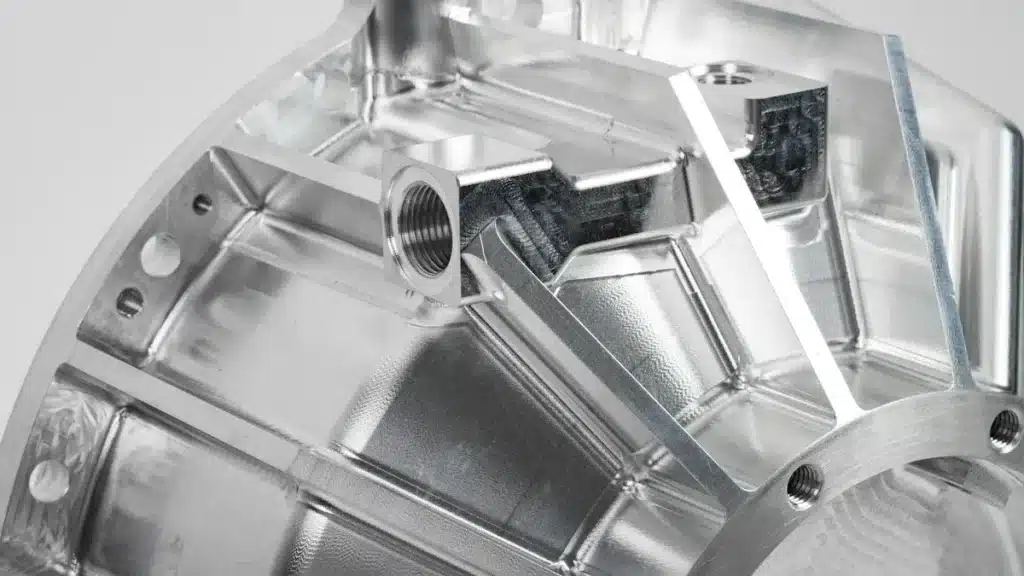
Diecast aluminium is different from other casting methods. It uses high-pressure to push molten aluminum into metal molds. This makes parts that are very accurate in size. The surfaces are smooth and the walls are thin. Factories can make detailed shapes very fast. The quick cooling makes the metal grains small. This helps the parts become stronger and last longer.
The table below shows how diecast and sand-cast aluminum alloys compare:
| Alloy Type | Composition | Key Properties |
|---|---|---|
| A380 | 8.5% Si, 3.5% Cu | Great fluidity and strength |
| A356 | 7% Si, 0.3% Mg | More bendable than strong |
Traditional High-Pressure Die Casting (HPDC) often traps micro-gases, resulting in internal porosity that expands under welding heat, causing blisters or weld failures. However, advanced manufacturing techniques can significantly mitigate this issue. For instance, MORELUX, a precision casting supplier in Malaysia, utilizes optimized high-vacuum die-casting and precise temperature controls to produce high-density aluminum parts with minimal internal gas entrapment, vastly improving their potential for post-weld processing and structural integrity in automotive and electronic applications.
Alloy Types and Weldability
It is vital to distinguish between cast aluminum and wrought aluminum series. For die-casting, we focus primarily on cast alloy designations:
- 3XX.X Series (Al-Si-Cu/Mg, e.g., A380, A356): The most common die-cast alloys. Silicon improves fluidity and reduces hot cracking, making them the most viable candidates for welding.
- 4XX.X Series (Al-Si): Excellent weldability and leak tightness due to high silicon content.
- 2XX.X & 7XX.X Series: Highly susceptible to hot cracking and generally considered non-weldable in commercial applications.
Before attempting any repair, verifying the exact material composition is crucial. Implementing rigorous spectroscopic material testing, a practice standard at MORELUX, ensures that the base metal composition matches the technical requirements for successful welding or secondary bonding.
Welding Cast Aluminum
Preparing for Welding
Surface preparation is the single most critical step when welding cast aluminum. Aluminum oxide melts at approximately 2,072°C, while the underlying aluminum melts at around 660°C. If the oxide layer is not removed, it will trap contaminants and cause weld failure.
- Chemical Degreasing: Clean the surface thoroughly using pure acetone or high-purity isopropyl alcohol (IPA) to remove all oils, grease, and lubricants. Never use water-based soaps or detergents, as they can leave residues that introduce hydrogen into the weld pool.
- Mechanical Cleaning: Use a dedicated stainless steel wire brush (used only for aluminum) or a clean carbide rotary burr to grind away the heavy oxide layer. Avoid abrasive wheels that can embed grit into the soft aluminum matrix.
The process of welding cast aluminum
Welding cast aluminum needs special steps. Preheating helps stop the metal from cracking. Workers heat the metal to 150–250°C before welding. This makes the weld stronger and safer. TIG welding is good for small fixes and thin parts. It lets you control the heat and see the weld clearly. MIG welding is better for thick parts and big repairs. It puts down more metal and gives better control. Cleaning before welding stops rust and makes the weld stronger. Good joint design, like grinding out cracks, lowers stress and stops cracks.
Welding Tips
If you do not weld cast aluminum right, holes can form. Aluminum soaks up oil and water fast. Workers clean the metal with acetone or isopropyl alcohol. They use stainless steel brushes and grinding to take off the oxide layer. Heating the parts before welding helps hydrogen leave and makes the weld better. Going slow when welding lets hydrogen escape from the weld pool. For MIG welding, using more wire and smaller wires helps control the weld. A gas mix with 60 helium and 40 argon cleans the weld better. TIG welders must keep the right speed. Going too slow can make the weld weak. Going too fast can make the metal too hot. Welding hot and fast with enough power makes a strong weld.
Note: Heating the weld after and using special treatments can make the joint stronger and last longer.
Welding Diecast Aluminium: Challenges & Fixes

Common Welding Issues
Factories face special problems when welding diecast aluminium. Porosity, impurities, and heat sensitivity are the main issues. Porosity means tiny air bubbles form inside the metal. These bubbles can make the weld weak and rough. Impurities like trapped gases or oils can cause mistakes in the weld. Diecast aluminium reacts fast to heat. If not careful, the metal can bend or crack.
- Weld spot porosity in diecast aluminium is between 0% and 1.11%.
- This is much lower than the AWS D8.2 M:2017 limit of 25%.
- Liquation cracking can happen at the fusion line. It does not always make the weld fail.
Factories must watch for these problems. They use good cleaning and preheating to stop defects. MORELUX uses strong quality checks to lower impurities and porosity in their parts.
Filler Rod Selection
Picking the right filler rod is important for a strong weld. The two most used filler rods are 4043 and 5356. Each rod has its own benefits. The table below shows how each rod changes the welded joint:
| Filler Rod | Strength | Ductility | Corrosion Resistance |
|---|---|---|---|
| 4043 | Lower | Moderate | Moderate |
| 5356 | Higher | Better | Higher |
Welders use 4043 for simple repairs because it flows easily and stops cracks. 5356 gives more strength and better corrosion resistance. It is good for parts that face tough conditions. Factories must match the filler rod to the alloy and the part’s job. MORELUX suggests testing both rods on samples before big welding jobs.
Alternatives to Welding
When dealing with low-grade or highly contaminated die-castings where welding causes severe blistering, structural alternatives should be considered:
- Epoxy & Industrial Bonding: Ideal for non-structural structural fixes or cosmetic sealing.
- Mechanical Fastening: Utilizing thread inserts (like Helicoils), rivets, or bolts avoids thermal distortion entirely.
- Component Replacement: For high-stress structural parts, a failed weld can compromise safety. In such cases, replacing the component is the most cost-effective and reliable route.
You can weld diecast aluminum if the alloy and casting are right. Alloys in the 3XX and 5XX series work best for this. Cleaning and getting the surface ready is very important. MORELUX gives good die-cast solutions. To get the best weld, follow these steps:
- Clean the metal with special cleaners and brushes.
- Take off the oxide layer with a die grinder.
- Pick smaller MIG wires and go slow when welding.
- Do not weave or use anti-spatter close to the weld.
FAQ
Can you weld diecast aluminium with a regular MIG welder?
Yes, but it requires specific modifications: you must install a spool gun or a Teflon liner to prevent the soft aluminum wire from bird-nesting, use pure Argon or an Argon/Helium mix, and ensure the base alloy belongs to a weldable 3XX series.
What is the best filler rod for diecast aluminium?
| Filler Rod | Use Case |
|---|---|
| 4043 | Good for most repairs |
| 5356 | Makes stronger welds |
How can you fix diecast aluminium if welding fails?
- Epoxy bonding
- Cold metal stitching
- Mechanical fastening
These ways help fix parts when welding does not work.