

Welding die-cast parts is feasible but presents unique challenges. Many companies utilize die-cast parts in the automotive and electronics sectors, benefiting from their high strength and precision manufacturing characteristics. Common die-casting alloys include aluminum, zinc, and magnesium alloys, each exhibiting distinct properties during the welding process. The table below lists the compositional details of several commonly used die-casting alloy series:
| Alloy Series | Composition Details |
|---|---|
| 300 Series | Contains aluminum, silicon, magnesium, and/or copper. Silicon typically ranges from 5% to 22%, copper from 0% to 4.5%, and magnesium from 0.3% to 1.0%. |
| 400 Series | Primarily aluminum-silicon alloys, with silicon content between 5% and 12%. While these alloys may not be exceptionally strong, they offer good ductility. |
| 500 Series | Composed mainly of aluminum and magnesium, these alloys are known for their strength and toughness, with a small amount of silicon added to enhance their properties. |
To successfully perform diecast welding, it is essential to understand the differences among these materials and the specific challenges associated with each alloy.
Key Takeaways
- While die-cast parts can be welded, the process is challenging; achieving good results requires an understanding of the specific alloy type.
- Different die-casting alloys behave differently during welding. Aluminum alloys are generally easier to weld than zinc alloys or “pot metal.”
- Proper surface preparation is essential before welding. Cleaning the parts beforehand helps prevent issues such as porosity and impurities.
- Alternatively, adhesives or screws can be used instead of welding; these methods are often more suitable for thin-walled or lower-strength components.
- For particularly difficult welding tasks involving die-cast parts, it is advisable to seek expert assistance. Professional expertise combined with the right techniques ensures a weld that is both strong and safe.
What is diecast metal?
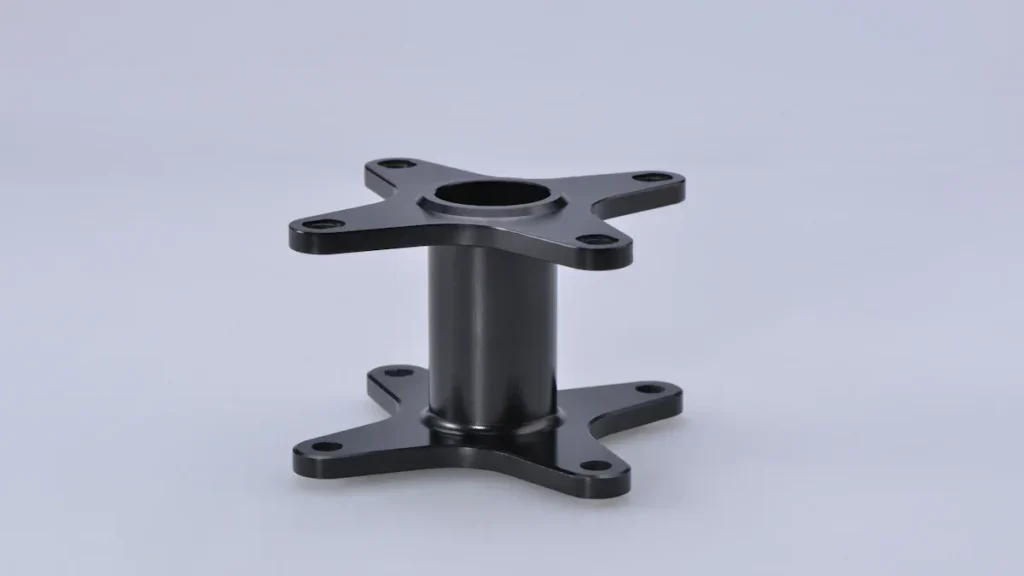
Die-cast metal parts are produced by injecting molten metal into a mold under high pressure. This process enables the creation of parts with complex shapes and smooth surfaces while ensuring consistent quality across every unit. Metal die castings are chosen for their strength and lightweight nature, as well as the ability to achieve intricate designs. Occasionally, die-cast welding processes are also required to repair or modify these specialized parts.
Common alloys used
Die casting uses metals that do not have iron. The main alloys are:
- Aluminum: It is light, does not rust easily, and is strong. It is used in cars and electronics.
- Zinc: It helps make small, detailed parts quickly. It is strong and can bend without breaking.
- Magnesium: It is even lighter than aluminum. It is used when parts must be both light and strong.
- Copper: It lasts a long time and carries electricity very well.
These alloys help companies like MORELUX in Malaysia make special diecast parts. These parts are used in cars, phones, and medical tools.
Diecast vs. other metals
Diecast metals are not the same as other metals that get welded. For example, diecast aluminum has grains that go in all directions. This means it acts the same no matter how you use it. Wrought aluminum is made by rolling or pressing. Its grains go in one direction. This makes it stronger one way but weaker the other way.
| Type of Metal | Manufacturing Process | Material Properties |
|---|---|---|
| Diecast Aluminum | Made by melting aluminum alloys and pushing them into a mold. | Grains go in all directions, so it acts the same every way. It handles stress in a different way. |
| Wrought Aluminum | Starts as a block or sheet, then rolled or pressed into shape. | Grains go one way, so it is strong in that direction but weaker across. |
Diecast parts are used in engines, electronics, and brackets. Companies like MORELUX use new machines and careful checks to make sure each part is good. Die casting lets them make custom parts, so they do not need to weld as much.
Can die castings be welded?
Die castings can be welded, though the process is often complex. The quality of the weld depends on the alloy composition and the specific welding technique employed. Personnel involved in the manufacturing or repair of die castings must understand the properties of the metals in question; this is particularly critical in the automotive and electronics manufacturing sectors. Achieving a high-quality weld requires an understanding of the alloy’s composition and how its various constituents affect the welding process.
Alloy Types and Weldability
Different types of die-casting alloys behave differently during welding. Alloys with higher silicon content are generally easier to weld, whereas zinc-based alloys and “pot metal” (a low-grade zinc alloy with a complex composition) are more difficult to weld. The table below compares the weldability of common die-casting alloys and lists the most suitable filler materials:
| Alloy Series | Typical Composition | Weldability | Preferred Filler |
|---|---|---|---|
| A356/A357 | Al-7Si-0.3Mg | Good | 4043, 5356 |
| 319.0 | Al-6Si-3.5Cu | Fair | 4043 |
| 413.0 | Al-12Si | Good | 4043, 4047 |
| 5052 | Al-2.5Mg | Fair | 5356 |
| 6061 | Al-1Mg-0.6Si | Good | 4043, 5356 |
Factors affecting welding success
The parts inside each alloy matter a lot in diecast welding. Silicon helps the metal fill the mold and makes casting easier, but it does not always help welding. Magnesium makes the alloy stronger, but too much magnesium can cause cracks and make welding harder. Zinc changes the grain in the weld, making it finer and sometimes stronger, but it can also mix with other parts and change the result.
| Element | Effect on Weldability |
|---|---|
| Silicon | Helps metal flow when casting, but does not always help welding. |
| Magnesium | Too much can cause cracks and make welding harder. |
| Zinc | Makes grains smaller, can make weld stronger, and affects how the weld bends. |
How these parts work together can make welding easier or harder. For example, too much magnesium can cause cracks. If there is a lot of zinc, the weld can break easily if not done right. Makers must pick the right filler and welding method for the alloy.
Tip: Always check what is in the alloy before you start welding diecast. This helps you avoid cracks or weak welds.
Diecast welding needs careful planning and knowing the material well. Factories and custom part makers often ask experts for help. They pick the best alloys and welding ways for each job. If done right, diecast welding can fix or join parts without losing strength or quality.
Diecast welding methods

Diecast welding uses different ways to fix or join metal parts. Factories pick the best method based on the alloy and what the part does. Skilled workers are important for making strong welds.
TIG and MIG welding
TIG welding and MIG welding are popular for diecast welding. TIG welding lets workers control the weld well. It works best for thin parts. The worker uses a tungsten electrode and a filler rod. TIG welding is good for aluminum and magnesium diecast parts. MIG welding uses a wire feed and is faster. Factories use MIG welding for big parts or when they need speed. Both methods need clean surfaces and careful heat. Too much heat can make the part crack or have holes.
Note: TIG welding takes more skill and time. MIG welding is easier for new workers but does not work for every alloy.
Brazing and soldering
Brazing and soldering are other ways to join diecast metals. Brazing uses a filler metal that melts at a lower heat than the main metal. This method is good for zinc and pot metal alloys. Soldering uses even less heat and is best for small fixes. New materials like Super Alloy 1 help workers join hard alloys without cracks. Factories pick brazing or soldering when welding is too risky.
| Method | Best For | Heat Level | Skill Needed | Common Use |
|---|---|---|---|---|
| TIG | Thin aluminum, magnesium | High | Advanced | Precision repairs |
| MIG | Large parts, quick jobs | Medium | Moderate | Factory production |
| Brazing | Zinc, pot metal | Low | Moderate | Custom repairs |
| Soldering | Small joints, electronics | Very Low | Basic | Electronics, detail |
Diecast welding needs careful planning and skilled workers. Factories use these methods to keep parts strong and safe.
Diecast welding challenges
Porosity and contamination
Porosity and contamination make diecast welding hard. Pores happen when gas or air gets trapped in the metal. Big pores are called macroporosity. They make the welded joint weak. Small pores are called microporosity. These do not change strength much, but can cause problems if the part is used a lot.
Macroporosity means pores bigger than 300 μm. These big pores make welded diecast joints weaker. Microporosity comes from shrinkage and trapped air. It does not change strength much, but can matter if the part moves a lot.
Contamination comes from oil, dirt, or mold release agents on the surface. These things stop the weld from sticking well. Factories and suppliers must clean parts before welding. Good cleaning removes these bad things and helps the weld stick better. Laser cleaning and texturing are good ways to clean. They remove silicone wax-based films and make the surface better for welding.
| Evidence Type | Description |
|---|---|
| Surface Preparation Importance | Cleaning the surface is very important. It helps stop contamination and makes welds better in diecast metals. |
| Methods | Laser cleaning and texturing work well to remove dirt and make the surface better. |
| Impact on Weld Integrity | Good surface treatment helps the weld stick and keeps joints strong. It stops welds from failing. |
| Performance Metrics | Tests show laser texturing can make bond strength 40-60% higher than regular polishing. |
| Contaminant Removal | Laser cleaning removes silicone wax-based mold release films. This is important for making welds stick. |
Cracking and thin sections
Cracking happens a lot in diecast welding. Thin parts heat up fast and cool down quickly. This quick change can make the metal crack. Zinc alloys and pot metals crack more easily. Cracks make the joint weak and can cause it to break.
Cleaning the surface helps stop cracks. Smooth, clean surfaces help the weld flow and stick better. Factories use special tools to get thin parts ready for welding. They use lower heat to keep parts from getting too hot. Skilled workers watch closely to stop cracks before they happen.
Manufacturers, suppliers, and custom part makers need to know these problems. Careful planning and using the right steps help keep diecast welding strong and safe.
Alternatives to welding diecast
Welding is not always the best way to join or fix diecast parts. Many factories and suppliers use other methods that are strong and easy to use. Two common choices are adhesives and epoxies, and also mechanical fastening.
Adhesives and epoxies
Adhesives and epoxies stick diecast parts together without heat. These work well for parts that are thin or cannot take high heat. Many companies use strong adhesives to join aluminum, zinc, or magnesium diecastings. Epoxies fill small spaces and do not break from shaking. This makes them good for cars and electronics. Workers can use these materials fast, which saves time and money.
Tip: Use adhesives or epoxies if you want the part to stay light or if welding could make cracks.
The table below shows different materials and why they are good for diecast assemblies:
| Alternative Material | Advantages for Diecast Assemblies |
|---|---|
| Aluminum Diecasting | Very exact, strong, lasts long, cheap, easy to shape, does not spark |
| Cast Iron | Cheap, exact, great for heat and electricity |
| Machined Brass | Cheap to make, fits well |
| Machined Steel | Cheap to make, does not rust, fits well |
| Pressed Steel Assemblies | Cheap to make, can change design, very exact |
| Magnesium Diecastings | Cheap to make, exact, stiff, strong |
| Plastic Injection Mouldings | Very stiff, exact, cheap for thick parts |
Mechanical fastening
Mechanical fastening uses screws, bolts, rivets, or clips to hold diecast parts together. This does not change the metal and lets you take parts apart easily. Many factories and custom makers like this method for things that may need fixing or changing. There are many types of fasteners, so companies can pick what works best.
Mechanical fastening is a good choice if you need to take parts apart later or want to save money. It also works well for big parts or when welding is hard. Suppliers and buyers like this way because it is flexible and works well.
Note: Mechanical fastening is a smart choice for many diecast assemblies, especially if you need to take things apart or save money.
Picking welding, adhesives, or mechanical fastening depends on what the part does, what it is made of, and what the company needs. Each way has its own good points for diecast assemblies.
Diecast welding can be done, but it is not easy. You need skill and a good plan. Factories sometimes weld certain alloys. But using glue or screws is often better for fixing parts. Experts give these tips:
- Get a welder who knows how to work with diecast aluminum.
- Make sure welding does not change the part’s shape or size.
- Do not weld parts that hold up heavy things.
- Use epoxy or glue to fix broken parts.
- Use screws or rivets to join or hold parts together.
Factories and people who make custom parts should ask experts like MORELUX for hard jobs. To learn more, look at the table below:
| Resource Title | Description |
|---|---|
| Repair Welding Methods And Experience Of Several Common Steel Casting Defects | This article talks about common problems in valve steel castings and explains ways to fix them. It shares tips and ideas about repair welding. |
FAQ
Can manufacturers weld all types of die-cast alloys?
No, not all die-cast alloys are easily welded. Aluminum alloys are best suited for welding, whereas zinc alloys and “pot metal” (a low-cost zinc-based alloy) can present challenges. Facilities must verify the specific alloy type before welding.
Why do suppliers choose adhesives over welding for die-cast parts?
Suppliers opt for adhesives when welding might damage thin-walled or complexly shaped components. Adhesives create strong bonds without the need for heat. This method is ideal for custom production and helps reduce costs.
What are the primary risks associated with welding die-cast parts?
Cracking and porosity are the main risks. These issues can compromise the strength of the joint. Facilities can mitigate these problems by employing skilled workers and ensuring surfaces are clean.
Do custom die-cast parts require specialized welding processes?
Yes, custom die-cast parts require specialized welding methods because each component may involve different alloys or geometries. Manufacturers rely on advanced equipment and skilled personnel to ensure strong, reliable joints.
When should a facility use mechanical fastening instead of welding?
Mechanical fastening is used when parts need to be disassembled later. This method is suitable for maintenance and the assembly of large components, while also avoiding heat damage to sensitive die-cast materials.