
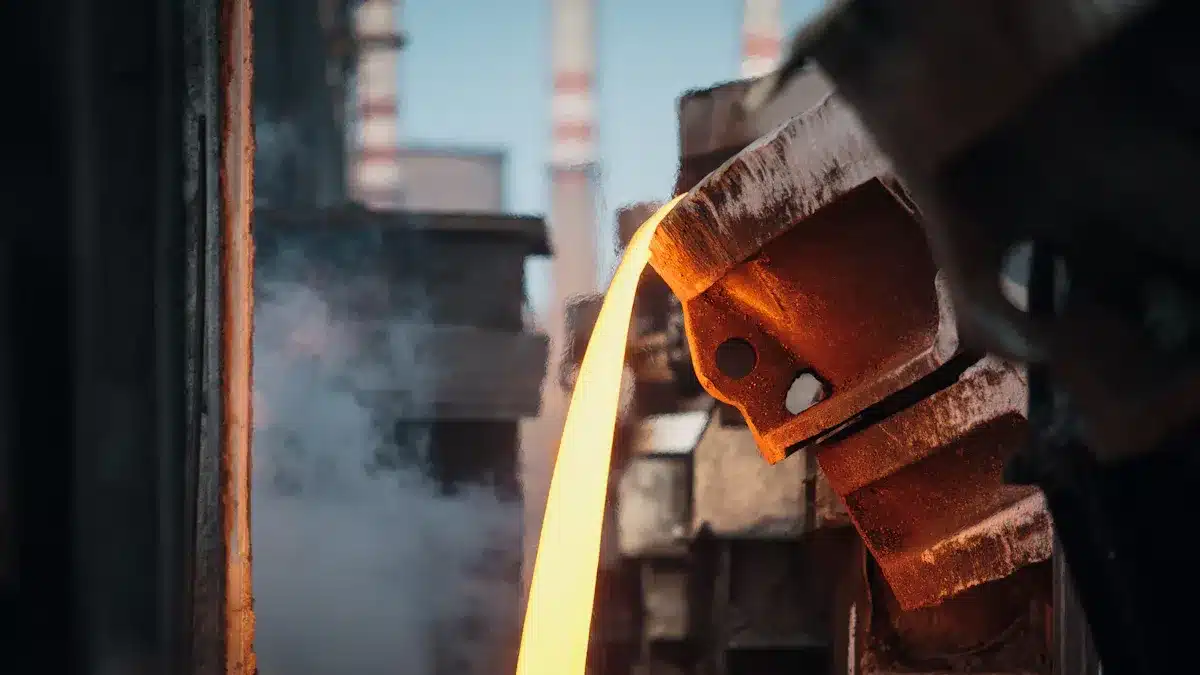
Zinc die casting involves several steps to create zinc alloy parts. First, workers prepare the mold. Next, they melt the zinc alloys. Then, they inject the hot metal into the mold. After that, the metal cools down. Finally, they trim the finished parts. This method produces small and detailed pieces, which are essential in applications such as telecom die-casting and die casting for medical devices. Zinc melts at a low temperature and maintains its shape well, allowing for the rapid and accurate production of numerous parts. The global zinc die casting market was valued at $4.21 billion in 2024 and continues to expand.
Key Takeaways
Zinc die casting has several steps. First, a mold is prepared. Then, zinc alloys are melted. The metal is injected into the mold. Next, it cools down. Finally, the finished parts are trimmed. Each step helps make strong and detailed parts.
This process works fast and saves money. It makes parts quickly, often in 15 to 30 seconds. It also uses less material and lowers tooling costs.
Zinc die casting gives very accurate shapes. It allows tight fits and complex designs. There is no need for a lot of extra machining.
Zinc alloy parts are strong and resist rust. They also have smooth surfaces. These parts are used in many industries, like cars, electronics, and medical devices.
Quality control is very important in zinc die casting. Workers check parts by looking at them and measuring them. This makes sure the parts meet strict rules.
Zinc Die Casting Overview
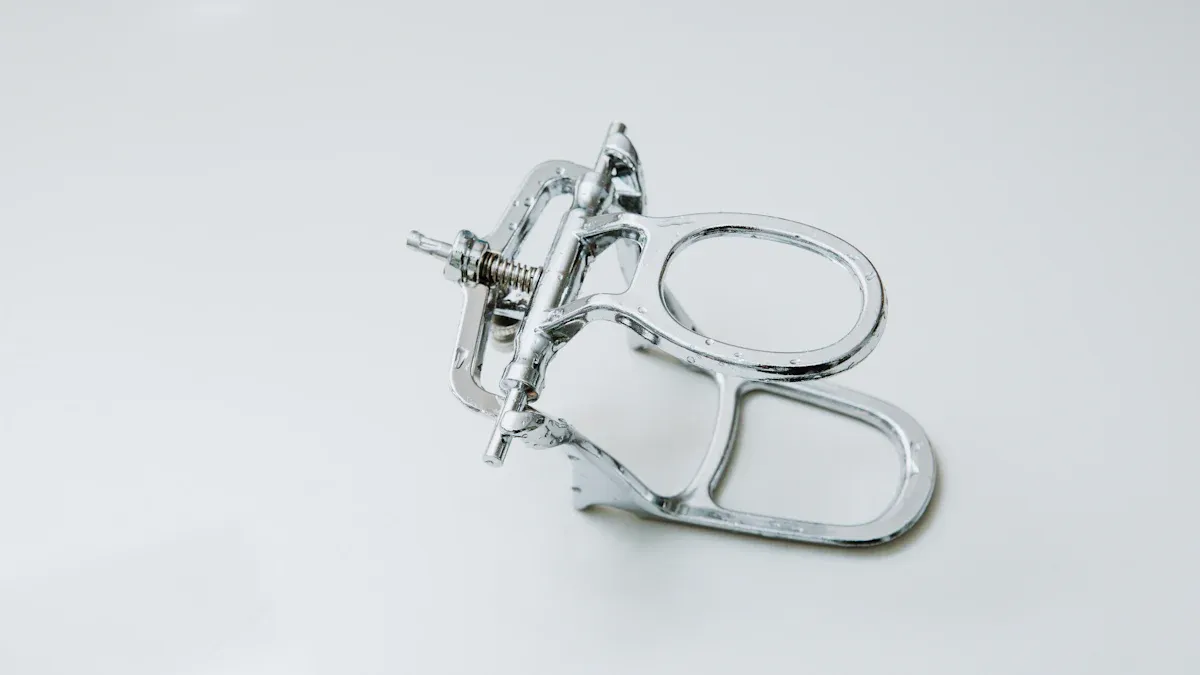
What Is Zinc Die Casting
Zinc die casting is a way to make metal parts. It uses high pressure to push melted zinc alloys for die casting into a mold. This process makes strong and detailed parts with good accuracy. Hot chamber die casting is the main method used for zinc die casting. In this method, the machine keeps the zinc alloys for die casting hot and liquid. The machine then quickly pushes the metal into the mold. This helps make parts fast and with exact shapes.
Many industries use zinc die casting for different reasons. Car makers use it for inside parts, engine pieces, power steering, and brakes. Hot chamber die casting also makes parts for air-conditioning, fuel systems, and electronics. This process helps create parts that are both detailed and tough.
Hot chamber die casting machines last longer because zinc melts at a lower temperature. This means the molds do not wear out as fast. It saves money on tools and makes work faster.
Benefits of Zinc Die Casting
Zinc die casting has many good points. It makes parts that are very exact and smooth. The process can make thin parts and tight fits, which is good for tricky designs. Hot chamber die casting fills the mold fast, so even small spaces get filled right.
Here is a table that shows why zinc die casting is special:
Benefit | Description |
|---|---|
Dimensional Accuracy | Makes parts that are very exact and look nice |
Tooling Longevity | Molds can be used over 1,000,000 times, so you save money |
Production Efficiency | Often, you do not need extra steps to finish the parts |
Mechanical Properties | Parts are strong, last long, and keep their shape |
Many fields use zinc alloy die casting. Car makers, electronics, medical tools, building hardware, and telecom all use hot chamber die casting for strong and low-cost parts.
Steps of the Zinc Die Casting Process
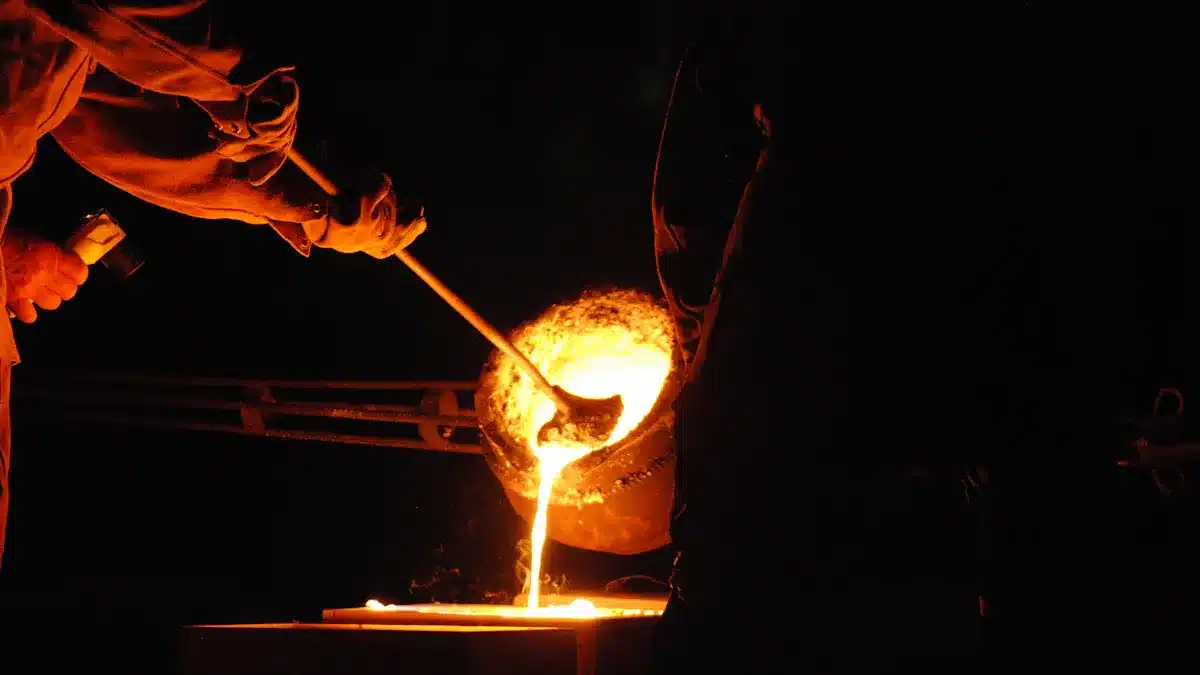
The zinc die casting process has many steps. These steps help make strong and detailed parts. Each step is important for good results.
Mold Preparation
Mold preparation is the first thing workers do. They follow steps to get the mold ready:
Workers make the mold with the right shape.
They clean the mold to take away dirt.
They put lubricant on the mold. This helps parts come out easily.
They clamp the mold with high pressure.
Good mold preparation helps make better parts. Clean molds stop problems like extra metal or grease. Workers must watch the mold’s temperature. They also check the cooling system. If the mold gets too hot, the part’s surface can get defects. Keeping the mold clean and at the right temperature gives good results.
Tip: Cleaning and taking care of molds often helps stop casting problems. It also makes the process work better.
Melting Zinc Alloys
The next step is melting zinc alloys. Workers pick the right alloy for the part. Some common alloys are Zamak 3, Zamak 5, Zamak 7, ZA-8, ZA-12, ZA-27, ACuZinc, and EZAC. Each alloy melts at a certain temperature.
Alloy | Melting Point Range (°C) | Melting Point Range (°F) |
|---|---|---|
Zamak 3 | 381 – 387 | 718 – 729 |
Zamak 5 | 380 – 386 | 716 – 727 |
Zamak 7 | 381 – 387 | 718 – 729 |
ZA-8 | 375 – 404 | 707 – 759 |
ZA-12 | 875 – 1050 | 1607 – 1922 |
ZA-27 | 875 – 1050 | 1607 – 1922 |
ACuZinc | 375 – 404 | 707 – 759 |
EZAC | 375 – 404 | 707 – 759 |
It is important to control the temperature when melting. Zinc alloys melt between 382 and 386℃. The best temperature for the machine is 415 to 430℃. For thin or tricky parts, workers use higher heat. For thick or simple parts, they use lower heat. The main furnace should stay between 430 and 450℃. If it gets too hot, the alloy can burn and make more waste. If it is too cool, the metal does not flow well. This can hurt the quality of the part.
Injection Process
The injection process is the main part of zinc die casting. The machine holds the mold tight. Hot zinc alloy goes into the mold fast and with high pressure. This fills every part of the mold.
The machine locks the mold and injects the metal fast.
The metal cools and gets hard inside the mold.
The mold opens, and the part gets pushed out.
Workers cut off extra metal to make the part the right size.
The pressure used is very important. If the pressure is too low, the mold does not fill all the way. If it is too high, extra metal can leak out and the mold can wear out faster. The right pressure makes the part strong and the right shape.
Defect Type | Cause of Defect |
|---|---|
Incomplete Filling | Low injection pressure |
Porosity | Changes in pressure |
Surface Imperfections | Bad control of injection pressure |
Note: Using the right pressure helps make parts with good detail and fewer mistakes.
Cooling and Solidification
After injection, the metal must cool and get hard. This happens very fast, sometimes in less than a second. Each part takes about 20 to 60 seconds to finish, depending on how hard it is to make and which alloy is used.
Aspect | Details |
|---|---|
Cooling Time | Metal gets hard in milliseconds to seconds |
Cycle Time | 20–60 seconds for each part |
Influence | Helps make strong and accurate parts |
Cooling the right way can lower holes inside the part by up to 30%. Even cooling helps stop shrinking problems by up to 20%. Workers may use risers to add more hot metal. This can lower mistakes by up to 35%. These steps help make sure the parts are strong and the right size.
Ejection and Trimming
When the part is cool, the mold opens. A machine pushes the part out. The force needed depends on the part’s size and how much it shrinks.
Ejection phase:
The mold opens after cooling.
Pins push the part out.
Spray helps stop sticking and bending.
Trimming phase:
The part comes out with extra metal.
Workers use tools or saws to cut off extra metal.
Presses can also cut off unwanted parts.
Trimming is needed to take away extra metal and make the part smooth. This step helps the part have the right size and look good. Putting pins in the right place and careful trimming help keep the part the right shape.
Factor | Impact on Dimensional Accuracy |
|---|---|
Ejection Process | Can change the size because of the force used |
Trimming Process | Changes the final size and smoothness |
Die Opening | Can bend the part, especially if it sticks out |
Ejector Pins | Help stop bending when removing the part |
Die Spray Application | Lowers sticking and bending when pushing out |
Process Parameters | Speed and spray affect how the part comes out |
Tip: Careful ejection and trimming help parts meet size rules and look smooth.
All these steps work together to make good, detailed, and strong parts. Doing each step well helps make the process fast and the results great.
Advantages of the Die Casting Process
Precision and Complexity
Zinc die casting is great for making parts that need to be exact and have tricky shapes. Molten zinc alloys flow into detailed molds very easily. This helps factories make parts with tight fits and special designs. Many small parts can be made again and again with almost no difference, less than ±0.001 inches. This is almost as good as what you get from machining.
Zinc alloys can fill tiny spaces in molds very well.
Most of the time, you do not need extra machining.
Zinc does not shrink much when it cools, so parts stay the right size.
Feature Size Range | Typical Tolerance (Cast) |
|---|---|
0 – 25 mm | ±0.05 mm |
25 – 50 mm | ±0.08 mm |
50 – 150 mm | ±0.13 mm |
>150 mm | ±0.2 mm |
Speed and Cost Savings
Zinc die casting is much faster than other ways to shape metal. The process uses quick injection and short times for each part. Usually, it takes only 15 to 30 seconds to make one part. This lets factories make lots of parts quickly.
Process | Injection Speed | Cycle Time |
|---|---|---|
Zinc Die Casting | Faster due to better fluidity | 15-30 seconds |
Aluminum Die Casting | Slower due to higher viscosity | 30-90 seconds |
Zinc die casting also helps companies save money. Each part costs 30–60% less than with other methods. The tools last longer, so they do not need to be replaced as often. One zinc cast part can sometimes take the place of several stamped parts, which means less time spent putting things together.
Tools last longer, so tooling costs go down.
Thinner walls and closer fits mean less wasted material.
Making parts faster means less work and finishing costs.
Material Strength and Finish
Parts made with zinc die casting are strong and last a long time. Zinc alloys are up to 2.5 times stronger than aluminum die castings. These parts do not rust easily and can take hard hits without breaking. The process makes parts with smooth surfaces, so they are easy to polish, paint, or cover with metal.
Property | Zinc Die Casting | Aluminum Die Casting |
|---|---|---|
Strength | 2.5x stronger | Lower |
Corrosion Resistance | High | Moderate |
Impact Strength | Superior | Lower |
Surface Finish | Excellent | Good |
Zinc alloys give a nice finish with very few problems. This makes the parts look good and last longer. The smooth surface also means less work is needed after the part is made.
Zinc die casting is a top choice because it makes exact, strong, and good-looking parts quickly and for less money. Many industries use it for these reasons.
Quality Control and Post-Processing
Key Quality Control Points
Quality control is very important in zinc die casting. Designers pay attention to the parting line and how the liquid metal moves. This helps stop problems when trimming parts. Thin walls make parts stronger and use less material. Keeping the same thickness in each section helps avoid mistakes, but sometimes experts make exceptions. Lowering the ratio of inscribed sphere diameters helps stop holes inside the part. Draft angles help parts come out of the die easily, but they can cost more. Where the ingate is and how long it is can change how smooth the part is and if there are holes. If the die gets too hot, the surface can get damaged, so heat must be controlled. Strong mold features help save money and time. Ejector pins need to be in the right place so parts come out smoothly.
Inspectors use different ways to check if parts are good:
Inspection Method | Description |
|---|---|
Visual Inspection | Looks for scratches, cracks, and rough spots with magnifying tools. |
Dimensional Measurement | Checks size and shape with calipers and CMM to make sure they are correct. |
Non-Destructive Testing (NDT) | Uses X-rays and sound waves to look inside parts without breaking them. |
Destructive Testing | Pushes or pulls on samples until they break to test strength. |
Secondary Operations
Zinc die castings usually do not need many extra steps because they are already close to the right shape. CNC machining makes parts very exact and adds small details. Milling, drilling, and tapping help make features better. E-coating, anodizing, painting, sanding, shot blasting, powder coating, and chrome plating make parts look nicer and last longer. Zinc alloys are easy to work with these methods because they are good for machining. Many zinc alloy parts are ready to use without more work. This saves money on machining and makes parts faster, speeding up production by over 30%.
Surface Finishing and Aesthetics
Surface finishing makes zinc die cast parts look better and work better. Powder coating gives a strong, safe layer that does not use chemicals and comes in many colors. Painting makes the surface smooth and nice to see. Electroplating makes the part harder and helps it last longer for both looks and use. Sandblasting makes the surface dull and gets it ready for other finishes. Tumbling smooths and removes sharp edges from small and medium parts. Passivation helps stop rust, but it is not used much for zinc. Zinc alloys are a good base for finishes, making them last longer and look better. The right finish helps parts last longer, keeps them strong, and makes them worth more. Different finishes and colors let each part look special and nice.
Zinc die casting follows simple steps. First, workers get the mold ready. Next, they melt the alloys. Then, they inject the hot metal. After that, the metal cools down. Last, they trim the part. This process makes strong and exact parts for many uses. The table below explains why zinc die casting is a good choice.
Aspect | Details |
|---|---|
Accuracy | Makes very exact parts right from the mold. |
Dimensional Stability | Keeps size steady for small and tricky parts. |
Tolerances | Is as good as CNC machining, so extra steps are not needed. |
Production Efficiency | Works well for making few or many parts. |
Surface Quality | Gives smooth surfaces that are easy to finish. |
Mechanical Properties | Parts are strong, resist rust, and last a long time. |
MORELUX is a trusted company. They make hard and detailed parts fast. Their team uses new machines and has lots of skill. Customers get strong, light, and steady parts with nice finishes.