

Zinc alloys have special features that help in making things today. These features are strength, durability, corrosion resistance, conductivity, dimensional stability, recyclability, and easy manufacturing. The world market for zinc alloys was USD 9.8 billion in 2024. It is growing every year. The table below shows how zinc alloys are different from other metals. These properties matter for zinc die cast, telecom die casting, and automotive die casting:
Property | Zinc Alloys | Aluminum Alloys | Magnesium Alloys |
|---|---|---|---|
Precision | Superior | Good | Good |
Corrosion Resistance | Better | Moderate | Moderate |
MORELUX uses advanced HPDC technology. This helps make products fast and with high quality.
Key Takeaways
Zinc alloys are tough and last a long time. They work well for cars and electronics.
Zinc die casting does not rust easily. It has a natural layer that protects it. This helps parts last longer in rough places.
Zinc die casting is very exact. It makes parts that fit well. This means less extra work is needed. It also saves time and money.
Zinc alloys can be recycled. This is good for the environment. It also lowers the cost to make things.
Zinc die cast parts are smooth. They look nice and are easy to paint or cover with metal.
Mechanical Properties of Zinc Die Cast
Strength and Durability
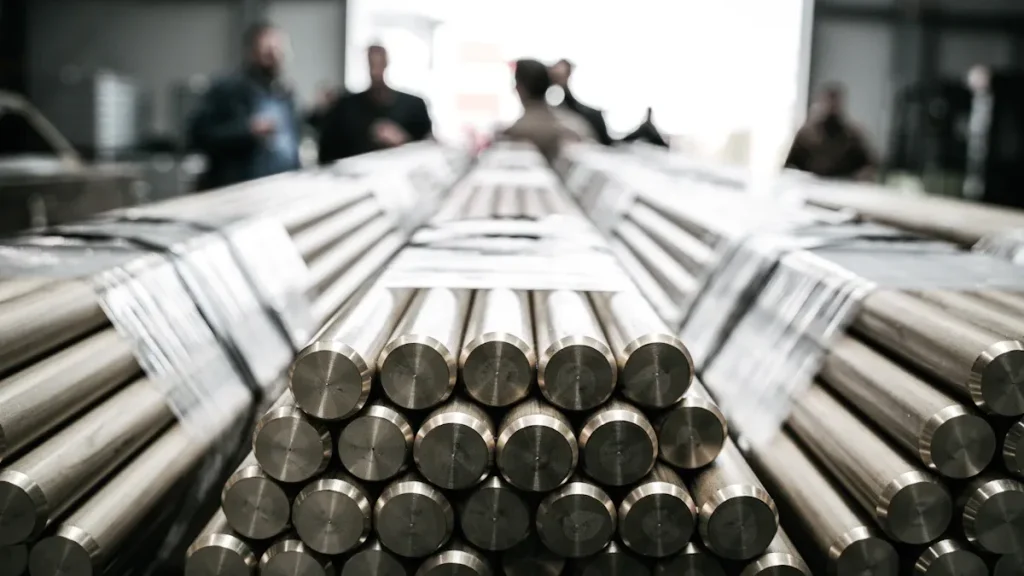
Zinc die cast alloys are strong and tough. They do not bend or break easily. These alloys work well for parts that carry heavy loads. They also last through many uses. At MORELUX, the HPDC process pushes hot zinc into steel molds. This happens with high pressure. It helps make parts with fine details. The parts have the same strength every time.
The table below shows how strong zinc die cast alloys are:
Property | Value (ksi) |
|---|---|
Ultimate Tensile Strength | 52 |
Ultimate Tensile Strength | 40 |
Ultimate Tensile Strength | 48 |
Ultimate Tensile Strength | 41 |
Ultimate Tensile Strength | 54 |
Ultimate Tensile Strength | 58.5 |
Ultimate Tensile Strength | 61 |
Yield Strength | 41 |
Yield Strength | 32 |
Yield Strength | 39 |
Yield Strength | 32 |
Yield Strength | 42 |
Yield Strength | 46 |
Yield Strength | 53 |
Zinc die castings are heavier and stronger than aluminum. Zinc has a density of 5g/cm³. Aluminum has a density of 2.7g/cm³. Zinc’s higher density makes it better at handling impacts. Zinc die cast parts last longer in tough places. They also resist rust very well.
Note: The HPDC process at MORELUX keeps zinc die cast parts strong even after millions of times making them.
Impact Resistance
Zinc die casting makes parts that can take hits. These parts do not crack easily. This is good for car and electronic cases. Zinc alloys work well when things get rough.
The table below shows impact strength for zinc die cast alloys:
Mechanical Properties | Metric Value |
|---|---|
Impact Strength | 46 J (56 J aged) |
Here is a table comparing Zamak 3 and Zamak 5:
Property | Zamak 3 | Zamak 5 |
|---|---|---|
Impact Strength (J) | Higher than Zamak 5 | Lower than Zamak 3 |
Zinc die cast parts are used for door handles and brackets. They are also used for seatbelt parts in cars. These parts need to handle sudden forces. Zinc die casting gives them the strength they need.
Zinc die cast parts are stronger than aluminum and magnesium.
Zinc resists rust better, so it works in tough places.
Zinc die casting tools last much longer than aluminum tools.
Dimensional Stability
Dimensional stability means zinc die cast parts keep their shape. Zinc die casting makes parts with tight measurements. These are usually within ±0.001” to ±0.002”. Aluminum die casting is less precise, at ±0.003” to ±0.004”.
Process | Dimensional Tolerance |
|---|---|
Zinc Die Casting | ±0.001” to ±0.002” |
Aluminum Die Casting | ±0.003” to ±0.004” |
Zinc die castings can be made with very little change, less than ±0.001”. The process lets makers skip extra cutting. Cooling speed during HPDC is important for keeping parts stable. Faster cooling helps control the inside structure of zinc. This makes parts more exact.
Evidence | Explanation |
|---|---|
The cooling rate (K/s) determines the fragmentation of the dendrites of the α (Al) phase, the type of eutectic (lamellar or fibrous), and the morphology of other phases, including iron ones (sludge). | This means cooling speed changes the inside look of the alloy. This is important for keeping parts the right size. |
The cooling rate reflects the heat transfer conditions of solidification and can be related to the parameters of the castings’ microstructure. | This shows cooling speed matters for how the part hardens. It affects the final size of the cast part. |
The rate of heat dissipation has a direct impact on the number of nuclei of the primary and eutectic phases and on the solidification kinetics. | This tells us cooling speed changes how the part forms. It helps make sure the part is the right size. |
What is in the alloy also changes how strong it is. Zinc 3 is used most because it costs less. Zinc 5 is stronger and resists bending, but it is less stretchy. Zinc 7 is more stretchy and flows better, so it can make thinner parts faster. Adding copper to Zamak 5 makes it stronger and more stretchy.
Tip: Picking the right zinc alloy and controlling cooling speed during HPDC helps makers get the best strength and size for their parts.
Corrosion Resistance in Zinc Alloy Die Casting

Natural Protective Layer
Zinc alloy die casting does not rust easily. When zinc touches air or water, it makes a thin shield. This shield is called a patina. The patina is mostly zinc carbonate. It stops water and dirt from reaching the metal. Over time, the shield gets stronger. This helps zinc alloy die casting last longer.
Scientists learned how this shield forms. Hydrotalcite can grow on zinc’s surface. It makes a film that protects the metal more. The table below shows how this works:
Findings | Description |
|---|---|
Corrosion Protection | Hydrotalcite in coatings makes a strong shield. |
Formation Mechanism | Hydrotalcite grows on zinc and blocks damage. |
Chemical Species | Zinc and aluminum ions help build the shield in different pH levels. |
Oxide forms in a special way. Zinc and oxygen mix and react. This builds the shield fast and keeps the metal safe.
Performance in Harsh Environments
Zinc alloy die casting works well outside and in tough places. The patina and oxide shield stop rust and damage. Zinc also protects other metals by corroding first. This is called cathodic protection. It adds more safety.
Salt spray tests check how zinc alloy die casting holds up. Results show:
Pitting corrosion happens only in weak spots.
Blistering means the shield needs to be better.
Surface rust stays low, showing strong protection.
Many industries use zinc alloy die casting for its protection. The table below shows where this matters most:
Industry | Applications |
|---|---|
Automotive | Fuel system parts, door handles, brackets, valve covers |
Electrical and Electronics | Connectors, housings, electronic parts |
Building Construction | Decorative fittings, window hardware, doors, plumbing fixtures |
Medical Equipment | Implants, surgical tools, dental and prosthetic devices |
Aerospace | Interior and exterior brackets, airplane parts |
Zinc alloy die casting keeps its shield for many years. This makes it great for parts that face rain, salt, or chemicals. Strong protection means products last longer and need less fixing.
Conductivity and Surface Properties
Electrical and Thermal Conductivity
Zinc alloys help make products work well. They are used in electronic connectors and heat sinks. Zinc moves heat away from important parts. This keeps devices safe and working. Zinc has a thermal conductivity of 116 W/m·K. This helps die-cast heat exchangers in cars. These parts control the temperature of engine systems.
Zinc alloys also have a thermal conductivity of 110 W/m-K. This is higher than stainless steel. Zinc moves heat faster than steel. Zinc alloys have electrical conductivity of 28% IACS. This is less than copper. But it is enough for many electronics. Zinc alloys do not attract magnets. They are good for equipment that must avoid magnetic fields.
Zinc alloys work well in heat sinks and connectors.
Zinc resists rust, so electrical parts stay safe.
Zinc alloys are non-magnetic and do not disturb electronics.
Many industries pick zinc for its good conductivity and rust resistance. Zinc is a top choice for cars and electronics.
Surface Finish and Plating
Zinc die casting makes parts with smooth surfaces. These parts have fine details. Smooth surfaces help products look better and work better. The process gives low surface roughness. This is good for painting and plating. The table below shows roughness values for different finishes:
Surface Finish Process | Achievable Roughness (Ra) |
|---|---|
As-cast (high-precision mold) | 1.6–3.2 µm |
Fine tumbling or vibratory | 1.0–1.6 µm |
Manual polishing | 0.4–0.8 µm |
Pre-plating bright buffing | ≤ 0.2 µm |
Smooth surfaces help coatings stick better. They also make products look nicer. Zinc die cast parts are easier to plate than aluminum. Zinc melts at a lower temperature. This allows hot chamber die casting. It makes production faster and tools last longer. Zinc is cheaper for making many parts.
Zinc is easy to plate and paint. This helps car and electronics industries. These industries need strong parts that look good. Zinc die casting gives smooth surfaces and strong coatings.
Note: Getting the surface ready is important for zinc. This stops problems like holes and weak coatings. When done well, zinc die cast parts work great and last a long time.
Manufacturing Advantages of Zinc Die Casting
Precision and Efficiency
High-pressure zinc alloy die casting helps factories make exact parts. Each part matches the design very closely. The process can make shapes that are hard to create with other ways. Factories can make thousands of parts fast. The molds fill quickly and cool in seconds. This speed helps companies finish big orders on time.
The table below shows how exact zinc alloy die casting can be for different sizes:
Dimension (mm) | Tolerance (mm) |
|---|---|
0 – 25 | 0.10 |
26 – 32 | 0.12 |
33 – 40 | 0.14 |
41 – 50 | 0.16 |
51 – 63 | 0.18 |
64 – 80 | 0.20 |
81 – 100 | 0.24 |
101 – 120 | 0.28 |
121 – 160 | 0.36 |
161 – 200 | 0.44 |
200 – 250 | 0.54 |
251 – 320 | 0.68 |
321 – 400 | 0.84 |
401 – 500 | 1.04 |
501 – 630 | 1.30 |
631 – 800 | 1.64 |
801 – 1000 | 2.04 |
1001 – 1200 | 2.44 |
1201 – 1600 | 3.24 |
1601 – 2000 | 4.04 |
MORELUX uses advanced machines for die casting. Their team makes small and large parts with high strength. Most zinc die cast parts do not need extra cutting. This saves time and money for factories. Many industries use zinc alloys for car parts, electronics, and building hardware.
Recyclability and Cost-Effectiveness
Zinc alloys are easy to recycle. Factories can melt and reuse up to half of leftover scrap. This makes the process better for the environment. Recycling zinc uses less energy and water than making new metal. Companies also save money because recycled zinc comes from nearby places.
Metal | Recycling Rate |
|---|---|
Aluminum | Nearly 75% |
Zinc | Up to 50% (in production scrap) |
Zinc alloys help protect nature. They lower the need for mining and cut down pollution. Recycling zinc die castings is well-developed, so there is little waste. Life Cycle Assessment shows zinc die casting is better for the environment than other ways.
Manufacturers pick zinc to save money. Zinc die casting costs less than aluminum casting for many parts. The table below compares costs:
Casting Type | Material Cost Comparison | Production Cost Comparison |
|---|---|---|
Zinc Die Casting | More affordable than aluminum | More cost-effective due to shorter cycle times, lower melting points, and fewer post-processing requirements. |
Aluminum Die Casting | More expensive than zinc | Higher production costs due to longer cycle times and additional post-processing needs. |
Zinc alloys use less energy and are not toxic. They help companies make strong, exact parts while saving money and helping the planet.
Tip: Picking high-pressure zinc alloy die casting helps both businesses and the environment.
Zinc alloy die casting helps factories in many ways. The table below shows the main benefits:
Advantage | Description |
|---|---|
Production Efficiency | Fast cycles make lots of parts quickly. |
Corrosion Resistance | A shield forms, so it works well outside. |
Superior Surface Finish | Smooth parts look nice and work better. |
Cost-effectiveness | Cheap materials and quick making save money. |
These features make zinc alloys great for cars, electronics, and medical tools. MORELUX gives strong zinc die casting for any business need.