
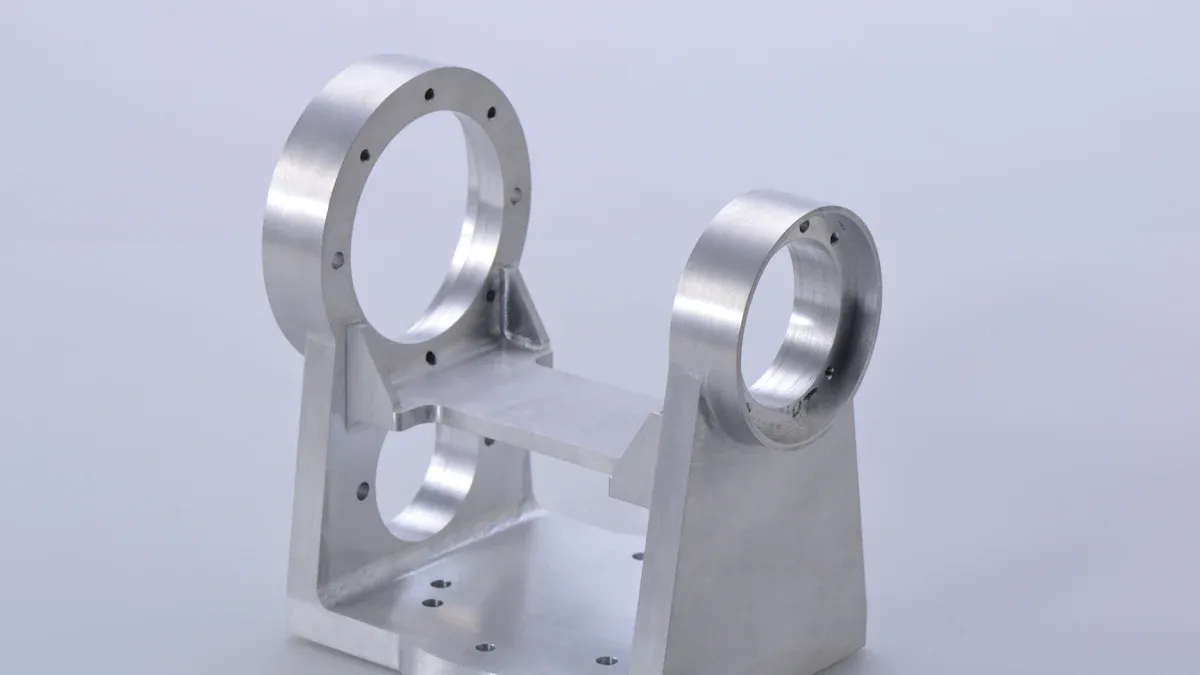
Zinc die casting is highly valued in the industry because it offers numerous advantages to manufacturers. The process is cost-effective, efficient, and energy-saving due to zinc’s low melting point. Zinc’s excellent fluidity allows for the creation of highly detailed components, making it ideal for applications such as electronics die-casting. Zinc die cast parts are corrosion-resistant and built to last. At MORELUX, we utilize zinc die casting to produce strong, precise components for every project. While aluminum die casting Malaysia is also popular, many manufacturers choose zinc die casting for its reduced waste and lower maintenance costs.
Key Takeaways
Zinc die casting saves money and energy. Its low melting point helps lower costs and is better for the environment.
Zinc alloys are strong and last a long time. They work well in cars and electronics where parts need to be tough.
Zinc flows easily when melted. This helps make parts with exact shapes and fine details.
Zinc die cast parts look smooth. They do not need much extra work after being made. This makes them look better and last longer.
Using zinc in die casting can save money on fixing and keeping parts working. Zinc does not rust easily and lasts a long time.
Zinc Alloys Advantages
Strength & Durability
Zinc alloys are strong and last a long time. They can handle heavy loads and lots of use. The table below shows how zinc alloys compare to other metals:
Property | Zinc Alloys | Aluminum Alloys | Magnesium Alloys |
|---|---|---|---|
Tensile Strength | Highest among non-ferrous alloys | Lower than zinc alloys | Lower than zinc alloys |
Yield Strength | 2.5X higher than aluminum | Standard values | Standard values |
Elastic Modulus | Greater than aluminum and magnesium | Lower than zinc alloys | Lower than zinc alloys |
Hardness | 95 to 125 Brinell | 70 to 85 Brinell | N/A |
Fatigue Strength | Better than plastics | Comparable to zinc alloys | N/A |
Creep Strength | Lower than aluminum and magnesium | Higher than zinc alloys | N/A |
Zinc alloys also resist impacts well and can stretch without breaking. The next table shows how zinc, aluminum, and magnesium compare:
Property | Zinc | Aluminum | Magnesium |
|---|---|---|---|
Tensile Strength | 280-330 MPa | 290-330 MPa | 220-280 MPa |
Yield Strength | 210-280 MPa | 160-240 MPa | 160-190 MPa |
Elongation | 10-15% | 3-5% | 3-15% |
Impact Resistance | Excellent | Good | Fair |
These benefits help MORELUX make zinc die cast parts that last longer and work better. Zinc also stops rust and wear because it resists corrosion.
Precision & Fluidity
Zinc alloys help make parts with exact shapes. Zinc flows into molds easily. This lets makers create thin and complex parts. Zinc die casting can make walls as thin as 0.25 mm.
Zinc alloys are best for small parts with thin walls.
Zinc keeps tighter tolerances than aluminum and magnesium.
Zinc die cast parts have better tolerances because zinc flows well.
Zinc can make tricky shapes and still be precise.
The table below shows how close the measurements can be:
Material | Dimensional Tolerance |
|---|---|
Zinc | ±0.001–0.002 |
Aluminum | ±0.003–0.004 |
Magnesium | Not explicitly mentioned |
MORELUX uses these zinc alloy benefits to make accurate and detailed parts. Zinc’s corrosion resistance helps keep parts precise for a long time.
Cost & Efficiency
Zinc alloys help save money and energy. Zinc melts at a lower temperature. This means less energy is needed to cast parts. It also lowers greenhouse gases and helps the environment. Zinc die casting uses less energy than other metals, so it saves money.
Zinc’s lower melting point means less wear on tools, so maintenance costs are lower than aluminum die casting.
Zinc die casting can make finished shapes with little extra work, which saves more money.
Zinc die casting uses less energy than aluminum die casting.
The table below shows the cost for each metal:
Material | Average Cost per Unit | Unit Price (per kg) |
|---|---|---|
Aluminum | $0.2 to $5 | $4.00 |
Magnesium | More expensive | $6.20 |
Zinc | Less expensive | $3.20 |
MORELUX uses these zinc alloy benefits to give customers good prices and quality. Zinc’s corrosion resistance also means less money spent on repairs.
Surface Finish
Zinc alloys make parts with a smooth surface. Zinc die cast parts look better than aluminum parts, which can have flaws. The table below shows the finish and extra work needed:
Material | Surface Finish Quality | Post-Processing Requirements |
|---|---|---|
Zinc | Superior, smoother | Reduced need for extensive secondary finishing |
Aluminum | Often exhibits defects | Requires polishing, coating, or anodizing for quality |
Zinc’s corrosion resistance keeps the finish looking good. MORELUX offers different finishes like polishing, electroplating, and powder coating. These zinc alloy benefits make parts look nice and work well.
Tip: Zinc alloys give strength, accuracy, savings, and a great finish. These benefits make zinc die casting a top choice for many industries.
Zinc vs. Other Die Casting Materials
Zinc vs. Aluminum
Zinc and aluminum are both used in die casting. Zinc melts at a lower temperature. This means it needs less energy to make parts. It also helps make parts faster and keeps tools from wearing out quickly. Aluminum is lighter than zinc. But zinc is stronger and tougher. The table below shows how they are different:
Property | Zinc Alloy | Aluminum Alloy |
|---|---|---|
Density | 6.6 to 7.0 g/cm³ | 2.7 g/cm³ |
Melting Point | ~420°C (788°F) | ~660°C (1220°F) |
Strength | High strength and toughness | Good strength |
Hardness | Generally harder | Softer, but can be alloyed |
Applications | Durable parts | Mobility-focused applications |
Zinc die casting uses the hot chamber process. This process can make up to 4000 parts each hour. Aluminum uses the cold chamber process. It can make up to 1000 parts per hour. Zinc’s lower melting point and quick cycles help make lots of parts fast.
Zinc vs. Magnesium
Both zinc and magnesium make light parts. Zinc is better for making tricky shapes with exact details. Magnesium is lighter than zinc. But zinc alloys last longer and are stronger. Zinc also wears down tools less. This helps tools last longer. Makers use zinc when they need strong, detailed parts.
Zinc vs. Steel & Cast Iron
Steel and cast iron are very strong metals. But they are not used much for small or complex die cast parts. Zinc can make thin and detailed shapes that steel and cast iron cannot. Zinc alloys also fight rust better. This helps parts last longer in tough places. Zinc flows well, so it helps make creative shapes and speeds up production.
Zinc vs. Brass
Brass is heavier and costs more than zinc. For small and detailed parts, zinc saves money. Zinc die casting can cost 30–60% less per part than brass. Zinc alloys also help make parts faster and with less waste. Makers choose zinc to save money and still get good parts.
Note: Zinc’s special features—like flowing easily, casting well, and making thin, detailed parts—make it a favorite for many industries.
Zinc Die Casting Applications
Automotive
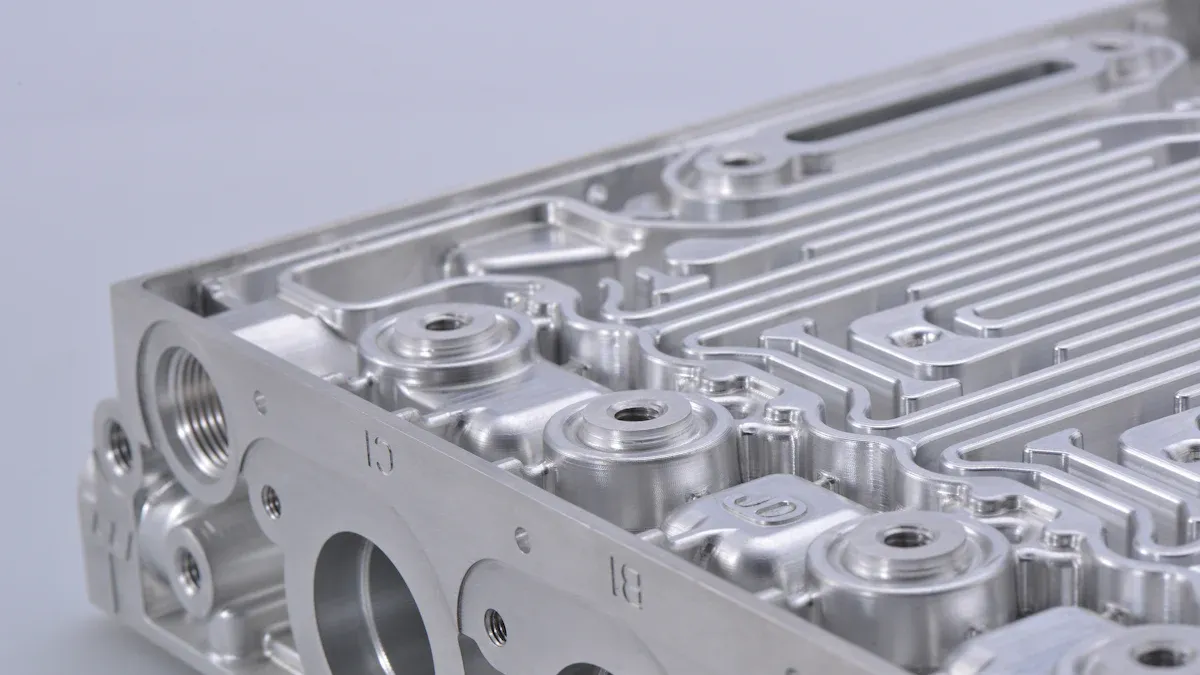
The automotive industry uses zinc for many important parts. Zinc alloys are strong and last a long time. This is needed for safety and good performance. Makers use zinc die casting for seatbelt anchors and wipers. They also use it for chassis and brake parts. Engine bay parts are made with zinc too. These parts must handle stress and heat. Zinc helps make brackets for dashboards and steering. Door locks and latches need to be tough and exact. Zinc alloys are good for this. Electronic sensor cases keep dust and water out. The automotive industry likes zinc because it does not rust and stays stable.
Common automotive zinc die cast parts:
Seatbelt anchors
Windscreen wipers
Chassis components
Brake parts
Engine bay components
Structural brackets
Door locks and latches
Electronic sensor cases
Electronics
Zinc alloys are important in electronics. Zinc die casting makes complex shapes with tight fits. This helps make small modern devices. Zinc alloys block electromagnetic interference. This keeps circuits safe. Makers use zinc for device housings and connectors. They also use it for inside hardware. These parts must be strong and exact. This helps products last longer. Zinc alloys help make good cases for many electronics.
Zinc die castings in electronics:
Device housings
Connectors
Internal hardware
EMI shielding components
Medical Devices
Medical device makers pick zinc alloys for their accuracy and strength. Zinc die casting makes detailed shapes with thin walls. This is important for medical tools. Zinc alloys are stronger than some plastics. This makes devices last longer. Zinc is safe and easy to clean. Rules from the FDA, EU MDR, and ISO keep devices safe and clean.
Regulatory Agency | Role in Medical Device Regulation |
|---|---|
FDA | Checks and controls medical devices in the U.S. with strict tests. |
EU MDR | Sets rules for medical devices in Europe for safety. |
ISO | Makes world standards for quality and safety in devices. |
National Agencies | Each country has its own group for local rules. |
IMDRF | Helps national agencies work together worldwide. |
Zinc alloys save money and are better for the environment when making lots of medical devices.
Industrial & Consumer Products
Zinc die casting helps many industries besides cars and electronics. It makes door handles, locks, hinges, and trim for cars. It also makes under-hood parts. For consumers, it makes device housings, tool bodies, toys, and furniture hardware. Medical and dental tools use zinc alloys for strength and detail. Hardware, lighting, plumbing, and defense items also use zinc for durability.
Special finishes like chrome and nickel plating make zinc parts better. Chrome plating makes parts shiny and stops rust. Nickel plating makes them stronger and look nice. These finishes help products last longer and look good.
Zinc alloys are useful, strong, and exact for many uses. MORELUX uses new technology and finishes to meet many needs.
The Zinc Die Casting Process and Design Considerations
The Casting Process Deep Dive
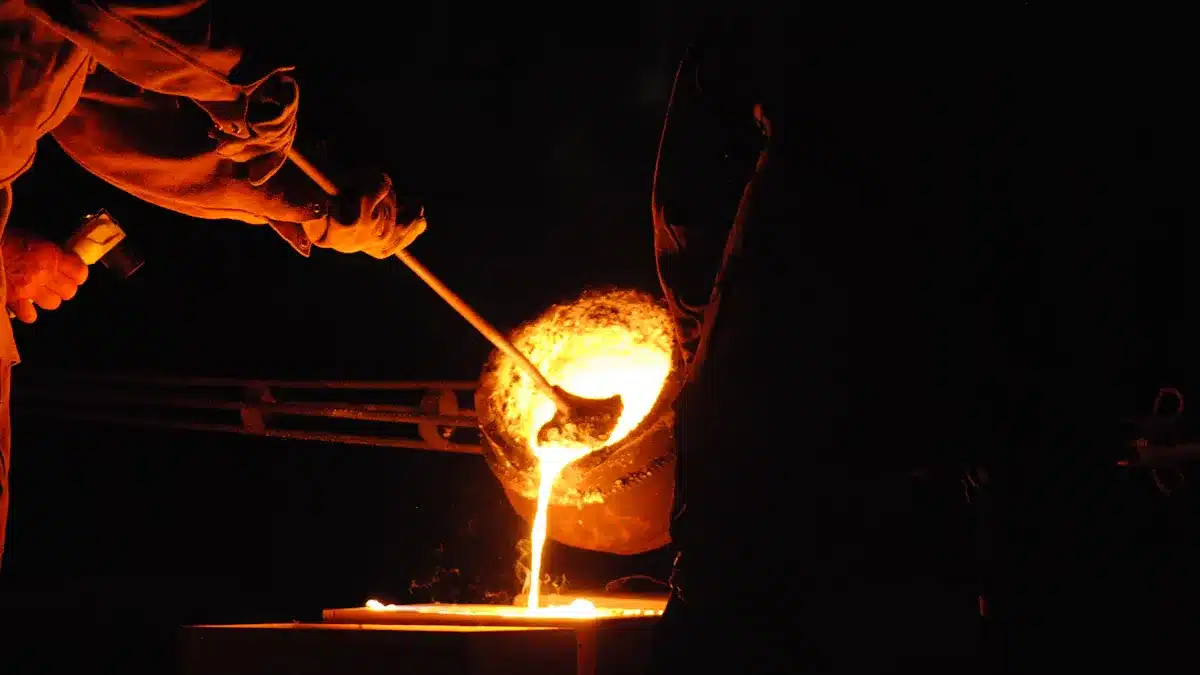
The zinc die casting process has three main steps. Each step helps make strong and exact parts. The table below shows these steps and how they affect quality:
Stage | Description | Impact on Quality |
|---|---|---|
Injection | Molten zinc goes into the die with high pressure. | Gives high accuracy and lets makers create detailed shapes. |
Cooling | Zinc hardens fast because it melts at a low temperature. | Makes more parts quickly and keeps sizes correct. |
Finishing | Workers cut, smooth, and treat each part’s surface. | Makes parts work better and look nicer. |
Zinc flows well into the mold. This helps make thin walls and tiny details. Cooling happens quickly, so parts are made faster and stay accurate. Finishing steps like cutting and smoothing give each part a nice surface and strong edges.
Key Design Rules for Zinc
Designers follow special rules to get the best zinc die cast parts. These rules help parts be strong, easy to make, and look good. The table below lists important design tips:
Design Aspect | Key Considerations |
|---|---|
Material Selection | Choose alloys that shrink and flow just right. |
Die Design | Make dies strong and keep sizes steady. |
Ejection Mechanisms | Make it simple to remove parts to save time and avoid damage. |
Wall Thickness | Keep thickness the same to stop problems like holes inside. |
Ribs and Corners | Add ribs for strength and shape corners to lower stress. |
Windows and Holes | Plan cutouts carefully so parts stay strong. |
Post-Machined Features | Do less extra cutting to save money and make parts faster. |
Parting Lines | Put lines where they are hard to see for a better look. |
Surface Finishing | Pick finishes that balance cost and how the part will be used. |
Designers and die casters work together to make sure every zinc part is high quality. They pick alloys that fit what the part needs. They design dies to keep parts strong and the right size. They plan for easy removal and smooth surfaces. Even wall thickness and smart rib placement help stop problems. Careful planning for windows, holes, and lines keeps parts strong and looking nice. The finish depends on how the part will be used.
Tip: Good design and teamwork make zinc die casting better. Smart choices in alloys and steps help makers create strong and good-looking products.
Manufacturers pick zinc for die casting because it is accurate, saves money, and makes parts the same every time. The table below explains why zinc is special:
Advantage | Description |
|---|---|
Uniformity | Zinc alloys always have the same properties. |
Precision | Zinc can make parts with exact shapes and sizes. |
Cost-Effectiveness | Zinc die casting costs less and makes parts faster. |
Zinc is also tough and can bend without breaking. MORELUX uses zinc to make strong and good parts for many jobs. Zinc die casting is still a favorite for makers who want exact and quick results.