
Aluminum casting needs special materials. The main aluminum alloys are A360, A380, and A413. Makers pick each die cast aluminum material for strength, weight, and durability. These alloys help make die cast light parts and complex shapes for automotive die casting. The material picked changes the product’s quality and how it works. MORELUX is a top company in advanced aluminum casting techniques.
Key Takeaways
Aluminum alloys such as A360, A380, and A413 help make strong and light parts in die casting. Picking the right alloy affects how tough and long-lasting the product is. It also changes how well the product works, so manufacturers must choose carefully. Die casting uses aluminum, but it also uses metals like zinc and magnesium. Each metal works best for certain jobs. Aluminum is good for the environment because it can be recycled many times. Recycling aluminum does not lower its quality. This helps cut down on waste and saves energy. New technology and new alloys are making aluminum casting better. These changes help make casting faster and improve the quality of products.
Main Aluminum Casting Materials
Aluminum Alloys Overview
Aluminum alloys are very important in aluminum die casting. These alloys mix aluminum with other elements to make them stronger and last longer. They also help stop rust. Each alloy is different and works best for certain jobs. Some alloys flow better, so they fill tricky molds easily. Others are stronger and can hold heavy things.
Aluminum alloys usually have silicon, copper, or magnesium in them. These extra elements change how the alloy acts when being cast and after it cools. Many companies use aluminum alloys because they are light and strong. Car makers use them to make cars lighter and save gas. Electronics and lighting companies like these alloys because they carry heat and electricity well.
Lately, people use more advanced aluminum alloys. The world uses more aluminum die casting now, and more industries want these materials. Car companies use more die cast parts to make cars lighter and better. Electronics and building companies also need more aluminum casts. Fast growth in countries like China and India means more aluminum alloys are used in phones and energy tools. Companies spend money on new ideas to make casting better and make stronger aluminum casts.
MORELUX picks top-quality aluminum alloys for its die casting. The company uses alloys like A360, A380, and A413. These alloys make parts that look good, are strong, and do not wear out fast. MORELUX chooses alloys carefully so every part fits what customers need in cars, planes, and lights.
Die Casting Materials
Die casting uses more than just aluminum. Makers also use other metals for different jobs. The most common die casting materials are:
Aluminum: Light, strong, and does not rust easily. Used in many fields because it has good qualities.
Zinc: Very exact and lasts a long time. Good for small, detailed parts.
Magnesium: Super light and best when weight matters most.
Each die casting material is good for something special. Aluminum is popular because it is strong and not heavy. Zinc is great for tiny, detailed parts that need to last. Magnesium is best when you need something very light.
MORELUX mostly does aluminum die casting but knows about other metals too. The company’s skill with different alloys helps it pick the best one for each job. By picking the right die casting materials, MORELUX helps customers get strong parts that last.
Tip: The die casting material you pick changes how strong, heavy, and costly your part is. Always think about what you need before you choose a material.
Common Aluminum Alloys in Casting
A360, A380, A413 Alloys
A360, A380, and A413 alloys are used a lot in aluminum die casting. These alloys have special features that make them good for many things. A360 flows well, so it fills molds and makes detailed shapes. A380 is strong and easy to work with. It is good for parts that need to be strong but not heavy. A413 keeps pressure in and stops leaks.
Each alloy has its own use. A360 does not rust and can take heat. A380 is strong and not too heavy. A413 is best for parts that must not leak, like pump housings. These alloys help engineers make parts that are light and strong.
AC 46500 and Other Alloys
Some jobs need special alloys. AC 46500, AC 46100, and ADC 12 are some examples. These alloys have different features for certain uses. The table below shows how they are different:
Alloy | Ductility | Strength-to-Weight Ratio | Suitability for Applications |
|---|---|---|---|
AC 46500 | High | Excellent | Automotive and electrical components |
AC 46100 | Moderate | Good | General applications, cost-effective |
ADC 12 | High | Good | Corrosion resistance, versatile uses |
A380 | Moderate | Excellent | High-performance applications, machinability |
AC 46500 bends easily and is very strong for its weight. This makes it great for car and electric parts. AC 46100 is a good choice for many uses and saves money. ADC 12 does not rust and works for many things. A380 is still liked because it is easy to work with and strong for its weight.
Alloy Applications
Engineers pick alloys based on what the part needs to do. The way each alloy acts changes how the part is made and used. Alloys that bend and stretch can take more force. Aluminum is not heavy, so parts can be light and strong. This helps things last longer and use less energy.
The table below shows why these things matter:
Evidence | Explanation |
|---|---|
Yield strength, ductility, and solidification | These decide how the alloy fills the mold and how strong the part is. |
Low density | This lets parts be light but strong. |
Modulus of elasticity | Aluminum bends more, so engineers add ribs to make it stiff. |
Castability | Alloys that flow well can make tricky shapes. |
Alloy selection and casting practices | Good choices and ways of casting make better parts. |
Car makers use strong, light alloys to make cars that use less gas. Electronics companies pick alloys that do not rust and move heat well. Lighting and machine makers want alloys that fill molds and make strong, detailed parts. Aluminum die casting helps all these groups make better things.
Note: Picking the right alloy makes parts strong, light, and long-lasting. That is why companies like MORELUX work hard to choose the best alloy for every job.
Die Cast Aluminum Material in Manufacturing
High-Pressure Die Casting Process
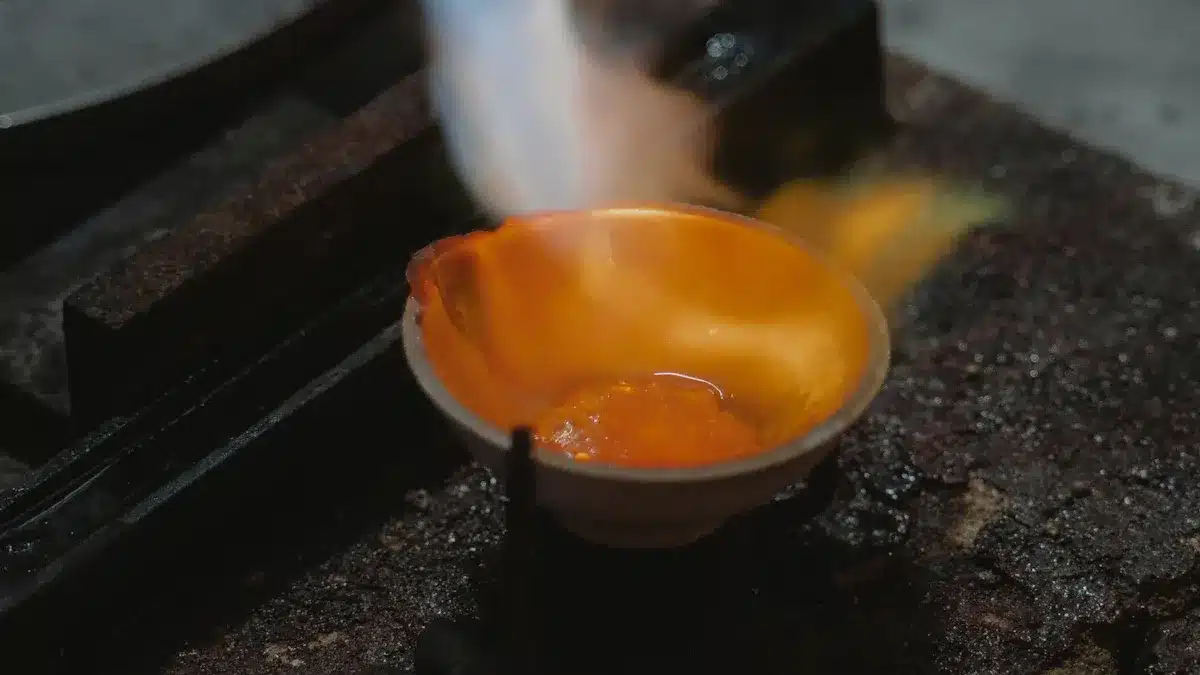
High-pressure die casting makes strong and detailed parts. Workers clean the molds and spray a release agent. They heat aluminum until it melts. The melted metal goes into the injection system. The system pushes metal into molds fast and with force. Pressure stays on the metal as it cools and gets hard. Molds open, and pins push out the finished part. Workers cut off extra bits and check for quality. Sometimes, they add steps like machining or painting.
Material properties matter at every step. Melting temperature sets how hot the furnace gets. Fluidity helps metal fill all parts of the mold. Shrinkage rate changes the size and shape of the part. Good thermal conductivity cools the part quickly and evenly. These things help every aluminum die casting part meet high standards.
Mold Materials and Tool Steels
Die casting molds face high heat and pressure. Most molds use tool steels because they last long and keep their shape. The mold material affects how many times you can use the mold. For example, aluminum molds can last up to 100,000 cycles. Cooling and lubrication help molds last longer. Regular checks keep molds working well and stop cracks.
The table below shows how mold material and casting temperature change mold life:
Casting Material | Casting Temperature (°F) | Estimated Die Cycles |
|---|---|---|
Aluminum | 1060 – 1220 | Up to 100,000 |
Brass | 1640 – 1720 | Around 10,000 |
Surface Finishing and Secondary Services
After parts come out of molds, workers finish the surface. This makes die cast aluminum material smooth and shiny. It also protects parts from rust and wear. Common finishes are painting, powder coating, and polishing. Some parts need extra work like CNC machining or assembly.
MORELUX offers many extra services for aluminum die casting. Their team uses advanced machines to finish and put together parts. They use new technology like 3D-printed molds and automated systems. These tools help make better die cast aluminum material with fewer mistakes and faster production. MORELUX’s focus on quality and new ideas helps customers get great results.
Tip: Picking the right molds and die cast aluminum material can make parts better, cost less, and help molds last longer.
Material Impact on Casting Results
Strength and Durability
The material you pick changes how strong and tough a casting is. Engineers look at what each part needs before picking an alloy. A356 is strong and works well for building parts. 319 is easy to shape and is used in engines. Alloy 380 keeps pressure in and is good for tricky housings. The table below shows what each alloy does best:
Alloy Type | Primary Benefits | Typical Applications |
|---|---|---|
A356 | High strength | Structural parts |
319 | Good machinability | Engine components |
380 | Pressure tight | Complex housings |
How a material acts is important in casting. Tensile strength is between 27,000 and 45,000 PSI. This means castings can hold heavy loads. Yield strength stops parts from bending too much. Elongation and hardness help parts bend and last longer. Walls that are thick enough, smooth edges, and good shapes help castings work better and last longer.
Heat Resistance and Corrosion Protection
Heat resistance and corrosion protection help castings work in hard places. Many castings get hot in engines or machines. Alloys like A356 in T6 condition can be very strong. They work well in hot jobs. Castings need protection from rust if they are outside or near chemicals. The salt-spray test checks how well a casting fights rust. Outdoor parts are tested for up to 1,000 hours.
Castings face many dangers like:
Rust from air
Damage from chemicals
Problems in the ocean
Pollution from factories
Paint or powder coating helps protect castings. These finishes make castings last longer.
Sustainability and Recyclability
Sustainability is important in casting today. Aluminum is special because it can be recycled many times. It does not lose quality when recycled. This helps the planet and cuts down on trash. Many makers use recycled aluminum to save energy and resources. Recycled castings help companies follow green rules and lower pollution.
Note: Picking the best material for casting makes products work better, last longer, and helps the environment.
Aluminum casting uses alloys such as A360, A380, and A413. These alloys help make parts that are strong and light. Picking the right aluminum material makes products last longer and work well. Companies like MORELUX choose good alloys for each job. They care about quality and being good to the environment. In the future, aluminum casting will change in some ways:
Using smart technology in factories
Making new aluminum alloys that work even better
Adding IoT, AI, and machine learning to the casting process