
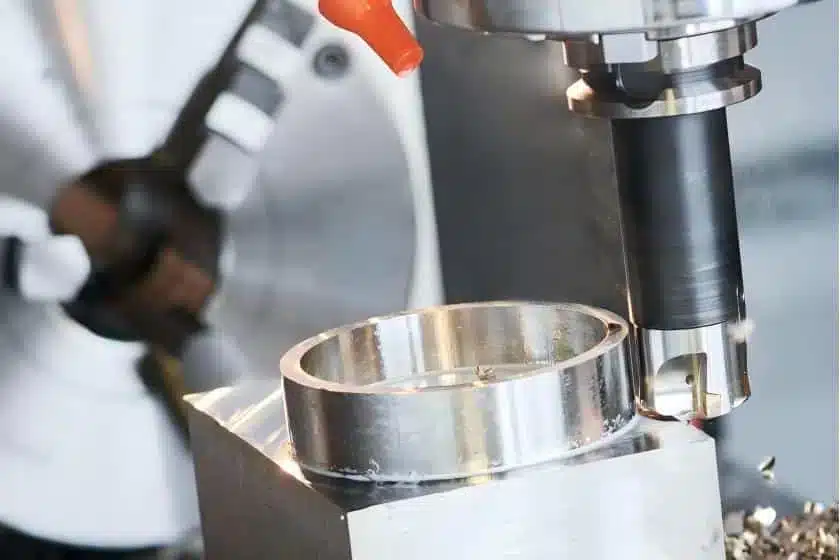
MORELUX is a company in Malaysia specializing in precision die casting, delivering strong and reliable metal components using advanced vacuum technology. Many businesses pick vacuum die casting because it gives many good things. Vacuum die casting uses a vacuum system to suck air out of the mold before hot metal is put in. This way, the parts have fewer air bubbles and are stronger.
Key Takeaways
- Vacuum die casting removes air and gases from the mold before metal injection, reducing porosity and internal defects.
- The process improves mechanical properties such as tensile strength, ductility, and fatigue resistance.
- It enables the production of complex, thin-walled components with tight tolerances (up to ±0.2 mm).
- Integrated vacuum assist technology enhances surface finish and reduces post-processing time.
- Industries such as automotive, aerospace, electronics, and industrial manufacturing rely on vacuum die casting for high-performance components.
Vacuum Die Casting Overview
What is vacuum die casting?
Vacuum die casting uses a vacuum to take out air and gases from the mold before hot metal goes in. This helps the metal fill the mold without leaving empty spaces. The vacuum system pulls out trapped air, so there are fewer bubbles and holes in the finished parts. Because of this, vacuum die casting makes parts that are stronger and have fewer problems than regular casting. Many companies use this process when they need parts that are high-quality and have exact shapes and sizes.
Main features and advantages of vacuum die casting
Vacuum die casting is special because it has many good features and benefits:
- The vacuum system takes out air and gases before the hot metal is put in.
- This helps the metal spread out evenly into every part of the mold.
- There are fewer bubbles and gas pockets, so the final parts have less porosity.
- Vacuum casting can make very detailed parts and can reach tolerances as close as ±0.2 mm.
- The exact tolerance depends on the part’s size and design, but vacuum casting works well for making test parts before full production.
| Property | Improvement |
|---|---|
| Ultra tensile strength | ∼20% higher |
| Elongation | Double |
| Low-cycle fatigue life | Treble |
| Ductility (as-cast) | 43% increase |
| Ductility (after treatment) | 21% increase |
| Fluctuations in ductility | 71% reduction (as-cast) 84% reduction (after treatment) |
| Porosity volume fraction | ∼90% lower |
| External solidified crystals | ∼80% less |
Note: Vacuum die casting makes parts stronger and more reliable. These improvements are why many industries pick this process when they need parts that last a long time and work well.
Vacuum casting helps these industries make parts that meet strict rules for size, shape, and how well they work. The process can make both small and big parts, so it is useful for many different jobs.
Vacuum Die Casting Process

Vacuum die casting process
Vacuum die casting uses special machines to make very exact parts. Workers follow steps to make sure every part is made well. First, engineers design a mold from steel or aluminum. The mold must handle high heat and pressure. Next, workers melt metal in a furnace. They pour the hot metal into a ladle. Then, the molten metal goes into the mold with high pressure. The vacuum system takes out air and gases before the metal goes in. After that, the metal cools and gets hard inside the mold. The vacuum keeps air out until the metal fills every space. When the part is cool, the mold opens. Workers take out the part and finish the surface. These steps help the part keep its shape and strength.
Tip: Making a prototype first helps engineers check if the mold works well. Prototypes let them fix the mold and vacuum system for better results.
Role of the vacuum system
The vacuum system is very important in this process. It takes out air and gases from the mold. This makes the part stronger and lowers porosity. The vacuum stops the hot metal from mixing with air gases like oxygen and nitrogen. This keeps the part clean and free from problems.
- The vacuum system controls cavity pressure and ensures complete metal flow before solidification.
- It helps make each part very exact and correct.
- The vacuum stays on until the metal fills the mold. This is important for both test parts and real parts.
- Using the vacuum at the right time makes the part stronger and smoother.
Manufacturers use the vacuum system to make better parts. It helps make both test and finished parts that work the same every time.
Integrated vacuum assist technology
Integrated vacuum assist technology is a new way to help the die casting process. This technology puts vacuum parts right into the casting machines. It lets workers see and control the process better. This makes it easier to make very exact parts.
| Benefit | Description |
|---|---|
| Minimizes surface roughness | Makes the surface smoother and cleaner |
| Produces clean, smooth surfaces | Good for painting or plating the parts |
| Reduces post-processing time | Makes the whole process faster and better |
Manufacturers use integrated vacuum assist to lower gas bubbles and make the parts denser. This technology spreads the metal more evenly. It makes the parts stronger. Integrated vacuum assist also helps make test parts that are very exact. The DVF200C system is one example that has vacuum assist built in. It helps make the process faster and easier to control.
- Integrated vacuum assist makes surfaces smoother and cleaner.
- It cuts down on extra work after casting, so parts are ready faster.
- The technology helps make very exact shapes and sizes.
- Parts made this way are stronger and last longer.
Note: Integrated vacuum assist technology helps companies make better parts. It lets them meet tough rules for size and quality. It helps make both test and finished parts that are very exact.
Vacuum Die Casting vs Other Methods
Vacuum casting vs. conventional die casting
Vacuum die casting and conventional die casting both make metal parts, but they work in different ways. Conventional die casting pushes hot metal into a mold with high pressure. Air and gases stay inside the mold, which can cause bubbles and weak spots. Vacuum die casting takes out air and gases before the metal goes in. This makes the parts stronger and lowers the number of problems.
Manufacturers pick vacuum die casting when they want parts with fewer mistakes and more strength. Conventional die casting is good for simple shapes and jobs that do not need much strength. Vacuum die casting makes parts with tighter sizes and smoother surfaces.
Advantages for complex parts
Vacuum die casting is very helpful for making complex parts, especially ones with thin walls. The process fills every part of the mold, so the parts are exact and strong. Thin-walled parts need extra care because they can break if there are bubbles or weak spots.
| Evidence | Explanation |
|---|---|
| Vacuum die casting makes high-quality, exact parts with fewer bubbles and problems. | This is important for thin-walled parts because it keeps them strong and less likely to break. |
| The vacuum process helps fill small details and tricky shapes. | This is needed for making complex parts with thin walls, so every part is made right. |
| Vacuum die casting gives better strength and smoother surfaces. | These changes make it good for tough jobs where the parts must work well. |
- The vacuum process cuts down on problems like gas pockets and marks on the surface.
- It helps keep sizes exact and makes sure tricky shapes come out right every time.
- The parts often need less extra work to get a smooth, nice surface.
Cost and limitations
Vacuum die casting gives great results, but some things can make it cost more. The price of materials, skilled workers, and fast work times all matter. Problems with getting supplies from other countries can also raise costs. Sometimes, extra steps are needed after casting to check quality, which adds hidden costs.
| Cost Driver/Challenge | Description |
|---|---|
| Higher prices for silicone molds and polyurethane resins | More expensive materials make the whole process cost more. |
| More pay for skilled workers | Paying skilled workers raises the total cost of making parts. |
| Need to finish jobs faster | Rushing jobs can make prices go up because of the hurry. |
| 3D printing competition | Makes it harder to charge more for simple parts, changing the market. |
| Problems with getting supplies from around the world | Makes it harder to get materials and ship them, so costs go up. |
| Extra steps for checking and finishing parts | Adds costs that may not show up in the first price. |
Manufacturers use vacuum die casting for parts that need to be very exact, have tricky shapes, and must be strong. This way is best for industries like cars, planes, and electronics, where good quality is very important.
Examples and applications of vacuum die casting
Automotive die casting process
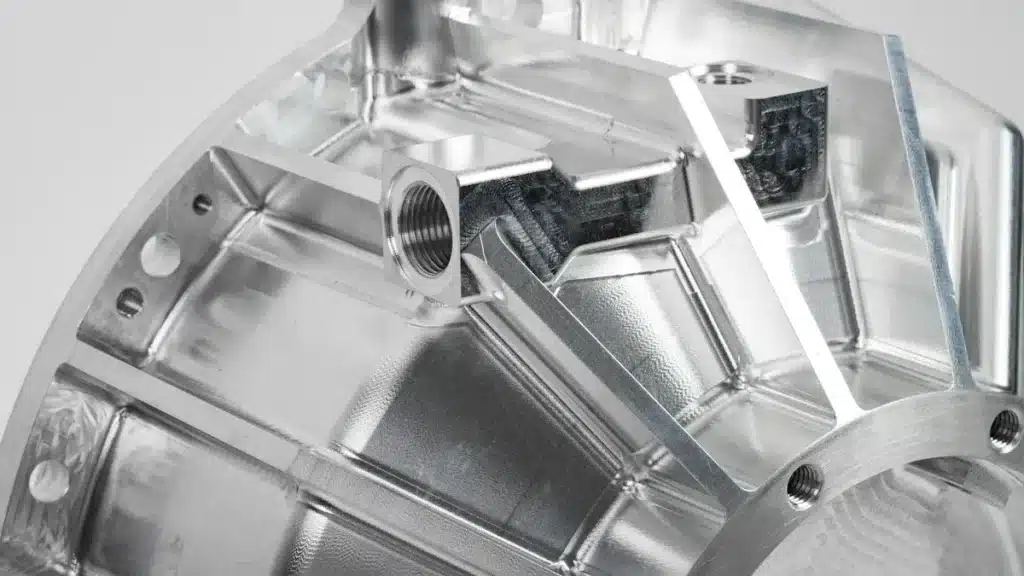
Vacuum die casting plays a critical role in the automotive industry, especially for lightweight structural components. Many manufacturers rely on experienced partners like MORELUX for high-precision automotive die casting. Car makers use it to make parts that are strong and light. These parts help cars work better. The process makes parts with the right shape and size. It also lets companies make many parts quickly. Lighter car parts help cars use less fuel and make less pollution. The process gives parts that are strong and fit well.
Some car parts made with vacuum die casting are:
- Engine housings
- Transmission components
- Motor housings for EVs
- Gearbox covers
- Structural brackets
- Heat sinks
- Steering system parts
- Battery enclosures
- Car electronic cases
Vacuum die casting helps make light car parts. These parts lower the car’s weight and keep the quality the same for each one.
Aerospace die casting process
Aerospace companies need parts that are both strong and light. Vacuum die casting helps make these kinds of parts. It makes sure the parts are the right size and shape. Engineers use it to make tricky parts for planes, like brackets and housings. These parts must handle stress and heat changes in flight. The process makes sure every part is safe and works well.
Electronics die casting process
Electronic die casting also has a wide range of applications.Many devices need parts that block electromagnetic waves. The process makes smooth and exact parts. This is good for making test parts and finished products.
| Step | Description |
|---|---|
| 1 | The part is cleaned so the aluminum sticks well. |
| 2 | If only some areas need coating, other spots are covered. |
| 3 | A thin layer of aluminum is put on for conductivity and EMI shielding. |
This way, parts can protect electronics and help them work better.
Industrial Components
Vacuum die casting makes strong parts for machines. The process gives parts that are dense and have few problems. Makers can create tricky shapes and use strong metals that can be heat treated. This helps parts last longer and work well in hard jobs.
The vacuum-assisted die casting method helps stop air from getting trapped when filling the mold fast. It also lets the parts be heat treated. This is why it is used for car parts like subframes, shock towers, and pillars.
Makers trust vacuum die casting to give good parts for many jobs. The process lets them make lots of parts and keeps the quality high for each one.
Vacuum die casting delivers consistent structural performance and dimensional stability across high-volume production. The table below shows the main benefits:
| Advantage | Description |
|---|---|
| Precision | Parts are made with high accuracy and detailed shapes. |
| Structural Integrity | Fewer gases get trapped, so parts are stronger. |
| Surface Finish | Surfaces are smooth and clean without any defects. |
Manufacturers want more custom solutions and new technology. They also look for eco-friendly ways to make things. MORELUX gives expert help for projects that need quality and complex parts. Vacuum die casting helps many industries make better products.
FAQ
What is vacuum casting?
Vacuum casting uses a vacuum to take air out of a mold. This helps make parts that are strong and have lots of detail. Many companies use vacuum casting to get good results. The vacuum lowers bubbles and problems in the finished part.
How does vacuum casting differ from regular casting?
Vacuum casting pulls air out of the mold with a vacuum. Regular casting does not use a vacuum at all. The vacuum makes the process better by lowering mistakes. This way, parts come out smoother and with better quality.
Why do manufacturers choose vacuum casting for production?
Manufacturers like vacuum casting because it gives better parts. The vacuum helps make strong and detailed pieces. This method works for both small and big jobs. It is also good for tricky shapes and thin parts.
What materials work best for vacuum casting?
Vacuum casting can use many types of materials. Some common ones are plastics, resins, and metals. The vacuum helps these fill the mold all the way. This makes parts strong and smooth.
Can vacuum casting make prototypes and final parts?
Yes, vacuum casting can make both test and real parts. The vacuum helps make models that are exact and detailed. Many companies use it for testing and making lots of parts. This process gives good results for many needs.