

Low-pressure die casting typically operates at pressures between 20–100 kPa, 0.7–1.5 bar, or 2.9–14.5 psi. Factories utilize low-pressure die casting to manufacture larger, more intricate parts. Good pressure control can reduce porosity and increase part strength.
Key Takeaways
- Low-pressure die casting operates at pressures of 20–100 kPa. This helps control metal deformation and reduces the probability of errors during metal manufacturing.
- By controlling the pressure, factories can produce stronger, thicker parts while reducing air bubbles and voids.
- Low-pressure die casting enables factories to create shapes with rich detail, making it particularly suitable for special orders and high-volume orders.
Pressure Range in Low Pressure Die Casting
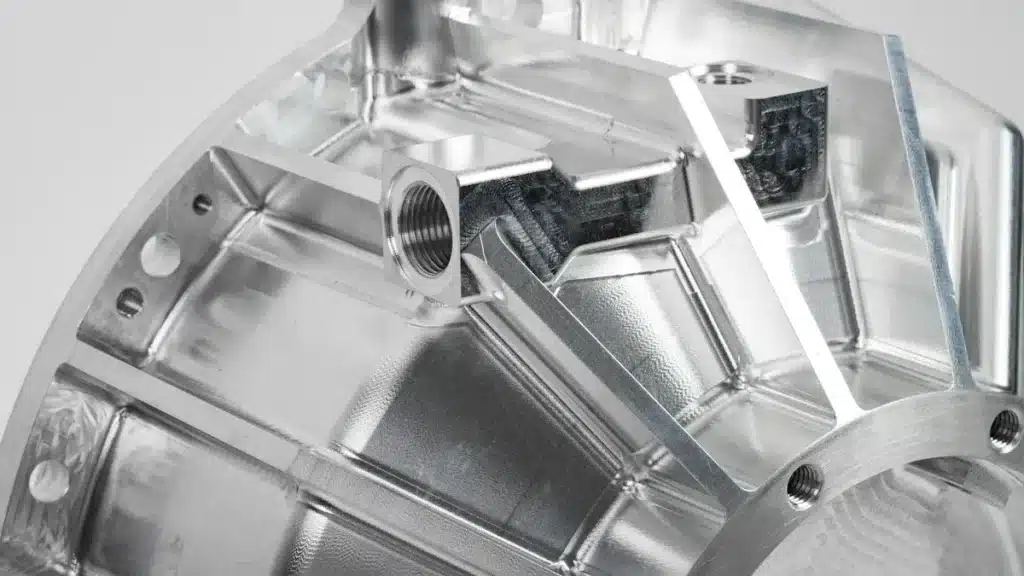
Standard Values and Units
Low-pressure die casting requires a certain pressure to function properly. Most plants set the pressure between 20 and 100 kPa. This is equivalent to 0.7 to 1.5 bar or 2.9 to 14.5 psi. Using this pressure helps control the flow of molten metal and helps prevent problems with the parts. Pressure units used vary by region. In North America, pounds per square inch (psi) is used. In Europe and Asia, bar or kilopascal (kPa) is used. Engineers sometimes use technical atmospheres (kg/cm²) or atmospheres (atm) for comparison.
| Pressure Unit | Description |
|---|---|
| Pounds per Square Inch (psi) | Primary unit in the Imperial system, widely used in North America. |
| Bar and Kilopascals (kPa) | Metric units, with Bar equal to atmospheric pressure at sea level. |
| Kg/cm² (Technical Atmosphere) | Used in engineering, approximately equal to 0.98 Bar. |
| Atmospheric Pressure (atm) | Reference point for absolute vs. gauge pressure, defined as 101.325 kPa. |
| Liquid Column Units | Includes Inch of Water and Inch of Mercury, used in various engineering fields. |
Why Use Low-Pressure Casting
There are many reasons why factories use low-pressure casting. Low pressure allows molten metal to slowly fill the mold. This slow filling prevents excessive metal flow and avoids air trapping. Maintaining constant pressure during cooling prevents shrinkage problems. Due to process control, low-pressure castings typically have higher strength.
Low pressure also alters how the metal solidifies. If engineers use resonant vibrations under low pressure, the metal’s filling performance is better, and shrinkage problems disappear. α-Al grain size can shrink by nearly 30%. Metal density increases by 2.7%. Strength and ductility increase by over 20% and nearly 8%, respectively.
Process Control and Application
Factories employ special methods to control the pressure in low-pressure casting. The process begins with a low-pressure air injection. Dry air is introduced into a pressure vessel. This causes the molten metal to rise and fill the mold. Engineers use a pressure of 0.3 to 1.5 bar to slowly push the metal into the mold. This prevents the metal from moving too quickly and eliminates air bubbles.
| Method | Description |
|---|---|
| Low-pressure air injection | Dry compressed air is injected into a pressure vessel, causing molten metal to flow up the riser and fill the mold. |
| Controlled pressure application | A low positive pressure of 0.3–1.5 bar is applied to push molten metal slowly into the dies, minimizing turbulence and air entrapment. |
| Gradual filling | The controlled injection method allows for uniform material flow, reducing defects like voids and air pockets. |
The factory employs a progressive pressurization process to ensure uniform metal flow, effectively preventing issues such as voids and air bubbles. Advanced machinery and quality control methods ensure precise pressure control. Experienced engineers monitor the pressure and adjust it according to the specific circumstances of each project.
The unique feature of low-pressure die casting is its use of precise pressure control and new technologies. Its pressure range helps produce delicate and robust metal parts. Factories using low-pressure die casting achieve better production results and meet stringent quality standards.
Casting Quality and Low Pressure Effects

Metal Flow and Die Filling
The pressure range in low pressure die casting is very important. It controls how the molten metal fills the mold. Factories use low pressure to make the metal move slowly and evenly. This slow flow stops the metal from splashing or making bubbles. It also helps keep the parts from having problems. The table below shows how low pressure makes the die casting process better:
| Evidence Type | Description |
|---|---|
| Improved Material Flow | Low pressure lets the molten metal move smoothly and evenly. This helps factories make detailed shapes without mistakes. |
| Minimal Porosity | Castings made with low pressure have fewer tiny holes. This makes the parts stronger and more reliable. |
| Better Surface Finish | Using controlled pressure gives the parts a smooth surface. This means less work is needed after casting. |
Materials and Design Considerations
Factory and supplier selection will choose materials suitable for low-pressure die casting. Alloys that flow easily and cool slowly are preferred. These materials help create strong parts that retain their shape even when thick. Engineers will design molds to accommodate the slow filling process. This helps add fine details and avoids problems such as cold shuts or incomplete casting.
Comparison with Other Casting Methods
Low-pressure die casting differs from high-pressure die casting and other casting methods. The following table lists the main differences:
| Characteristic | Low-Pressure Casting | High-Pressure Casting |
|---|---|---|
| Pressure | Less than 0.08 MPa, up to 0.15 MPa | Hundreds of MPa |
| Flow Speed | Slow, about 150mm/s | Fast, up to 120m/s |
| Porosity | No porosity inside casting | May have porosity |
| Complexity | Can produce complex cavities | Limited to simple cavities |
| Finished Product Rate | High, 80-95% | Lower, 60-90% |
Factories and custom makers use low pressure die casting to make strong parts with fewer problems. Good process control helps get the same results every time and is good for big orders. The pressure range helps make parts that are stronger and smoother than with other casting methods.
Manufacturers and suppliers need the right pressure range in low pressure die casting. This helps them make strong parts without defects. When pressure is controlled, the metal flows better. It also lowers porosity and helps with detailed designs. Experts say it is important to manage pressure carefully for good quality every time.
| Advantage | Result |
|---|---|
| Smooth metal fill | Fewer defects |
| Directional solidification | Enhanced mechanical strength |
FAQ
What are the main advantages of low-pressure die casting for manufacturers?
Low-pressure die casting allows factories to control the flow of metal, thereby reducing errors in the parts manufacturing process. Factories can produce high-strength, highly detailed parts to meet large orders and special requirements.
How do suppliers ensure the quality of low-pressure die casting?
Suppliers use intelligent equipment and rigorous inspection processes. Engineers monitor the pressure to ensure that every part is robust and reliable.
Can factories use low-pressure die casting to manufacture parts with complex shapes?
Factory can use low-pressure die casting to manufacture parts with a wide variety of complex shapes. The slow metal flow allows the mold to be filled with rich details, which helps factories produce custom parts for various applications.