

Pressure die casting is a process where makers push hot liquid metal into a mold with high pressure. This way helps make shapes that are hard to create. The shapes come out very exact and have smooth surfaces. Many industries use pressure die casting to make strong and detailed metal parts fast. This method helps modern factories by giving steady and correct results.
Key Takeaways
- Pressure die casting uses powerful force to move molten iron into a mold. This results in strong parts with a high degree of detail. It’s also a very fast process.
- This method is beneficial for factories. They can manufacture many parts quickly. It helps save money and reduce waste.
- Choosing the right materials and methods, such as hot or cold chamber systems, can help manufacturers obtain the best parts that meet their needs.
Pressure die casting process
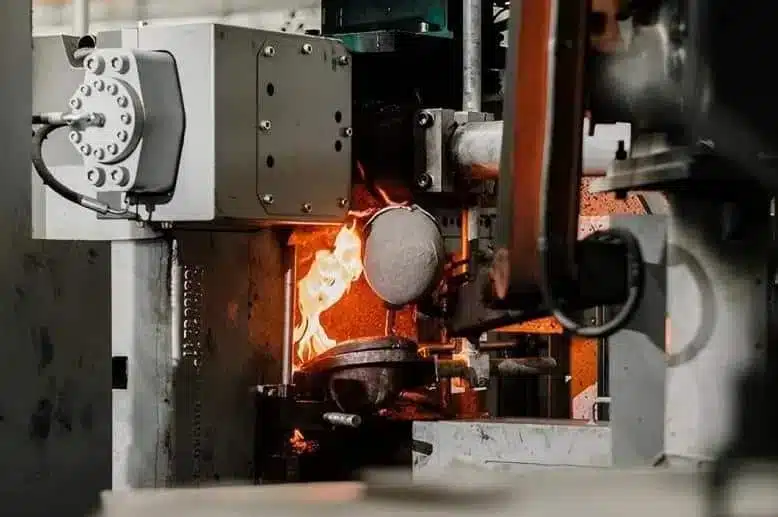
Pressure die casting pushes hot metal into a mold using high pressure. This makes strong parts with lots of detail. It is fast and accurate, so factories like to use it. The hpdc process has careful steps to make sure every part is good.
Step-by-step process of pressure die casting:
- Workers clean both sides of the die and spray a release agent. Sometimes, they heat the die before starting.
- The metal gets heated in a furnace until it melts.
- The melted metal goes to the injection system. A piston pushes the metal into the die very fast and hard.
- The machine keeps the pressure on until the metal cools down and gets hard.
- The die opens, and pins push the part out.
- Workers cut off extra pieces, like sprue, runners, gates, or flash.
- Sometimes, they do more steps like machining, painting, or putting parts together.
- The part gets final touches to make sure it is perfect.
Note: High pressure die casting makes metal parts better. It gives great accuracy and smooth surfaces. This process lets factories make thin walls and tricky shapes. That helps parts be lighter and stronger.
Hot chamber vs. cold chamber systems
Pressure die casting uses two main ways: hot chamber and cold chamber. Each way works best for certain metals and jobs.
| Feature | Hot Chamber Die Casting | Cold Chamber Die Casting |
|---|---|---|
| Process Overview | Injection system sits in melted metal | Injection system is not in melted metal |
| Materials Used | Alloys that melt at lower heat (Zn, Sn, Pb) | Alloys that need more heat (Al, Mg) |
| Speed and Efficiency | Faster because melted metal is ready | Slower but can do more types of parts |
| Applications | Small or medium parts | Bigger or more complex parts |
- Hot chamber die casting is good for metals that melt easily, like zinc, tin, and lead.
- Cold chamber die casting is better for metals that need more heat, like aluminum and magnesium.
- Hot chamber is faster, but cold chamber can make bigger or harder parts.
Automation and Efficiency
Modern die-casting plants utilize robots and intelligent machines. These devices assist in material handling, mold application, quality inspection, and part ejection. This means workers are less likely to perform extensive manual labor. Simultaneously, more parts can be produced faster while maintaining high quality. Manufacturers and distributors can obtain parts more quickly and with reduced errors.
Suitable for Complex Shapes
High-pressure die casting is ideal for creating complex shapes and intricate details. It utilizes powerful pressure and specialized molds. Plants can create molds using components such as cores and slides. This helps them manufacture parts with complex shapes and limited space. This also means less waste and higher part precision.
The die-casting process is suitable for a variety of job types. It helps manufacturers, distributors, and custom workshops quickly and efficiently produce robust, delicate metal parts.
Die-casting Materials
Die casting uses different metals to create robust parts. Manufacturers select the appropriate metal based on the needs of each job. MORELUX use aluminum, zinc, and magnesium alloys to manufacture custom die-cast parts. These metals contribute to the smooth operation and extended lifespan of the parts.
| Material | Key Properties | Applications |
|---|---|---|
| Aluminum Alloys | Light, keeps its shape, does not rust, carries electricity, handles heat well | Used in cars, planes, and electronics |
| Zinc Alloys | Very strong, bends without breaking, melts at lower heat, good for small shapes | Used for car parts, gears, and decorations |
| Magnesium Alloys | Lightest metal for building, easy to shape, works in hot chamber die casting | Used for car and plane parts |
| Copper Alloys | Carries electricity well, handles heat, does not rust | Used for electric parts and heat sinks |
Aluminum die-cast parts are used to manufacture lightweight components for automotive and electronics products. Zinc die-cast parts are used to manufacture high-strength parts with complex shapes. Magnesium alloys are the lightest material for manufacturing high-strength parts. These metals help the factory produce parts quickly and meet high standards.
MORELUX’s factory is equipped with state-of-the-art equipment. Engineers use computers to design molds and test the flow properties of the metals. Robots and machines handle casting, cutting, and finishing. The quality team uses X-ray machines and coordinate measuring machines (CMMs) to inspect each part. These steps ensure that every batch of products meets standards and functions well.
High-pressure die casting offers numerous advantages to manufacturers and distributors:
- Makes parts faster than pouring metal.
- Makes parts the right size, so less fixing is needed.
- Gives smooth surfaces, good for painting or plating.
- Makes thin walls, so parts are lighter.
- Molds last longer, so each part costs less.
- Can make hard shapes, so fewer parts are needed.
High-pressure die casting is a fast process that can produce thin, delicate parts. It is more efficient and faster than other casting methods. Factories can produce large quantities of parts at a lower cost. Each part takes only 30 to 60 seconds to manufacture. This saves manpower and increases production efficiency. With mass production, the long-term cost of molds is also reduced. High-quality molds can last for more than 100,000 cycles. Lower energy consumption and a more efficient melting process not only save costs but also benefit the environment.
High-pressure die casting has a wide range of applications. Automotive factories use it to manufacture components such as steering wheels and engine blocks. Electronics manufacturers use it to manufacture circuit boards and connectors. Medical companies need it to manufacture tools and equipment. Telecommunications and industrial companies use it to manufacture robust, durable, and high-precision parts.
| Industry | Typical Applications |
|---|---|
| Automotive | Car parts like steering wheel hubs and engine blocks |
| Electronics | Small parts like circuit boards and connectors |
| Medical | Tools and devices for medical use |
| Military | Parts like gun pieces and shells |
MORELUX makes special die casting parts for every industry. The company is a trusted maker and supplier. They make parts for lights, cars, medical, telecom, and electronics.
Advantages of High-Pressure Die Casting
High-pressure die casting offers numerous advantages to manufacturers and distributors. This method is fast and efficient, allowing factories to quickly produce large quantities of parts, each taking only seconds to manufacture, thus effectively reducing costs. Companies requiring custom parts or large quantities of parts particularly appreciate its rapid manufacturing speed.
Parts manufactured by high-pressure die casting have extremely high precision. The process uses robust molds and strictly controls temperature and pressure to ensure a perfect fit, virtually eliminating the need for rework. The table below illustrates how factories manufacture such precise parts:
| Factor | Description |
|---|---|
| Tooling Precision | Good tools make parts the right size and shape. This stops parts from changing size. |
| Thermal Control | Keeping the die at the right heat stops early freezing and size changes. |
| Process Monitoring | Watching speed and time helps keep quality the same for every part. |
| Gating and Runner Design | Good design stops bubbles and holes, so parts are better. |
| Statistical Process Control | SPC finds problems early and helps fix them. This keeps parts the same for a long time. |
High pressure die casting also helps save metal and make less waste:
- Aluminum and zinc can be used again and again.
- The process makes parts close to the final shape, so less metal is cut off.
- Recycling saves money and helps the earth.
Makers pick pressure die casting to make hard shapes with smooth sides. This way is good for making lots of parts that work well. Businesses that need strong, exact, and cheap parts use this method a lot.
Pressure die casting applications

Pressure die casting is important in many industries. Makers and sellers use this way to make lots of metal parts. High pressure die casting makes strong and exact pieces that follow strict rules.
Car factories use high pressure die casting for parts that must be tough and fit well. Some common uses are:
- Engine blocks and cylinder heads
- Transmission cases and gearboxes
- Chassis and suspension parts
- Oil sumps and engine mounts
- Structural parts
Electronics companies need high pressure die casting for small and detailed parts. This way makes light pieces for phones and laptops. It also helps make electronics with thin sides and tricky shapes. High pressure die casting gives each part a smooth surface and a good fit.
Factories that make machines pick pressure die casting for brackets, covers, and connectors. Medical device makers use it for robot covers and special tools. Sellers often ask for custom dresser knobs and engine pistons made this way.
The table below lists some products made with pressure die casting:
| Industry | Products |
|---|---|
| Automotive | Engine blocks, gearboxes |
| Electronics | Device housings, connectors |
| Medical | Robot casings, tools |
| Industrial | Brackets, housings |
| Consumer Goods | Dresser knobs, engine pistons |
Tip: High pressure die casting helps make parts fast and just how you want. Factories and sellers get parts they can trust that meet world rules.
Pressure die casting lets makers and sellers make parts fast. This way makes shapes that are hard to build. The parts come out smooth and fit well. Companies save money and waste less metal. Picking custom high-pressure die casting from a trusted factory like MORELUX gives good parts for every job.
| Aspect | Value |
|---|---|
| Production | Quick, exact, and grows easily |
| Cost | Cheap for big groups of parts |
FAQ
Which metals are best suited for die casting?
Aluminum alloys, zinc alloys, and magnesium alloys are preferred. Many factories use these metals to manufacture high-strength, lightweight parts. These metals also help in the manufacture of parts with high levels of detail.
How does die casting help manufacturers save costs?
Die casting allows factories to produce large quantities of parts quickly. Less metal and energy are required per part. This helps reduce costs for large-volume and custom orders.
Can factories use die casting to create custom shapes?
Manufacturers can design dedicated molds for new shapes. This helps suppliers manufacture custom parts for many industries and projects.