
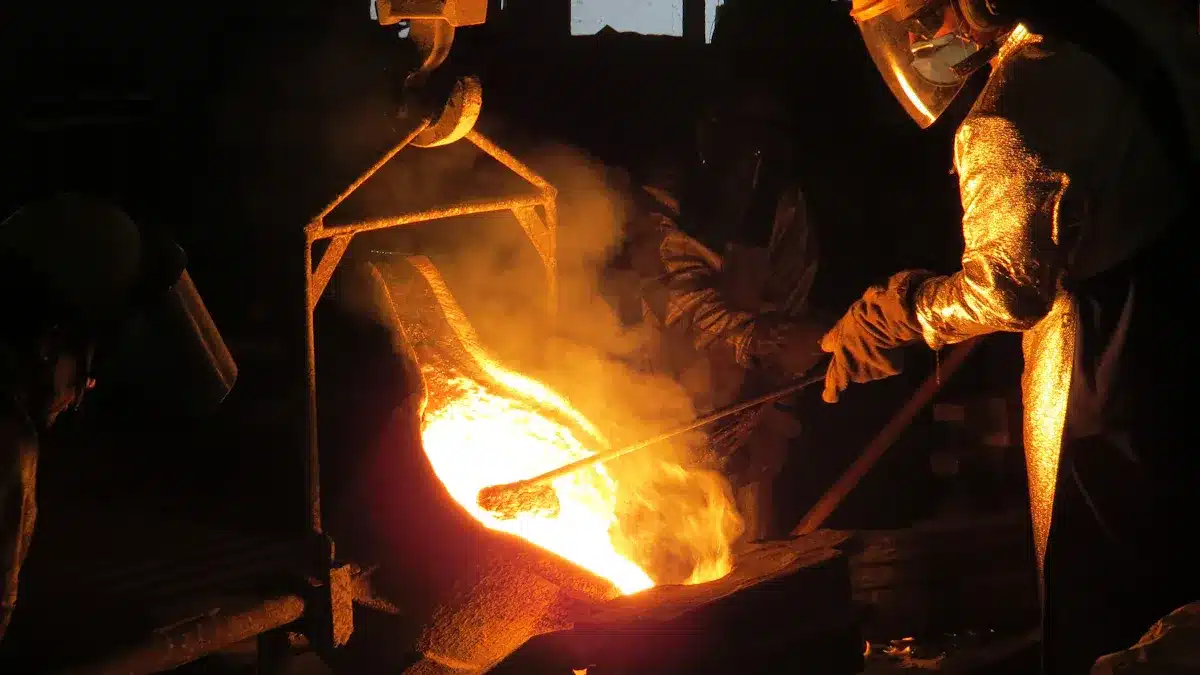
High pressure die casting, or hpdc die casting, makes metal parts by pushing melted metal into steel molds with high pressure. This way, the parts are strong and very exact. They also look smooth and nice. Many industries use aluminum hpdc die casting. For example, car makers use it for engine blocks. People who make planes use it for light but strong parts. Electronics companies use it for laptop cases and other items. Medical equipment makers use it for things like surgical tools. Telecom die-casting uses this method too. It helps make tough cases for their devices.
Industry | Applications |
|---|---|
Automotive | Engine blocks, transmission housings, mounting brackets |
Aerospace | Light, strong parts for planes |
Electronics | Laptop and phone cases, heat sinks |
Consumer Goods | Products with small details, made in large numbers |
Medical Equipment | Surgical tools, covers for medical devices |
Key Takeaways
High pressure die casting makes strong and exact metal parts. It pushes melted metal into molds using high pressure. This helps the metal fill every part of the mold.
The process is fast and works well. Factories can make thousands of parts quickly. This saves both time and money for companies.
HPDC is great for making hard shapes with smooth surfaces. Most parts need little or no extra work after casting.
Many industries use HPDC, like automotive, aerospace, and electronics. They need high-quality parts that must meet strict rules.
Picking a skilled manufacturer like MORELUX is important. They use advanced technology and check quality. This helps make sure the parts are reliable.
HPDC Die Casting Explained
What Is High Pressure Die Casting?
High pressure die casting is a process that shapes metal parts by forcing melted metal into a steel mold. The machine uses very high pressure to push the metal into every corner of the mold. This method creates parts that have smooth surfaces and exact shapes. Many factories use high pressure die casting to make parts for cars, electronics, and other products. The process works well for making many parts quickly. It also helps companies save material because the molds can be used again and again.
Note: High pressure die casting works best with metals like aluminum, zinc, and copper alloys. These metals melt easily and fill the molds well.
Key Features of HPDC
HPDC die casting stands out because of its special features. Here are some key points:
Speed: The process makes parts fast. Machines can produce thousands of pieces in a short time.
Accuracy: Each part comes out with the same size and shape. This helps when parts must fit together perfectly.
Surface Finish: The parts look smooth and shiny. Many do not need extra work after casting.
Complex Shapes: HPDC die casting can create parts with small details and thin walls. Designers can make shapes that are hard to produce with other methods.
Strength: The parts are strong and last a long time. They work well in machines and devices that need tough materials.
A table below shows how HPDC die casting compares to other casting methods:
Feature | HPDC Die Casting | Sand Casting | Investment Casting |
|---|---|---|---|
Speed | High | Low | Medium |
Surface Finish | Excellent | Rough | Good |
Detail Accuracy | High | Low | High |
Part Strength | High | Medium | Medium |
HPDC die casting gives companies a way to make strong, detailed, and smooth parts in large numbers. This process supports many industries that need reliable and high-quality components.
High Pressure Die Casting Process Steps
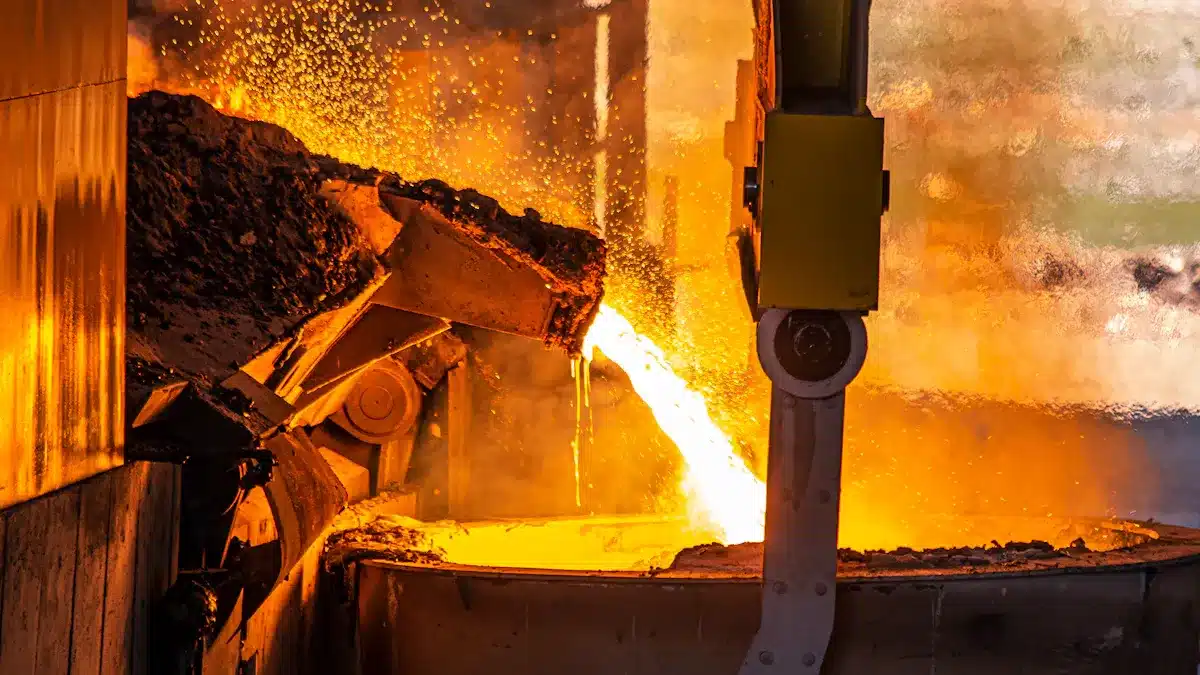
High-pressure die casting has several careful steps to make metal parts. Companies like MORELUX use robots and check quality at every step. This makes sure each part is made well. Here are the main steps in the process.
Mold Preparation
Mold preparation comes first in hpdc die casting. The machine uses steel molds called dies to shape the metal. Workers or robots spray a special oil inside the mold. This oil keeps the mold cool and helps the part come out easily. The way the mold is made is very important. It affects how strong and accurate the mold is. A good mold can be used between 80,000 and 150,000 times.
Some important things in mold preparation are:
The gate and runner system helps metal flow smoothly.
Vents let air out so bubbles do not form.
Cooling keeps the metal hardening fast and stops mistakes.
The ejection system helps remove the part easily.
The right wall thickness and draft angles help the mold work better.
A good mold design also stops problems like holes or cracks. MORELUX’s engineers use special die-casting to make sure each mold is perfect.
Key Consideration | Description |
|---|---|
Mold Design | Controls accuracy, durability, and efficiency |
Cooling System | Helps metal solidify quickly and reduces defects |
Gate and Runner System | Guides metal flow and helps with part ejection |
Venting | Lets air escape to avoid bubbles or weak spots |
Wall Thickness & Draft | Makes part removal easier and improves mold life |
Metal Injection Methods
After the mold is ready, metal injection starts. The machine melts metals like aluminum, zinc, or copper alloys. Each metal is good for different reasons. Aluminum is light and moves heat well. Magnesium is strong and not heavy. Zinc is easy to melt and flows well.
The machine pushes the melted metal into the mold with high pressure. This makes the metal fill every small space and shape. The pressure stays high until the metal cools and gets hard. This step makes the part smooth and strong.
The main steps in high-pressure die casting are:
Prepare the die: Spray oil and close the mold.
Fill: Push melted metal in with high pressure.
Solidify: Keep pressure until the metal cools.
Eject: Open the mold and take out the part.
Shakeout: Remove extra metal from the part.
Hot vs. Cold Chamber
There are two main types of machines: hot chamber and cold chamber. The type depends on the metal used.
Aspect | Hot Chamber | Cold Chamber |
|---|---|---|
Molten Metal Source | Metal stays in a heated chamber | Metal is melted in a separate furnace |
Metal Temperature | Always kept hot | Injected only when needed |
Cycle Time | Faster, less than 60 seconds | Slower, about 60-120 seconds |
Metal Alloys | Best for low melting point metals | Good for high-melting-point metals |
Hot chamber machines are good for zinc because it melts at a low temperature. Cold chamber machines are better for aluminum and copper alloys because they need more heat.
Part Removal and Trimming
When the metal cools, the machine opens the mold. Ejector pins push the part out. This is called part removal. The part may have extra metal called flash or runners. Workers or robots cut off this extra metal with a trim die or saw. Robots help make this step fast and correct.
Sometimes, the part needs more work like grinding or sanding to make it smooth. Any leftover metal can be melted and used again. This saves money and helps the environment.
MORELUX uses robots and machines for part removal and trimming. This makes sure each part is high quality and ready to use.
Tip: Checking quality is important at every step. Inspections, material checks, and watching the process help stop mistakes and make sure each part is right.
Automation and Quality Control at MORELUX
MORELUX uses robots and computers to make work faster and better. The table below shows how robots help each step:
Process | Description |
|---|---|
Tooling Design | Custom die-casting for high accuracy and efficiency |
Die Casting Production | Strict control of parameters for strong, defect-free parts |
CNC Machining | 24/7 operation for precise dimensions and smooth surfaces |
Assembly & Integration | Automated assembly for ready-to-use products and fast delivery |
Quality control steps include:
Quality Control Measure | Description |
|---|---|
Inspection and Testing | Checks during and after production to catch defects early |
Material Control | Tests on metals to ensure the right properties |
Process Control | Monitors temperature, pressure, and cooling for consistency |
Operator Training | Teaches workers to keep quality high |
Statistical Process Control | Uses data to track and improve the process |
High-pressure die casting at MORELUX uses smart design, advanced machines, and careful checks. This makes strong, detailed, and reliable parts for many uses.
Advantages of High-Pressure Die Casting
Speed and Efficiency
High-pressure die casting is very fast. Machines make parts in seconds or about one minute. This is much quicker than other ways to cast metal. Factories using this process can make twice as many parts as low-pressure die casting. Short cycle times help companies save money. They also help fill big orders quickly.
Cycle times are just seconds or up to one minute.
Productivity is double compared to low-pressure die casting.
Companies save money because production is faster.
Less manual work is needed.
Complex shapes are made in one step, so less assembly is needed.
Precision and Surface Finish
This process makes parts very accurate. High-pressure die casting is one of the most exact ways to cast metal. It is good for parts that need tight sizes. The smooth walls inside the die and high pressure make a nice surface. Parts often need little or no extra work after casting.
Die cast parts have smoother surfaces than sand cast parts.
Sand casting leaves rough surfaces that need more work.
Die casting makes parts ready to use with little extra work.
Machining, deburring, and polishing can make the finish even better.
Complex Shapes and Strength
Factories use high-pressure die casting to make parts with thin walls and small details. This process can make shapes that are hard to do with other methods. The parts are strong and work well for tough jobs.
Characteristic | Description |
|---|---|
Process | Used for car parts like seats and doors. |
Production Efficiency | Makes final shapes without extra machining. |
Mechanical Strength | Gives strong parts with good casting settings. |
Optimization | Controls melt and die temperature to lower defects. |
MORELUX offers many ways to improve parts after casting. These include machining, heat treatment, anodizing, powder coating, and inspection. Quality checks like looking at parts, measuring sizes, and testing strength make sure every part is good.
Tip: Picking a company with smart machines and good quality checks, like MORELUX, helps make sure parts are always strong and last a long time.
HPDC Die Casting Applications

Automotive Components
Car makers use HPDC die casting for many important parts. This process makes parts that are strong but not heavy. These parts must be safe and work well. Engineers like HPDC because it can make tricky shapes very accurately. MORELUX makes parts for both regular and electric cars.
Some common car parts made with HPDC are:
Transmission housings
Engine mounts
Electric vehicle battery enclosures
Structural brackets
Steering and suspension components
Engine blocks and cylinder heads
Gearbox housings
Chassis and crossmembers
Subframes
These parts need to handle a lot of force and heat. HPDC die casting makes sure each part is tough enough for today’s cars.
Consumer Electronics
HPDC die casting is important for making electronics. Companies use it to make light and exact parts for things like laptops and phones. This method lets them make thin and detailed pieces. That is good for small devices.
HPDC helps with:
Making lots of exact parts fast
Creating tricky shapes with thin walls
Keeping sizes the same for every part
Tight fits so parts go together right
Saving money when making many parts
Factories can make over 100,000 parts each year. Some parts are less than 2 mm thick. It is important that every part is the same.
Component Type | Description |
|---|---|
Circuit Boards | Used in many devices to connect parts. |
Connectors | Needed to join different electronic pieces. |
HPDC helps companies waste less and make better products.
Industrial and Other Uses
HPDC die casting is used in many other fields too. Airplane makers use it for light brackets, covers, and doors. Builders use HPDC for window frames and building parts. Hospitals need exact tools and medical machines. The energy field uses HPDC for pipes, valves, and solar panel holders.
Sector | Typical Applications |
|---|---|
Aerospace | Light parts like brackets, covers, and doors |
Construction | Window frames, roof parts, building frames |
Healthcare | Surgical tools, medical machines, imaging equipment |
Energy | Pipes, drilling tools, valves, solar panel holders |
HPDC die casting helps these fields make strong, long-lasting, and useful products.
High pressure die casting helps people make strong and exact parts fast. This process is good for making lots of parts at one time. The parts also turn out very good. The table below shows the main reasons why it is useful:
Core Value Proposition | Description |
|---|---|
Precision | Makes parts that fit and work really well. |
Cost-effectiveness | Helps save money and finish jobs faster. |
Quality | Gives parts that are always high quality. |
If you pick MORELUX, you get to work with skilled people. They use new machines and check quality all the time. Their team can make special parts and always does a good job for every project.