
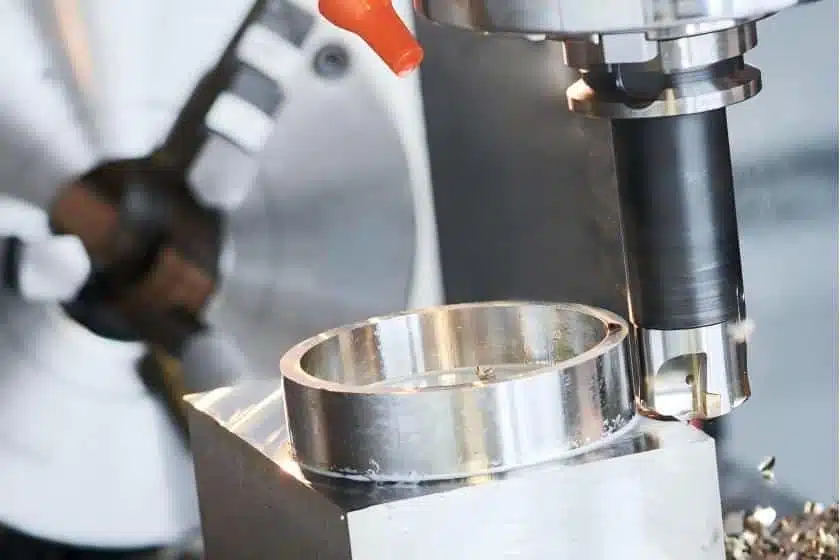
Die casting technology is driving innovation and development in the automotive industry. Manufacturers utilize die casting to meticulously and precisely produce complex automotive components. Parts produced through this process are strong and durable, contributing to improved vehicle performance and extended lifespan. High-pressure die casting also reduces vehicle weight and lowers fuel consumption.
- In 2024, the market size for die-cast automotive components was $52.12 billion.
- Experts predict that by 2032, the market size will grow to $87.5 billion, with a compound annual growth rate (CAGR) of 6.69%.
- The entire automotive casting market is projected to reach $140.48 billion by 2030.
Quality, innovation, and the manufacture of specialized parts are crucial for die casting in the automotive industry.
Key Takeaways
- Die-cast automotive components are strong and lightweight, helping to reduce fuel consumption and improve vehicle performance.
- High-pressure die casting allows factories to produce parts quickly and precisely, saving costs and reducing waste.
- Aluminum, zinc, and magnesium are the primary metals used in die casting. Each metal offers unique advantages and is suitable for different automotive components.
- Quality control is essential in the die casting process to ensure safe, reliable, and high-performing parts.
- Die casting technology helps protect the environment by using recycled materials and conserving energy.
Die casting process in automotive industry
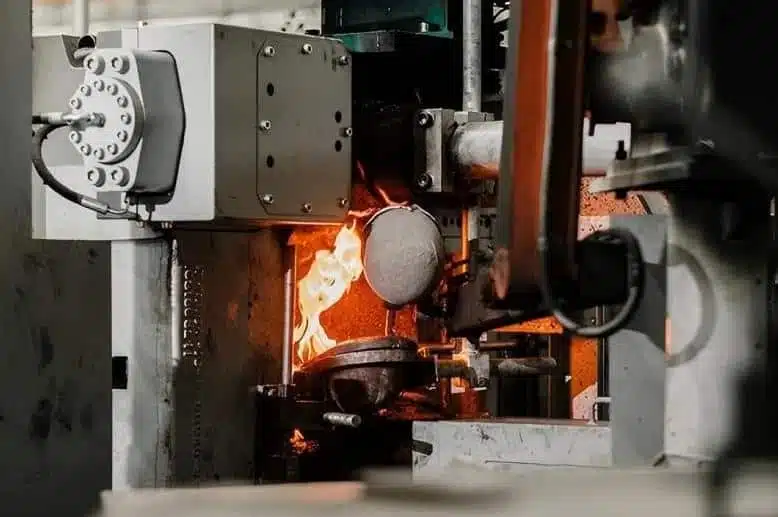
Automotive manufacturers use advanced die casting technology to produce strong, lightweight, and precisely fitting components. Companies like MORELUX are leaders in this field, employing innovative techniques and rigorous quality control. Their expertise in high-pressure die casting contributes to the production of high-performing and durable vehicles.
High-Pressure Die Casting Explained
High-pressure die casting is the optimal method for manufacturing complex automotive components. This method uses high pressure to inject molten metal into a steel mold. The resulting parts have smooth surfaces and precise fits. High-pressure die casting is fast and ideal for rapid mass production of automotive parts.
Numerous advantages of high-pressure die casting:
- It can produce parts with extremely high precision and smooth surfaces.
- It can form the thin-walled and intricate parts required for modern vehicles.
- It reduces the need for subsequent processing, saving time and costs.
| Feature | High-Pressure Die Casting | Traditional Methods |
|---|---|---|
| Accuracy | Excellent | Medium |
| Surface Quality | High | Lower |
| Cycle Time | Fast | Slower |
| Post-Processing Needs | Reduced | Higher |
| Cost Efficiency | Lower unit cost | Higher unit cost |
Automotive parts manufactured using this method include engine blocks and transmission housings. It can also produce lightweight parts, helping cars reduce fuel consumption. MORELUX uses high-pressure die casting technology to manufacture parts that meet stringent standards.
Materials used in automotive die casting
Choosing the right metal is crucial for automotive casting. Manufacturers select materials based on the metal’s strength, weight, and durability. The most commonly used metals are aluminum, zinc, and magnesium. Each metal is suitable for different automotive parts.
| Material | Advantages |
|---|---|
| Aluminum | Strong and lightweight, resistant to rust, good thermal conductivity, and recyclable. |
| Zinc | Inexpensive, easy to cast, good fluidity when molten, suitable for thin-walled parts. |
| Magnesium | Very lightweight, easy to cast, resistant to rust, suitable for complex shapes and precision-fitting parts. |
Aluminum is the best choice for manufacturing lightweight automotive parts. Zinc is suitable for small and precise parts. Magnesium is the lightest metal, helping to make cars faster and lighter.
Steps in the die casting process
Manufacturing automotive parts using die casting technology requires following specific steps. Each step helps ensure good part quality and reliable performance.
- Mold Preparation: Workers clean and lubricate the mold. They heat the mold to allow the metal to flow more smoothly.
- Metal Melting: The metal is melted in a high-temperature furnace until it reaches the desired state.
- Molten Metal Injection: The molten metal is injected into the mold under high pressure.
- Cooling and Solidification: The metal cools and solidifies in the mold.
- Casting Ejection: Pins push the solidified part out of the mold.
- Trimming and Finishing: Workers remove excess material and smooth the surface.
Tip: Top companies like MORELUX use machines and computers to monitor each step. This makes the process more stable and results in fewer part defects. This helps create better die-cast products for automobiles.
Automotive casting technology is constantly evolving with the emergence of new technologies. Techniques such as vacuum-assisted die casting and computer simulation help improve part performance. These new technologies help make cars lighter and stronger. They also contribute to the continued development of the automotive industry.
Key automotive parts made by die casting
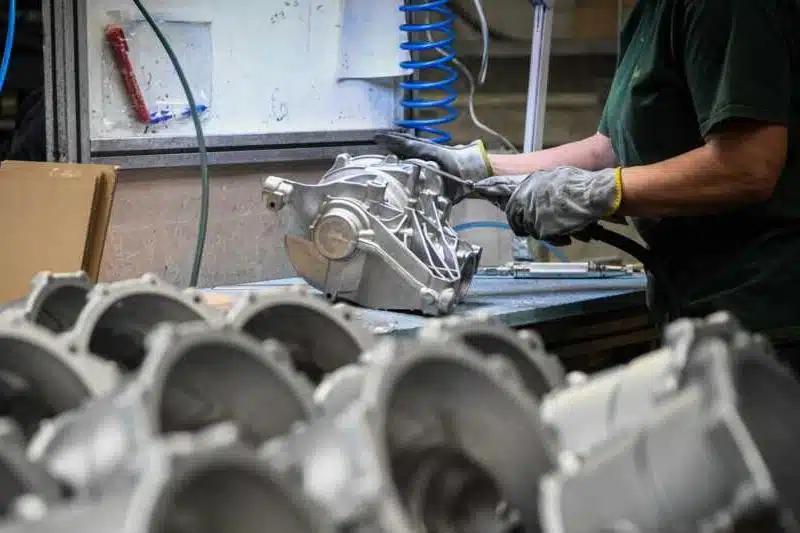
Engine and transmission components
Automakers use die casting to manufacture engine and transmission components. These parts require extreme precision and must withstand daily high temperatures, vibrations, and stress. Die casting produces dimensionally accurate and durable covers, housings, and brackets. Engineers strength-test each component and use specialized tools to inspect its shape. Laser scanners help ensure each part is flawless. Aluminum alloys make the parts lighter, helping cars save fuel and reduce pollution. Magnesium alloys are even lighter and are often used in high-performance sports cars.
Engine and transmission components need to be strong, durable, and dimensionally precise. Die casting produces smooth shapes, improving vehicle performance.
Die Casting Structural and body parts
Die casting is used to manufacture many of a car’s body and frame components. Aluminum alloy parts form the main structure of the car. These parts are lightweight and strong, helping to improve vehicle safety and performance. Manufacturers design robust components that connect perfectly with other parts to build a strong frame. Many body components manufactured through die casting are large, thin-walled, and complex in shape.
- Some body and frame components manufactured through die casting:
- Crossmembers
- Shock towers
- Door frames
- Battery housings
- Subframes
Die casting allows manufacturers to produce parts quickly and accurately. Precise dimensional measurements ensure each part fits perfectly.
Lightweight and performance parts
Automakers want to build lighter cars to save fuel and reduce CO2 emissions. Die casting helps create lightweight components using materials like aluminum and magnesium. Reducing a car’s weight by 100 kg can save approximately 0.5 liters of fuel per 100 km. Lighter cars are less expensive to operate and offer better driving performance.
| Material Type | Density (g/cm³) | Key Benefits | Applications |
|---|---|---|---|
| Aluminum | 2.7 | Strong, corrosion-resistant, good thermal conductivity | Automobiles, home appliances |
| Magnesium | 1.8 | Very lightweight | High-performance automotive components |
Brackets, mounts, and covers manufactured through die casting help improve vehicle speed and reduce fuel consumption. Manufacturers closely monitor the production process to avoid errors and maintain high quality.
Choosing die casting for manufacturing automotive parts means better car performance, lighter weight, and longer lifespan.
Benefits of die casting for automotive industry
Die Casting Precision and consistency
Die casting helps car manufacturers produce precisely shaped parts. These parts fit perfectly every time, maintaining high quality and reducing errors. When parts meet design specifications, cars perform better and last longer.
- Die casting can produce parts with high precision and repeatability.
- The process allows for tight tolerances, which are crucial for safety.
- Manufacturers can produce complex shapes with high accuracy, reducing subsequent machining processes.
MORELUX uses new technologies and strict quality control to produce die-cast products that meet international standards. Their commitment to precision helps automotive companies build reliable cars.
Efficiency and cost savings
Automotive companies choose die casting because it saves time and money. The process is fast, allowing for the rapid production of large quantities of parts. Most of the work is done by machines, so workers spend less time on each part.
| Advantage | Description |
|---|---|
| Cost-Effective | Aluminum is readily available and inexpensive, making it ideal for mass-producing parts. |
| Reduced Production Time | Fast casting means shorter production cycles and less waiting time. |
| Lower Assembly Costs | Lower Assembly Costs |
Die-cast parts are more durable than parts made using traditional methods. Fewer replacements mean more cost savings for automotive companies. The process utilizes almost all metal materials, resulting in minimal waste. This helps companies like MORELUX offer competitive prices without sacrificing quality.
Die Casting Design flexibility and innovation
Die casting allows car manufacturers to experiment with new designs. They can create lightweight parts with thin walls and complex shapes. Designers have greater freedom to test new ideas and improve car performance. Die casting enables engineers to create strong parts that can withstand stress and are more durable. This freedom contributes to innovation in both the appearance and functionality of cars. MORELUX offers custom project services to help automotive companies bring new ideas to life using their die-casting products.
Die casting helps reduce fuel consumption, lower costs, and improve quality in automobiles. Companies like MORELUX achieve these advantages by adopting new technologies and strict quality control.
Challenges in automotive die casting
Die Casting Limitations and quality control
Automotive die casting faces several challenging issues. These issues can reduce the strength and reliability of the parts. Manufacturers must address problems such as porosity, cold shuts, and surface defects. These problems can lead to reduced casting strength and shorter service life. Quality control is crucial at every stage. Relevant regulations specify the materials companies should use and how testing should be conducted. These regulations help companies ensure the safety and quality of the parts.
| Challenge | Description | Solutions |
|---|---|---|
| Porosity | Tiny voids within the part reduce its strength. | Improved mold design, careful cooling, vacuum die casting. |
| Cold Shuts | Molten metal fails to fuse completely, resulting in weak points. | Temperature control, adjustment of injection speed, modification of mold design. |
| Surface Defects | Dirty molds or operational errors lead to rough surfaces or marks. | Good release agents, clean molds, precise injection operation. |
| Thermal Fatigue and Mold Wear | High temperatures damage the mold and cause defects. | Use of high-strength materials, good thermal control, regular inspections. |
| Inconsistent Mechanical Properties | Parts have varying strength and hardness. | Improved processes, selection of appropriate alloys, thorough testing and inspection of parts. |
Manufacturers use intelligent computer tools and strict specifications to prevent problems before parts are manufactured. Teams use the 8D method to solve problems, striving for zero defects. Non-destructive testing checks whether parts are strong enough and perform well.
Die Casting Sustainability and environmental impact
Manufacturing cars in an environmentally friendly way is becoming increasingly important. Die casting technology contributes by reducing energy consumption and waste generation. Aluminum die casting consumes less energy than other methods, resulting in less pollution. Precise casting processes mean less material waste, saving energy and reducing the carbon footprint. Companies recycle aluminum to achieve circularity, making parts more environmentally friendly.
New machines and vacuum die casting technology save energy and reduce waste. Better alloys help make the process more environmentally friendly. Manufacturers are committed to recycling and energy conservation to protect the environment.
Key Sustainable Practices in Automotive Die Casting:
- Using recycled metals
- Energy-efficient machines
- Reducing waste through precision casting
- Using new alloys to create better parts
Future trends in automotive die casting
The automotive industry is constantly evolving, and new die casting concepts are emerging. Electric vehicles require lighter parts and new designs. Manufacturers are using aluminum instead of steel to help cars reduce fuel consumption and pollution. High-pressure die casting technology allows manufacturers to quickly and reliably produce large, complex parts.
- Automotive manufacturers prefer large die-cast parts to simplify the car manufacturing process.
- New alloys help create better, stronger parts.
- 3D printed tools and digital twin technology help reduce errors and save energy.
- Intelligent machines and computer inspection make parts more reliable and efficient.
Better materials and technologies are helping to solve problems and create more environmentally friendly cars. The use of lighter materials and faster part manufacturing methods will change how die casting operates in the future.
Die casting technology helps manufacture cars in new ways. It produces lightweight, strong, and complexly shaped parts. These parts are all meticulously manufactured. Companies like MORELUX use intelligent machines and conduct frequent quality checks.
- Die casting helps reduce material usage and ensures part consistency.
- Using aluminum and magnesium helps cars save fuel and reduce pollution.
- Giant castings make car bodies easier and cheaper to manufacture.
| Benefit | Description |
|---|---|
| Weight Reduction | Casting makes cars lighter and helps improve performance. |
| Design Flexibility | Die casting allows manufacturers to experiment with new shapes and designs. |
| Improved Fuel Efficiency | Lightweight cars manufactured through casting consume less fuel and reduce pollution. |
Electric vehicles require new casting technologies. The automotive industry is experimenting with new materials and designs to comply with regulations and protect the environment.
FAQ
Why is die casting so important to car manufacturers?
Die casting helps car manufacturers obtain strong and lightweight parts. These parts fit well and are durable. Cars can save fuel thanks to die casting technology. Manufacturers use this process to create safe and high-performing cars.
Which metals are best for automotive die casting?
Aluminum, zinc, and magnesium are the best choices. Aluminum makes parts lightweight and strong. Zinc is suitable for small, precise parts. Magnesium is the lightest metal and is suitable for high-performance cars.
How does MORELUX ensure die casting quality?
MORELUX uses intelligent machines and monitors every step. Their team closely monitors the entire process. They test each part to meet international standards. Customers receive consistently strong and reliable parts.
Can die casting help car manufacturers save costs?
Die casting can manufacture parts faster and reduce waste. Manufacturers can use less metal and fewer processes. This helps reduce costs and brings more profit to automotive companies.