
Aluminium high pressure die casting is a manufacturing process that involves injecting molten aluminum into a steel mold at high speed and under significant force, producing parts that are strong, dimensionally precise, lightweight, and durable. Companies like MORELUX apply advanced technology and rigorous inspections to ensure top quality. This casting method plays a vital role in large-scale industrial manufacturing, and the aluminum die-casting market continues to expand each year, with pressure die casting accounting for the majority of revenue—particularly driven by the automotive sector. The growing demand for lighter vehicles has further increased the need for aluminum components in transportation.
Key Takeaways
- Process: A fast manufacturing process that uses high pressure to inject molten aluminum into steel molds (dies).
- Product Qualities: Creates parts that are strong, lightweight, dimensionally accurate, and have excellent surface detail.
- Key Industries: Widely used in the automotive and electronics sectors.
- Material Benefits: Aluminum offers natural corrosion resistance and high thermal conductivity.
- Quality Control: Modern technology is used to rigorously inspect parts and ensure high standards.
- Market Trend: The die casting market is growing rapidly due to increasing demand for lightweight components in vehicles and other applications.
Aluminium High Pressure Die Casting Explained
How the Process Works
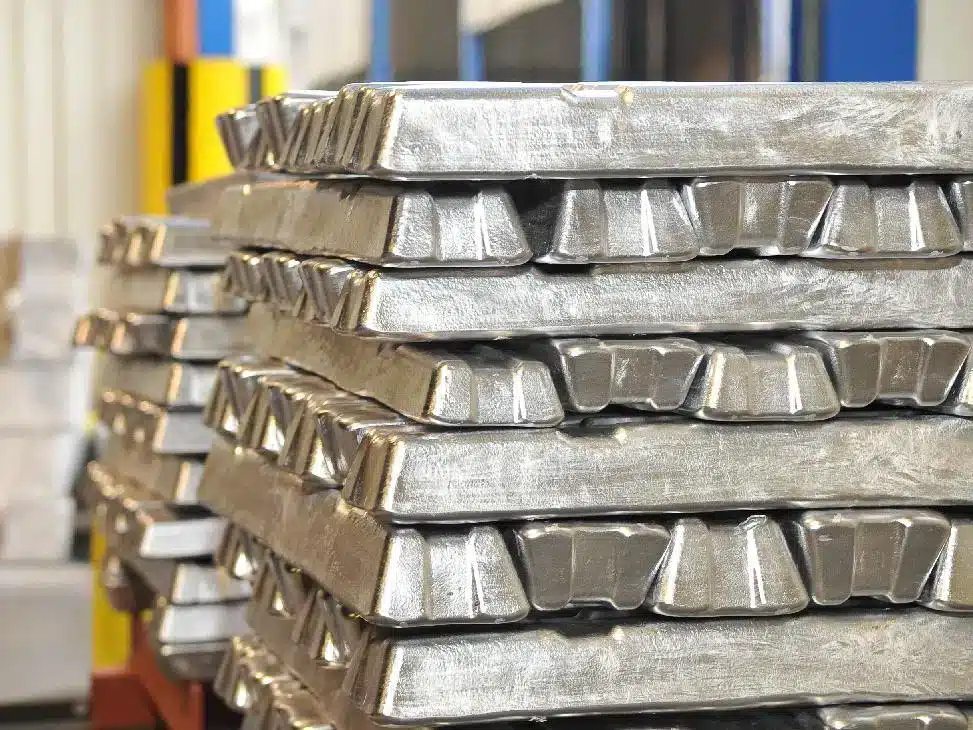
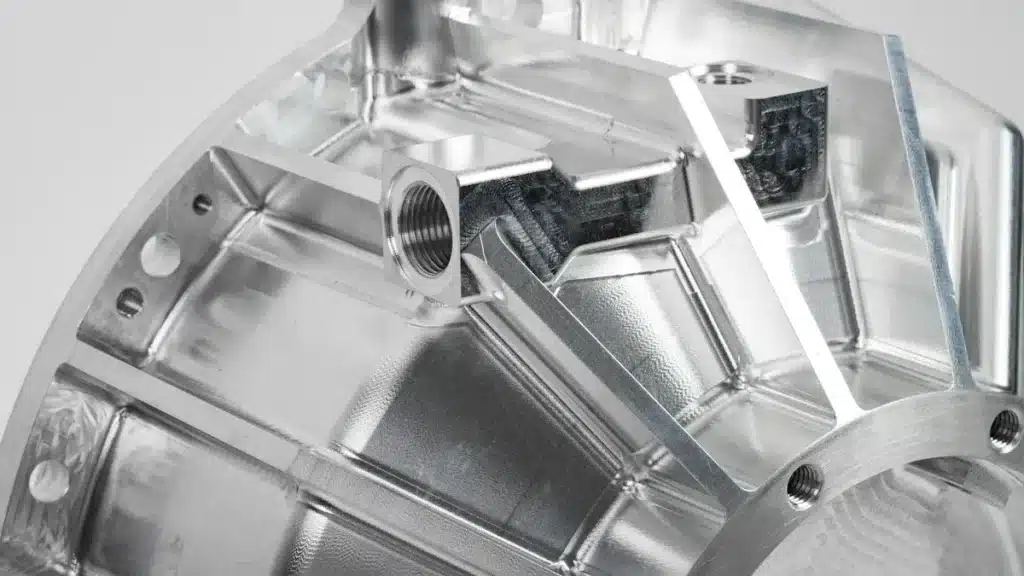
Aluminium high pressure die casting is a way to make parts that are strong and light. First, engineers design a mold using computers. The mold is made from tough steel. Workers heat aluminum ingots until they melt. Machines push the hot aluminum into the mold fast and with a lot of force. The metal fills every space in the mold. The aluminum cools and gets hard quickly. Workers open the mold and take out the solid part. They cut off extra bits. The last steps are making the surface smooth and checking the part to make sure it is good.
Many factories use smart machines to control each step. Companies like MORELUX use computers to help design the mold and check how the metal flows. This helps make parts with tricky shapes and smooth surfaces.
What Makes It Unique
Aluminium high pressure die casting is special because aluminum has great features and the process uses careful checks. Aluminum is light, strong, and does not rust easily. These things make it good for car parts, electronics, and other products.
Here are some reasons why aluminum is a good choice:
| Property | Description |
|---|---|
| Lightweight | Aluminum is not heavy, so it is easy to use and lowers weight. |
| Excellent Corrosion Resistance | Aluminum does not rust easily, so it lasts longer. |
| High Thermal Conductivity | Aluminum moves heat well, so it works for many uses. |
| Good Machinability | Aluminum can be shaped and finished exactly as needed. |
Careful quality checks also make this process special. Top companies like MORELUX plan checks before making parts. During production, they watch for problems using cameras and computers. After making the parts, they test size, strength, and surface. These steps help save money and reduce waste. They also make sure every part is high quality.
| Quality Control Stage | Key Activities |
|---|---|
| Pre-Production Quality Planning | Planning checks, studying risks, and making sure the process works well. |
| In-Process Quality Control | Watching the process, using cameras, and checking heat. |
| Post-Production Testing | Checking size, using X-rays, testing strength, and looking at the surface. |
| Benefits | Less waste, more good parts, lower costs, better quality, faster work, and less fixing needed |
Note: Aluminium high pressure die casting uses aluminum’s best features, smart machines, and careful checks. This makes it a great way to make strong and good parts for many industries.
Aluminum High Pressure Die Casting Process
Mold Preparation
Engineers start by designing the mold for the part. They use computers to make a 3D model of the part and the mold. The design has special features like draft angles and parting lines. When the design is ready, workers make the mold from strong steel. The mold has two pieces that fit together to make space for the hot aluminum.
Before casting, workers spray a special oil on the mold. This oil helps control heat and makes it easy to remove the part. Engineers also think about how hot the metal gets, how much it shrinks, and how it flows. They add cooling channels, gates, and ejection parts to help the process work well.
CAD and flow simulation help engineers find problems before making the mold. These tools help them make the design better and reduce mistakes.
Injection and Solidification
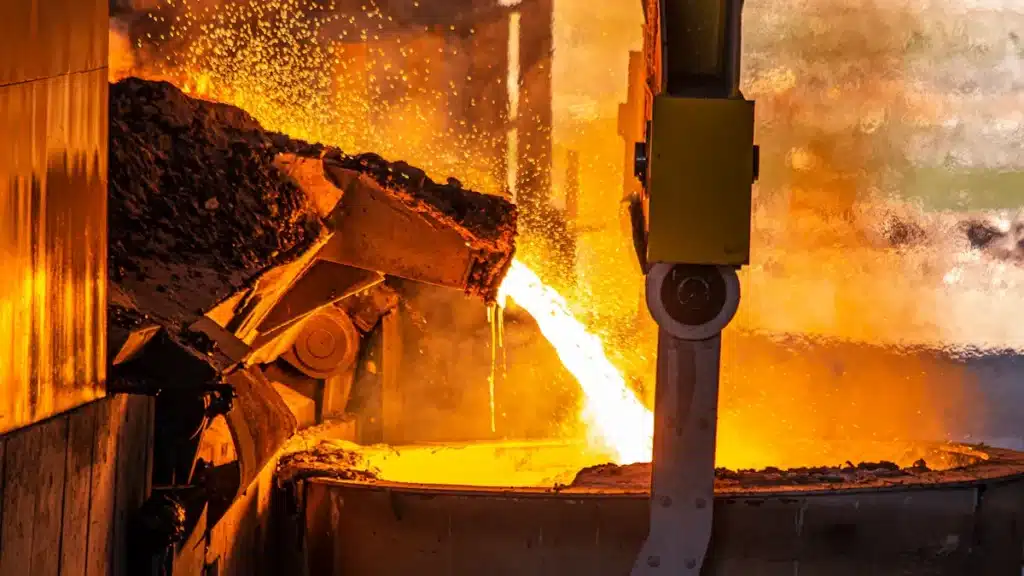
Workers melt the aluminum alloy until it is hot enough. They pour the melted metal into a cold chamber machine. A strong plunger pushes the aluminum into the closed steel die with high pressure. The pressure is between 7,000 and 40,000 psi. This fills the mold fast and makes the shape right.
Robots help a lot in this step. Robots spray oil, take out parts, and watch the process. Industry 4.0 technology lets workers see what is happening right away and change things if needed. This makes the process more exact and helps stop mistakes.
Ejection and Finishing
When the aluminum gets hard, the machine opens the mold and pushes out the part. Robots often take out the part to keep things quick and safe. Workers or machines cut off extra bits like runners or flash.
Finishing steps make the part look and work better. Some common ways are polishing, vibratory finishing, shot blasting, and anodizing. Polishing makes the part shiny. Vibratory finishing smooths the edges. Shot blasting cleans the part and gets it ready for coatings. Anodizing puts on a layer that protects the part from rust and damage.
Real-time checks and cameras help make sure every part is good before it leaves the factory.
Key Benefits of Aluminum High Pressure Die Casting
Manufacturing Benefits
Aluminum high pressure die casting has many good points for making parts. This process is fast and works well. Factories can make thousands of parts quickly. Each cycle only takes a few seconds. The table below shows how this method is faster than other ways:
| Casting Method | Cycle Time |
|---|---|
| High-Pressure Die Casting | Fast (seconds) |
| Low-Pressure Die Casting | 1–3 minutes |
| Gravity Die Casting | 2–5+ minutes |
This quick speed helps companies fill big orders. It is very helpful for car factories.
Another big benefit is that parts are very exact. Special molds and careful steps help keep tight sizes. The table below shows what results you can get:
| Characteristic | Die Casting (As-Cast) | After CNC Finishing | Description |
|---|---|---|---|
| Dimensional Accuracy | ±0.2 mm | ±0.05–0.10 mm | Parts are almost the right shape, CNC makes them even better |
| Surface Roughness (Ra) | 1.0–2.5 µm | 0.4–1.6 µm | Surfaces are smooth, CNC can make them shiny |
Aluminum high pressure die casting can make tricky shapes and thin parts. Engineers can design parts with lots of details. Other ways cannot do this as easily. This saves time and means less extra work is needed.
Note: This way works best for making lots of parts. The tools cost a lot, so it is not good for small jobs or test parts.
Industry Uses
Many businesses use aluminum high pressure die casting because it has special benefits. Car makers use it for engine blocks, transmission cases, and strong parts. These parts must be light, strong, and made just right.
Electronics and phone companies use this process too. They make die cast heat sinks for LED lights. These help keep things cool and make them last longer. They also make aluminum covers for 5G gear. These covers block signals and keep out rain.
Medical companies use this way to make parts that need to be exact and tough. It helps make small, detailed pieces for tools and machines.
There are some problems. Sometimes tiny air bubbles, called porosity, can happen if things are not done right. The tools cost a lot, so this way is best for making many parts. For really big parts, other ways might be cheaper.
Tip: Good mold design and careful steps help stop porosity and make better parts.
The history of die casting manufacturing
Die casting has been around for a long time. It started in the late 1830s. People first used die casting to make printing press parts. These parts helped more people get newspapers and books. By the 1880s, factories used die casting for many things. This showed that die casting was very useful and could do a lot.
Engineers made the process better over the years. They learned how to make shapes that were harder to build. High-pressure die casting was a big new idea. This way helped factories make parts with more detail and better fit. It also made making parts faster and easier. Now, companies could make thousands of parts quickly.
Today, die casting keeps changing. New materials make parts strong and light. Robots and machines help factories work faster and make fewer mistakes. Smart computers and sensors watch every step. These tools help workers fix problems before they get big. Many factories use Industry 4.0 technology now. This means smart machines, data checks, and watching things in real time.
Die casting started with simple printing parts. Now it makes advanced parts for cars, electronics, and medical tools. The process gets better as new technology comes out.
The table below shows some big changes in die casting:
Now, die casting is looking at a future with smarter and greener factories. New ideas and tools help make the process better for people and the Earth.
Aluminum Die Casting Alternatives
Aluminum high pressure die casting is not the only way to make metal parts. There are two other common ways. These are sand casting and investment casting. Each way has its own good points and best uses.
Sand casting
Sand casting uses a mold made from packed sand. Workers pour hot aluminum into the sand mold. The metal cools and gets hard. Then, workers break the mold to get the part out. Sand casting is good for making big or simple parts in small amounts.
The table below shows how sand casting and high pressure die casting are different:
| Aspect | High-Pressure Die Casting | Sand Casting |
|---|---|---|
| Initial Investment | High | Low |
| Production Suitability | Large-scale runs | Small to medium runs |
| Surface Finish | Smooth, less machining needed | Rougher, more finishing needed |
| Design Complexity | Very detailed shapes possible | Simple to moderate shapes |
| Unit Cost (High Volume) | Very low | Moderate to high |
Sand casting costs less at the start. It does not need expensive steel molds. This makes it a good choice for test parts or small batches. But, the surface is rougher and needs more work to finish. Sand casting also takes longer for each part.
Sand casting makes more waste than die casting, but aluminum scrap can be used again.
Investment casting
Investment casting is also called lost-wax casting. It uses a wax model covered in ceramic. Workers melt out the wax and pour in hot metal. The ceramic shell breaks off after cooling. This leaves the finished part. This way makes very detailed and exact parts.
The table below shows how investment casting and high pressure die casting compare:
| Aspect | Investment Casting | High Pressure Die Casting |
|---|---|---|
| Design Versatility | Very high, complex shapes | High, but less versatile |
| Surface Finish | Very smooth, near-net shape | Smooth, may need less finishing |
| Dimensional Precision | Excellent | Good |
| Production Volume | Low to medium | High |
| Lead Times | Longer | Shorter |
| Labor Intensity | High | Low, automated |
Investment casting works best for parts with fine details or special metals. Aerospace and medical companies use this way a lot. It takes more time and work, so it is better for smaller amounts.
Investment casting lets you use more types of metal, but high pressure die casting is faster and better for making lots of parts.
Both sand casting and investment casting are other ways to make parts instead of high pressure die casting. The best way depends on the part’s size, shape, and how many you need.
Aluminum high pressure die casting helps factories in many ways. Companies like it because it is fast and makes parts that fit well. It can also make parts with tricky shapes. The table below shows why this way is important for many businesses:
| Key Benefit | Description |
|---|---|
| Lightweight Nature | Aluminum parts can be 30% lighter than steel. |
| Cost-Effectiveness | Making lots of parts keeps the price down. |
| Complex Designs | Aluminum can be used to make detailed shapes. |
| High Efficiency | Fast work means less waste and more parts made. |
| Market Growth | More people want these parts, and the market could be over $78 billion by 2027. |
Companies like MORELUX use strong checks and new machines. This helps them make good die-cast parts for all kinds of jobs.
FAQ
What is aluminum high pressure die casting used for?
Aluminum high pressure die casting helps make parts for cars, electronics, and medical tools. Factories use this way to make parts that are strong, light, and have lots of detail.
How does high pressure die casting differ from sand casting?
| Feature | High Pressure Die Casting | Sand Casting |
|---|---|---|
| Speed | Very fast | Slower |
| Surface Finish | Smooth | Rougher |
| Detail Level | High | Moderate |
Why do manufacturers choose aluminum for die casting?
Aluminum does not rust easily, is not heavy, and can handle heat. These things make it a great pick for many businesses.
Can aluminum die cast parts be recycled?
Yes! Aluminum die cast parts can be melted down and used again. Recycling uses less energy and helps keep the Earth clean.