

Die casting refers to a manufacturing process where a metal part is created by injecting melted metal into a steel die under high pressure. This method is crucial for producing components that are precise, robust, and intricately detailed, all while ensuring rapid production. The die casting process shapes metals such as aluminum, zinc, and copper into forms that meet specific customer requirements. It employs specialized dies and maintains consistent quality for applications in industries like automotive and electronics.
The global die casting market was valued at USD 73.3 billion in 2025, with the Asia Pacific region accounting for over 54.3% of the market share.
MORELUX leverages advanced HPDC technology and machinery to deliver superior manufacturing die casting solutions, including copper die-casting and alloy die casting options.
Key Takeaways
Die casting is a way to make metal parts. It uses melted metal pushed into a steel mold with high pressure. This process helps make parts that fit exactly right.
Aluminum, zinc, and copper are metals often used in die casting. Each metal has special features for different uses.
Die casted parts are very exact and have smooth surfaces. They can be made into shapes that other methods cannot do.
Car, airplane, and electronics companies use die casting. They need strong and light parts that must be high quality.
Picking the best alloy for die casting depends on what the part does. It also depends on cost and how many parts are needed. This helps the parts work well and saves time and money.
Die Casted Meaning
Definition in Alloy Die Casting
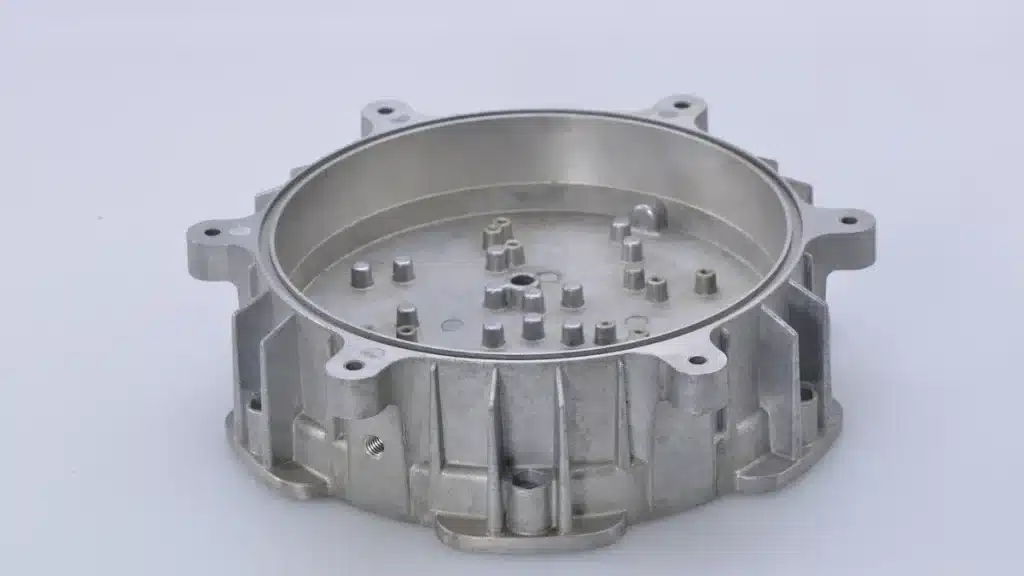
“Die casted” means a part is made by pushing melted metal into a reusable die with high pressure. In alloy die casting, workers use metals like aluminum, zinc, and copper. These metals help make parts with exact shapes and smooth surfaces. There are two main die types: hot chamber and cold chamber. Each die type fits the metal’s needs. The die works like a mold. It shapes the metal as it cools and gets hard.
Die casted parts must follow strict rules. Engineers check if the parts are strong enough. They test them with machines and math formulas. They use special computer programs to improve designs. Physical tests make sure every part is good enough for use.
The table below shows important facts about die casted parts in alloy die casting:
Aspect | Description |
|---|---|
Process | Melted alloys are pushed into steel dies to make exact metal parts. |
Die Types | Hot chamber or cold chamber dies are used for different metals. |
Material Properties | Common alloys are Aluminum, Zinc, Magnesium, Brass, and Copper. They are strong. |
Structural Integrity | Parts are checked with tests to make sure they are safe and meet standards. |
Die casted parts are special because they are very accurate. The pressure helps make thin walls and tricky shapes. Other casting methods cannot do this. Alloy die casting makes parts with smooth surfaces and tight measurements.
Usage in Manufacturing
Many industries use die casted parts. Alloy die casting helps make lots of parts for cars, planes, electronics, and buildings. Car makers use die casted gears, pistons, and covers because they are strong. Plane engineers pick die casted aluminum for light and strong parts. Electronics makers use die casted covers and connectors to protect devices.
Die casting makes parts with thin walls and tiny details.
This process is more accurate than sand casting.
Alloy die casting is good for making many parts and different shapes.
Die casting has a long history in factories. In 1838, people made die casting tools for printing. In 1849, the first patent for a hand die casting machine was made. Ottmar Mergenthaler’s Linotype machine in 1885 used die casting to make lines of type. In the 1800s, die casting grew to make things for homes and appliances. This helped lower costs.
The table below shows where die casted parts are used:
Industry/Product | Applications/Uses |
|---|---|
Automotive | Vehicle parts that need to be strong |
Recreational | Parts for fun vehicles and equipment |
Medical | Tools and machines for doctors |
Alternative Energy | Parts for energy systems |
Electrical | Electrical parts that need to carry electricity |
Transportation | Parts for different vehicles |
Aerospace | Strong parts for airplanes |
Chemical Processing | Machines for making chemicals |
Plumbing | Tough parts for plumbing |
Petroleum | Parts for oil and gas industry |
Die casting is still a top choice for companies. It helps make lots of metal parts quickly and reliably. Alloy die casting makes sure every die casted part is ready for today’s factories.
Die Casting Process
High Pressure Die Casting (HPDC)
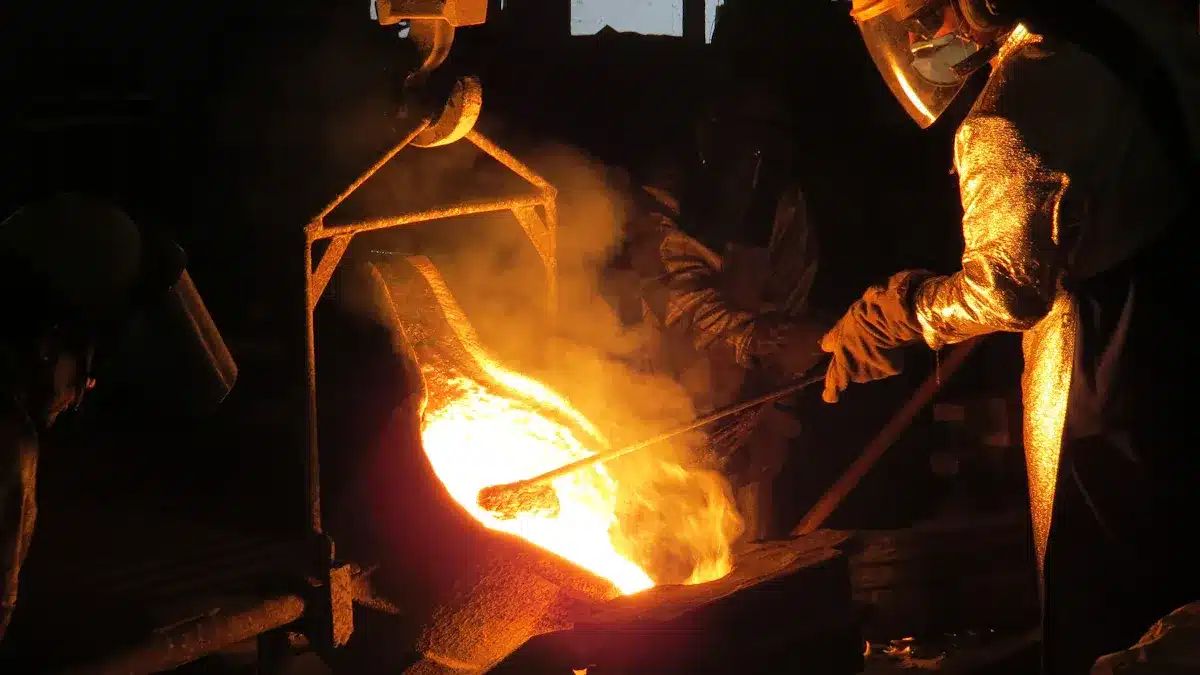
High pressure die casting is a top way to make metal parts. It uses a steel die and pushes melted metal in with strong force. The pressure can be from 10 to 200 MPa. This step makes the metal stronger and removes air bubbles. It works faster and gives more detail than sand or gravity casting. Factories use it to make lots of exact parts. MORELUX uses smart machines and robots for each step. These tools help keep every part good and the process steady.
Aspect | High Pressure Die Casting (HPDC) | Low Pressure Die Casting (LPDC) |
|---|---|---|
Speed and Volume | Makes many parts quickly | Makes fewer parts, focuses on quality |
Part Strength | Strong, but may have tiny holes | Very strong, no holes |
Applications | Used for parts that do not hold weight | Used for parts that hold weight |
Ideal Use Case | Good for tricky shapes and fast making | Good for strong parts, no holes |
Mold Preparation & Injection
Die casting starts with getting the mold ready. Workers clean and oil the die so metal moves easily. They set up paths for the melted metal to flow. Machines help cool and oil the die to make it last longer. Robots put in metal and take out finished parts. This makes things quicker and safer. During injection, machines push melted metal into the die with high force. This fills every space and shows tiny details. The metal cools fast inside the die. This helps the part stay strong and keep its shape.
Step | Description | Contribution to Quality |
|---|---|---|
Mold testing and preparation | Oil and check the die | Helps metal move well, better parts |
Preparation of molten metal | Melt and check the metal | Same parts, less mistakes |
Injection of molten metal | Push metal in with high force | Fills all spaces, exact size |
Cooling and solidification | Cool metal inside the die | Strong shape, good build |
Mold opening and removal | Open die, take out part | Keeps part safe |
Post-treatment | Clean and finish the part | Smooth look, better quality |
Heat treatment | Heat the part for strength | Tough, lasts longer |
Precision & Repeatability
Die casting makes parts that are very exact. The steel die shapes every part to the right size. High pressure helps fill the die all the way. This means parts can be almost perfect, within ±0.005 inches. The process also makes smooth surfaces, so less fixing is needed. Smart cameras and computers check for mistakes early. MORELUX watches heat and pressure all the time to keep parts the same. This is why die casting is great for making lots of detailed metal parts.
Die casting uses metal molds for better accuracy.
The process gives smooth finishes and needs less fixing.
Factories can make many parts that look and work the same.
Alloy Die Casting Materials
Aluminum Die Casting
Aluminum die casting is a popular choice for many companies. MORELUX uses aluminum to make strong and light parts. Aluminum alloys like 380.0, 413, 390, and 360 are common. These alloys are strong, light, and do not rust easily. Aluminum die casting can make thin walls and tricky shapes. This is important for cars, planes, and electronics. Aluminum is used a lot because it meets tough quality rules.
Aluminum die casting makes parts that fight heat and rust. These parts stay strong and keep their shape in hard places.
Advantages of Aluminum Alloys in Die Casting | Description |
|---|---|
Lightweight | Makes cars and planes lighter. |
Corrosion and heat resistance | Stays strong in tough places. |
Versatility | Can be shaped in many ways. |
Zinc & Copper Alloys
Zinc and copper alloys are also important in die casting. Zinc melts at lower temperatures, so it is easy to shape. Zinc fills small spaces in the die and makes exact parts. Zinc die casting costs less and gives smooth surfaces. Copper alloys make zinc parts stronger and harder. Both zinc and copper alloys do not rust and carry electricity well. This helps in electronics and electrical parts.
Zinc and copper alloys can make thin and tricky shapes.
These alloys are used for medical tools, electronics, and car connectors.
Using zinc and copper alloys helps the die last longer and need less fixing.
Property | Zinc Alloys | Aluminum Alloys |
|---|---|---|
Melting Point | 380–420°C | ~700°C |
Fluidity | Fills thin spaces very well | Fills up to about 1.5mm |
Casting Pressure | Lower, about 2,000 psi | Higher, up to 15,000 psi |
Dimensional Tolerance | ±0.001–0.002 in | ±0.003–0.004 in |
Tensile Strength | 21,000-36,000 psi | 30,000-60,000 psi |
Typical Applications | Small, thin parts | Car parts, heat sinks |
Cost | Costs less to make | Costs more to make |
Material Selection Factors
Picking the right alloy for die casting depends on a few things. Engineers think about how the part will be used, the price, and how many parts are needed. Aluminum die casting is good for making lots of car and plane parts. Zinc die casting is better for small and detailed electronic parts. Copper alloys are picked for parts that need to be extra strong or carry electricity.
What the part needs to do: The alloy must fit the job, like aluminum for car parts.
Cost: Some alloys are cheaper for big jobs.
How many parts: Aluminum is used for lots of parts.
Environment: Recyclable alloys help cut down on waste.
MORELUX makes aluminum, zinc, and copper alloy castings for many industries. Their team makes sure each die and alloy fits what car, plane, electronics, and medical companies need.
Benefits & Applications
Advantages of Die Casted Parts
Die casting gives many good things to factories. The process uses a die and high pressure to shape melted metal. This makes parts with exact sizes and smooth surfaces. These smooth parts need less fixing after they are made. Factories can make lots of parts fast because die casting does not take long. This helps save money when making many parts. Die casting can make hard shapes and thin walls that other ways cannot do. Cast aluminum parts have the same inside structure and strong features. They do not change much in hot or cold places. They last longer in tough spots. These benefits make die casting a great choice for companies that need strong and exact parts.
MORELUX checks every die casted part with smart systems. Their team makes special plans for each customer.
Common Uses in Industry
Many companies use die casting for important products. Die cast aluminum is used more as people want light and strong things. Car makers use die cast aluminum for engines, gear cases, and wheels. Airplane companies need die cast parts for frames and controls. Electronics makers use die cast aluminum for covers and connectors. The table below shows where die cast aluminum is used.
Application Area | Description |
|---|---|
Automotive Components | Light and strong parts help cars use less fuel. |
Aerospace and Defense | Exact and tricky metal parts for planes. |
Consumer Electronics | Covers and connectors for phones and tablets. |
Die casting helps make many things with die cast aluminum. It is very important in today’s factories.
Limitations & Considerations
Die casting has some things to think about. Making a die costs a lot, so it is best for making many parts. Companies must design parts that come out of the die easily and use less metal. Air bubbles can hurt the part’s quality, so workers watch for this. The table below lists things to watch out for in die casting.
Limitation/Consideration | Description |
|---|---|
High Cost of Dies | Making dies costs a lot, so it is not good for small jobs. |
Porosity Generation | Air bubbles can form and lower part quality. |
Unsuitable for Low Volume | Die casting is not good for making just a few parts. |
Designers must think about lines, shrinking, angles, wall thickness, and rounded edges. These things help make sure the part works well and comes out of the die easily.
Die Casting Misconceptions
Die Casted vs. Other Methods
Some people think die casting is just like other ways to shape metal. This idea is not correct. Die casting uses a die and high pressure to shape melted metal. Other methods, such as die forging, press metal into shape with force. Each way costs different amounts and works at different speeds. The results are not the same.
The table below shows how die casting and die forging are different:
Method | Initial Tooling Cost | Material Efficiency | Overall Cost Impact |
|---|---|---|---|
Die Casting | Lower for simple shapes, higher for complex | More waste due to sprues and runners | Can be offset by lower initial costs |
Die Forging | Higher due to specialized dies | Less material waste, closer to final shape | Higher initial costs but more efficient over time |
Die casting is fast. Factories can make lots of parts quickly. Die forging also makes parts fast, but needs more setup time. The table below shows how fast each method works:
Method | Production Speed | Cycle Time Characteristics |
|---|---|---|
Die Casting | Fast, can rival forging | Cycle times vary, quick for simple parts |
Die Forging | High production rates | Short cycle times once set up |
Die casting uses a die to make parts with random grain inside. Die forging makes parts with finer grain and better strength. The table below explains this difference:
Method | Grain Structure | Strength Characteristics |
|---|---|---|
Die Casting | Random grain structure | Good strength but potential weaknesses |
Die Forging | Finer, uniform grain | Improved strength and ductility |
Die casting is great for making tricky shapes and smooth surfaces. The die helps show tiny details that other ways cannot do.
Quality & Durability Myths
Some people think die casted parts break easily or are not good quality. This is not true. Die casting makes strong parts when engineers use the right die and alloy. Many companies trust die casting for important things.
Real examples show die casting makes tough parts:
Case Study Description | Key Achievements |
|---|---|
Development of a high-performance aluminum engine block for electric vehicles | 30% weight reduction, superior heat dissipation, ±0.1mm accuracy |
Manufacturing of landing gear components for aircraft | AS9100 certification, zero porosity, fatigue resistance |
Design of optimized heat sinks for computing | 40% better thermal performance than standard designs |
Die casting helps make engine blocks that are light and strong. Landing gear parts for planes pass hard tests when made with die casting. Heat sinks for computers work better because the die shapes them for cooling.
Die casting uses a die to make parts with tight sizes.
The process makes parts that last in tough places.
Many companies choose die casting for good quality and trust.
People should know die casting, when done right, makes parts that are strong and last a long time.
Die casting is very important in making things today. This process uses a die to shape hot metal with strong pressure. It makes parts that are exact and tough. Many industries use die casting for hard shapes and steady results. Companies like MORELUX have lots of skill and special knowledge. They use smart ways to make sure every die casted part is made right. The table below shows how being skilled helps make better parts:
Expertise Area | Contribution to Quality and Reliability |
|---|---|
Specialized Knowledge | Helps make better designs and parts work well |
Vertically Integrated Solutions | Makes parts more alike and gets them ready faster |
Technical Experience | Keeps quality high and brings new ideas |
Die casting gives parts that work well, fit right, and last long. If you want parts you can trust, you should think about die casting for your next job.