

The disadvantages of squeeze casting include high cost, strict control, limited material selection, low throughput, and potential defects.
- Squeeze casting requires expensive equipment and maintenance.
- The process limits the types of alloys that can be used.
- Lower throughput is due to its longer cycle time compared to precision die casting, which can produce more parts per hour.
- Porosity and incomplete die filling can occur.
- Many manufacturers choose other processes for easier design changes.
Key Takeaways
- Squeeze casting needs costly machines and upkeep. This makes it expensive for factories.
- The process only works with some aluminum alloys and magnesium alloys. This can limit how products are designed.
- Squeeze casting cannot make big or tricky parts. Size and shape problems stop it. Companies may use other ways like precision die-casting.
Disadvantages of Squeeze Casting: High Costs
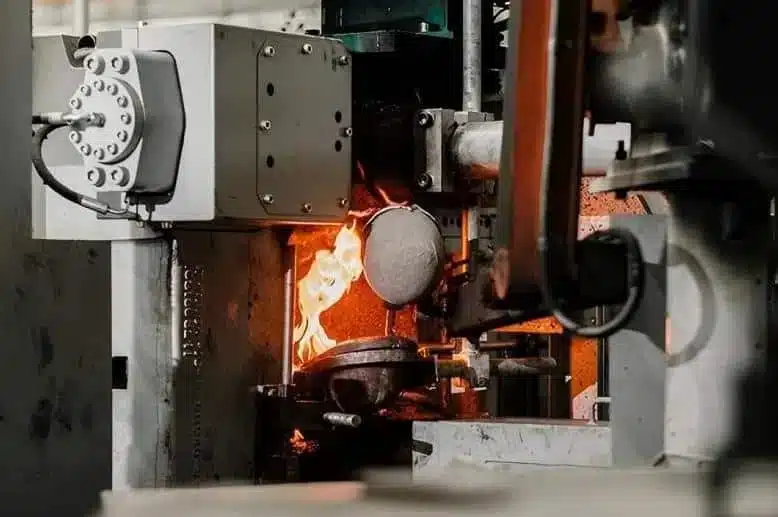
Expensive Equipment
Squeeze casting needs special machines and tools. Companies must spend a lot of money to start using squeeze casting. The first equipment costs are higher than regular die casting. This is because squeeze casting uses stronger machines and needs careful controls.
- The first cost for squeeze casting is more than for regular die casting because the tools and machines cost more.
- The die for squeeze casting costs more than gravity casting but less than closed-die forging.
- If you make a lot of parts, the cost per part can be good because there is less waste and fewer extra steps.
The price for squeeze casting machines can be very different. Some machines cost more than $500,000. Others are cheaper but still need a lot of money. The table below shows some common prices for squeeze casting machines:
| Machine Description | Price Range |
|---|---|
| High-Speed SC400HA Siemens S7-1500 Series Horizontal 4000Kn Die Casting Squeeze Machine | $200,000–$220,000 |
| Hot Money 280t Die Casting Machine Casting Machine | $9,063–$13,890 |
| 1600T Hydraulic Steering Wheel Die Casting Machine Aluminium Squeeze Cold Chamber Casting Machine | $522,250 |
| High Precision Electric Horizontal Auto Rail Transit Aviation Structural Parts Squeeze Die Casting Machine | $21,500–$23,000 |
| Green Sand Automatic Horizontal Parted Flaskless Shoot Squeeze Casting Molding Machine | $150,000–$160,000 |
Maintenance and Mold Costs
Squeeze casting also incurs ongoing costs. Factories must pay for machine maintenance and new molds. These costs add to already high initial costs, making squeeze casting potentially less than ideal if you’re looking to save money. Many automotive and aircraft manufacturers use squeeze casting to produce strong, lightweight parts. However, they must closely monitor the production process to avoid errors, which increases costs. Due to these issues, some companies are exploring alternative, less expensive, and easier-to-maintain methods.
Squeeze Casting: Material Limitations

Limited Alloy Selection
Extrusion casting is not suitable for all metals. Most companies choose aluminum and magnesium alloys. These metals are best suited for extrusion casting. Stainless steel, copper-based alloys, nickel-based alloys, high-temperature alloys, and titanium alloys are rarely used. These metals may cause problems such as porosity and difficulty in achieving the desired density.
Note: Squeeze casting does not work with many alloys. This means companies cannot make every product they want. It is hard for industries that need special or many kinds of materials.
Thermal Limitations
The molds used in squeeze casting must be maintained within a specific temperature range. The operating temperature of the molds is between 190 and 315°C. This temperature limitation prevents the use of many metals with higher melting points. Therefore, squeeze casting is primarily used for high-strength aluminum alloys and aluminum-based composites.
| Aspect | Evidence |
|---|---|
| Material Types | Squeeze casting works for strong aluminum alloys and aluminum matrix composites. |
| Complexity of Part Shapes | Making very complex parts is hard. It can make more shapes than forging but has trouble with deep holes and thin walls. |
| Application Specificity | Used mostly for important parts in special markets like car safety and airplanes. |
Squeeze Casting Design and Size Limitations
Squeeze casting presents several challenges in parts manufacturing. It is not suitable for producing large or complex-shaped parts. These limitations limit its application in industries requiring specialized parts. Understanding these limitations helps companies choose the optimal manufacturing method.
Part Geometry Limitations
Squeeze casting is suitable for simple shapes and thick-walled parts. It is not suitable for thin-walled or complex-designed parts. Pressure must reach every part of the die. If the part has deep holes or curved surfaces, the die may not be able to fill completely. This can lead to weak points or defects in the part.
| Limitation Type | Description |
|---|---|
| Part Geometry Complexity | Hard to make complex shapes because pressure must spread everywhere. |
| Capability for Intricate Shapes | Not as good for tiny details as other ways. |
Size Limitations
Squeeze casting also cannot manufacture very large parts. The machines can only produce parts of appropriate dimensions. Large parts may not be suitable for squeeze casting. Each part requires a separate mold, which consumes more time and costs.
Engineers must consider how the metal moves within the mold. This makes manufacturing large or complex parts difficult.
Note: Squeeze casting is not good for making big or complex parts. Companies who want more choices often use precision die-casting.
Potential Drawbacks of Squeeze Casting
While squeeze casting can produce high-strength parts, several issues remain. These issues can reduce the reliability of the parts.
Porosity Issues
Porosity remains a concern in squeeze casting. If insufficient pressure is applied, tiny pores can form inside the part. These pores reduce the part’s strength and toughness. However, squeeze casting typically produces very little porosity. This is because the high pressure seals these pores, making the part denser, stronger, able to withstand greater stress, and with a longer lifespan. Automakers favor this process for manufacturing parts requiring high strength.
| Defect Type | Description | Prevention Methods |
|---|---|---|
| Porosity | Happens if there is not enough pressure during casting. | Use more pressure when other things are set right. |
| Blistering | Air or gas gets trapped and makes bubbles on the surface. | Remove gas from the metal, heat tools, close the die slowly, let air out, lower pouring temperature. |
| Cold laps | Hot metal covers cold layers but does not stick well. | Make the metal or die hotter, close the die faster. |
| Hot tearing | The part cracks when it cools and shrinks. | Lower the metal and die temperature, press longer, make bigger angles. |
| Sticking | The part sticks to the die if it is not cool or slippery enough. | Make the die or metal cooler. |
| Oxide formation | Bad handling lets air mix with the metal, mostly with Magnesium or Aluminum. | Use filters, pour the metal gently so it does not splash. |
Incomplete Filling
Another problem is incomplete mold filling. Mold temperature is crucial. If the mold temperature is too high, the metal cools very slowly, leading to voids and air bubbles. If the mold temperature is too low, the metal flow is poor, resulting in cold sealing and incomplete part filling. Both of these problems reduce the strength of the part. Parts with insufficient strength are prone to breakage, leading to customer dissatisfaction. The factory must check the production process to ensure that the parts meet quality standards.
Squeeze casting has some problems like high costs and limits on materials. It also has trouble with making special shapes. These problems can make it a bad choice for big or tricky projects. Companies should think about these things when picking a method:
- How the metal cools and hardens
- What machines are needed
- How hard the part is to design
- How many parts they need to make
| Advantages | Disadvantages |
|---|---|
| Parts are very dense | Machines cost a lot |
| Quality stays the same | The process needs strict control |
FAQ
Which industries most commonly use squeeze casting?
Automotive and aerospace companies use squeeze casting. They require parts that are strong yet lightweight. Electronics manufacturers sometimes also use squeeze casting to manufacture certain parts. Medical device manufacturers also choose this method to manufacture certain parts.
How does squeeze casting compare to precision die casting?
MORELUX’s precision die casting can produce more parts per hour. Squeeze casting can produce denser parts, but it has a limited range of materials and cannot create very complex shapes.
Does squeeze casting reduce defects in metal parts?
Squeeze casting helps reduce porosity and increase part strength. The factory must strictly control pressure and temperature to prevent the mold from not filling completely and to maintain a smooth surface.