
Surface treatment is crucial in the aluminium die casting industry, as it significantly impacts the appearance and strength of aluminum parts. Manufacturers utilize surface finishing for HPDC aluminum die casting components, enhancing their aesthetic appeal, applying protective coatings, and extending their lifespan. MORELUX stands out as a leader in developing innovative solutions for electronics die casting and telecom die casting. Effective surface treatment safeguards aluminum from damage and ensures that parts maintain their durability over time.
Key Takeaways
Surface treatment makes aluminum die casting parts look nicer and last longer. It helps them stay strong and look good for more time.
Some common ways to finish parts are anodizing, powder coating, and electroplating. Each way has its own good points like stopping rust and making parts look cool.
Picking the right finish depends on how you will use the part. You also need to think about where it will be used and how much money you have.
Good surface finishing keeps aluminum safe from rust and harm. It helps parts work well even when things get tough.
Talking to experts like MORELUX can help makers choose the best surface treatment for what they need.
Surface Finishing in the Aluminium Die Casting Industry
What Is Surface Finishing?
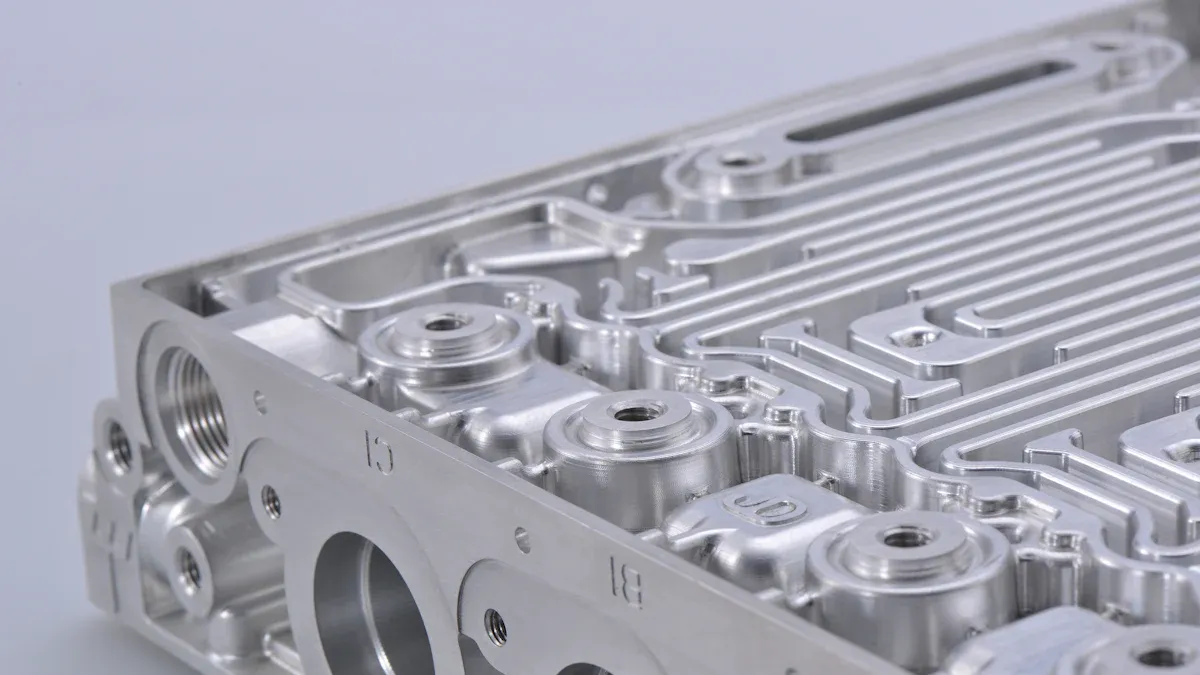
Surface finishing means changing how aluminum parts look and feel after casting. In this industry, companies use different ways to make each part better. These methods help parts look nice and work well. HPDC makes parts with exact shapes. Sometimes, the surface needs more work for special uses.
Some common surface finishing options are:
Bead blasting makes the surface even and not shiny.
Anodizing makes the oxide layer thicker and harder.
Plating puts a metal layer on for protection or decoration.
Powder coating gives a strong and lasting finish.
Painting adds color and protects the part more.
Polishing makes the surface smooth and bright.
Chromate conversion coating helps stop rust and helps paint stick.
Brushing gives the part a rough look.
Deburring takes away sharp edges.
E-coating helps stop rust very well.
These finishing choices help meet the tough rules in the aluminium die casting industry.
Why Surface Finishing Matters
Surface finishing is very important in this industry. It keeps aluminum parts safe from harm and helps them last longer. Many fields like cars, electronics, and medical tools need strong parts. Finishing methods like anodizing and powder coating help aluminum fight rust and look better.
MORELUX is a top company in HPDC and surface finishing. Their team picks the best ways to finish aluminum die casting parts. Good surface treatment helps parts stay strong, look good, and work well in hard places. Picking the right finishing method can really change the final product.
Common Surface Finishing Options for Aluminum Die Casting
Aluminum die casting parts use different surface finishing methods. These methods help the parts look better, last longer, and work well. Each finishing process gives aluminum casting a special look. It also helps meet the needs of cars, electronics, and medical devices. Here are the most common aluminum casting finishing options:
Shot Blasting
Shot blasting uses steel microspheres to clean aluminum die casting parts. This process takes away flash, dirt, and scratches. It makes the surface smooth and ready for coating or painting. Shot blasting also makes the inside of the metal better. It removes stress and makes the part stronger and harder. Many companies use this method before adding other coatings.
Shot blasting is important for cleaning aluminum casting surfaces. It helps parts look better and makes coatings stick well.
Applications in Industry:
Application Type | Description |
|---|---|
Cleaning and Surface Preparation | Used to clean and prepare metal surfaces before painting or coating. |
Deburring and Deflashing | Removes burrs and flash from cast and machined components. |
Strengthening Components | Improves fatigue strength of critical components like gears and springs. |
Anodizing
Anodizing is a popular way to finish aluminum casting parts. It makes a thick oxide layer on the surface. This layer helps stop rust and makes the part last longer. Anodizing can also give the part different colors. This makes aluminum casting parts look nice. The finish does not chip or crack because the oxide layer is part of the metal. Anodizing is good for the environment and gives electrical insulation for electronic parts.
Key Benefits of Anodizing:
Benefit | Description |
|---|---|
Exceptional Corrosion Resistance | The oxide layer acts as a barrier against moisture and chemicals, ideal for outdoor and marine uses. |
Enhanced Durability | The hard oxide layer resists abrasion and wear, achieving hardness values like tool steels. |
Aesthetic Versatility | Anodized aluminum can be dyed in many colors, offering better fade resistance than painted finishes. |
UV Stability | Properly sealed anodized surfaces resist fading from sunlight, suitable for automotive uses. |
Eco-Friendliness | Anodizing produces no VOCs and is energy-efficient. |
Electrical Insulation | Thick anodized layers provide electrical insulation for electronics. |
Cost-Effectiveness | Anodizing balances performance and cost, reducing maintenance and replacement expenses. |
Anodizing is used in cars, electronics, and buildings. It gives aluminum casting parts a strong finish and good protection.
Powder Coating
Powder coating covers aluminum die casting parts with dry powder. The powder sticks to the part and is baked to form a hard, smooth layer. This finish protects aluminum from scratches, rust, sunlight, and chemicals. Powder coating also comes in many colors and styles. This makes aluminum casting parts look more interesting.
Performance Improvements with Powder Coating:
Performance Aspect | Description |
|---|---|
Durability | Forms a strong, uniform protective layer that resists scratches, corrosion, UV rays, and chemical attack. |
Service Life | Extends the service life of die casting parts in harsh environments, reducing post-maintenance needs. |
Aesthetics | Offers a variety of colors, glosses, and surface effects to enhance visual appeal. |
Cost-effectiveness | Excess powder can be recycled, improving efficiency and reducing waste. |
Industries Using Powder Coating:
Industry | Application Description |
|---|---|
Automotive | Used for engine components, housings, and brackets. |
Electronics | Used for enclosures and heat sinks. |
Aerospace | Demands high durability for parts. |
Industrial Machinery | Relies on corrosion resistance for long-term performance. |
Painting
Painting is a common way to finish aluminum casting parts. It adds color and protects the surface. Painting hides lines or holes and makes the part smooth. It also keeps aluminum safe from water, sunlight, and scratches. This finish is easy to clean and helps save money on repairs.
Advantages of Painting:
Advantage | Description |
|---|---|
Enhance Corrosion Resistance | Forms a sealing coating that prevents moisture and pollutants from penetrating, extending service life. |
Improved Appearance | Hides parting lines or pores, creating a smoother surface with customizable colors and textures. |
Improved Durability | Provides resistance to scratches, abrasions, and UV rays. |
Reduced Maintenance Costs | Resists dust and is easy to clean, reducing maintenance frequency. |
Painting is used a lot in cars, electronics, and products people use every day.
Electroplating
Electroplating covers aluminum die casting parts with a thin metal layer. Metals like nickel, chrome, tin, and silver are used. Electroplating keeps aluminum safe from rust and damage. It also makes the part shiny and nice to look at.
Electroplating puts a metal coating like nickel or chrome on aluminum die castings.
This coating stops oxidation, which causes rust.
It also keeps aluminum safe from water and salt.
Electroplating is used in cars, electronics, and decorations where looks and protection are important.
Chromate Conversion
Chromate conversion is a chemical treatment for aluminum die casting parts. It forms a film that protects the surface. This coating helps stop rust and makes paint or powder coatings stick better. Chromate conversion is not expensive and is used in planes, cars, and electronics.
Key Point | Description |
|---|---|
Effectiveness | Chromate conversion coatings are highly effective as corrosion inhibitors. |
Mechanism | Chromate ions create a protective film that can self-heal defects. |
Comparison | No current alternatives match the corrosion inhibition effectiveness. |
Chromate conversion coatings meet strict rules like MIL-DTL-5541F and ASTM B921. They are needed for parts that need strong rust protection and a good base for other coatings.
Passivation
Passivation is a process that makes a thin, stable oxide layer on aluminum die casting parts. This treatment helps stop rust and makes the surface stronger. Passivation also helps other coatings stick better and makes aluminum casting parts last longer.
Benefit | Description |
|---|---|
Corrosion Resistance | Passivated parts show better corrosion resistance compared to bare aluminum. |
Surface Stability | Enhances the stability of the surface, making it more durable against environmental factors. |
Improved Coating Adhesion | Increases the reliability of adhesion for subsequent coatings like powder painting. |
Suitable for Harsh Environments | Valuable for parts exposed to humid, coastal, or industrial atmospheres. |
Passivation is used in medical devices, electronics, and parts that face tough conditions.
Chemical Treatments
Chemical treatments are ways to change the surface of aluminum die casting parts. These treatments can make the part look better, shine more, and fight rust. Some common chemical treatments are phosphating, alkaline polishing, and chemical polishing.
Treatment Type | Evidence |
|---|---|
Phosphating | Accelerators like guanidine nitrate enhance film formation; fluorides improve film weight. |
Alkaline Polishing | Additives in NaOH solution improve polishing effects, achieving up to 90% reflectivity. |
Chemical Polishing | New technology using phosphoric-sulfuric acid aims for zero NOx emissions and improved brightness. |
Anodic Oxidation | Neutral systems can form uniform, corrosion-resistant films with excellent hardness. |
Chemical treatments help get the surface ready for other coatings. They also make the final finish of aluminum casting parts better.
Picking the right aluminum casting finishing method depends on how you want the part to look, how much protection you need, and what the part will be used for. Each process gives aluminum die casting parts a special finish and helps them work better in their field.
How Surface Finishing Works and Its Benefits
Process Overview for Each Method
Aluminum die casting parts need many steps for a good finish. First, deburring takes away sharp edges and extra bits. Next, workers use a conversion coating to clean the aluminum. This step gets the part ready for more work. The last step uses methods like anodizing, painting, powder coating, or electroplating. These methods make the part stronger and look better.
Mechanical finishing uses tools or machines to change the surface. It does not change what the aluminum is made of. The main goal is to make the surface smooth and exact. Small grains and phases inside the metal affect the finish. People must know about the metal’s surface to get good results.
Key Benefits for Aluminum Parts
Surface finishing helps aluminum die casting parts in many ways. The finish makes the parts stronger and helps them last longer. Anodizing builds a tough oxide layer that stops rust. Passivation and e-coating also protect parts from harsh places. The finish makes the part look nice with many colors and a smooth look. Customers want their products to look neat and professional.
Benefit | Description |
|---|---|
Corrosion Resistance | The anodized layer blocks things that cause rust. This helps the part last much longer. |
Durability | Methods like anodizing and powder coating make parts stronger and last longer. |
Appearance | Anodizing gives many color choices and keeps the surface looking good. |
Protection | Coatings and treatments keep the surface safe from damage, water, and chemicals. |
Functionality | The finish helps the part work better, adding insulation or extra hardness. |
Typical Applications in Industry
Many industries use aluminum die casting with special finishes. Car companies use anodizing and powder coating for engine parts and brackets. Electronics makers pick anodizing for housings and heat sinks because it adds strength. Aerospace companies need strong finishes for parts that face tough jobs. Medical device makers use passivation and anodizing for long-lasting and safe parts. Electroplating gives a shiny look and extra protection for both pretty and useful parts.
Surface finishing makes aluminum parts stronger, last longer, and look better. It helps parts work well in tough jobs. The right finish protects the surface and stops rust.
Choosing the Right Surface Finishing Option
Factors to Consider
Picking the best surface treatment for aluminum casting takes planning. First, you need to know what the part will do and where it will go. Here are some steps to help you decide:
Figure out what the part is for.
Think about where the part will be used.
Decide if looks are important.
Set how much money you can spend.
Where will the part be used? Is it a car part under the hood that faces salt and heat? Or is it a handle on something used inside? The place where the part goes tells you how much rust protection is needed.
Who will see the part? Is it a cover that people will notice, or is it hidden inside? This helps you know if looks matter.
What is your budget? A simple finish costs less. A fancy paint job with many layers costs more. Price always matters.
The right surface finish keeps the aluminum casting safe and makes it better. Each method gives different good things to the final part.
Factor | How It Affects Surface Finishing Choices |
|---|---|
Cost | Some finishes cost more than others, so price affects what you pick. |
Appearance | Finishing can make parts look better to meet what people want. |
Corrosion Resistance | Protective layers from finishing help stop rust and make parts last longer. |
Matching Surface Finishing to Application Needs
Choosing a surface finish depends on what the part will do. Some finishes are best for outside parts. Others work better for inside or for looks. The table below shows common finishes and what they are good for:
Finishing Technique | Purpose |
|---|---|
Anodising | Makes a hard layer that resists wear and can look nice. |
Powder coating | Gives a strong, colorful layer in many styles. |
Chromating | Good for stopping rust or for electrical uses. |
Polishing or brushing | Makes the part look nice or gets it ready for other finishes. |
MORELUX helps people pick the best finish for their needs. Their team checks how the part will be used, where it will go, and how it should look. They suggest the best way to protect and improve each aluminum casting. Talking to experts helps make sure the final part is high quality and works well.
Picking the best surface finish for aluminum die casting is important. It helps parts last longer and work better. Each finish gives special benefits. The table below shows how each finish helps:
Surface Finish Type | Benefits |
|---|---|
Electroless Nickel Plating | Great at stopping wear and rust |
Anodizing | Very good at fighting rust and wear |
Powder Coating | Stops rust and chemical damage very well |
Good finishing keeps parts from rusting. It helps them last longer and fit their jobs. Makers should think about what they need. They should talk to experts like MORELUX. The best finish matches cost, strength, and looks for every use.