
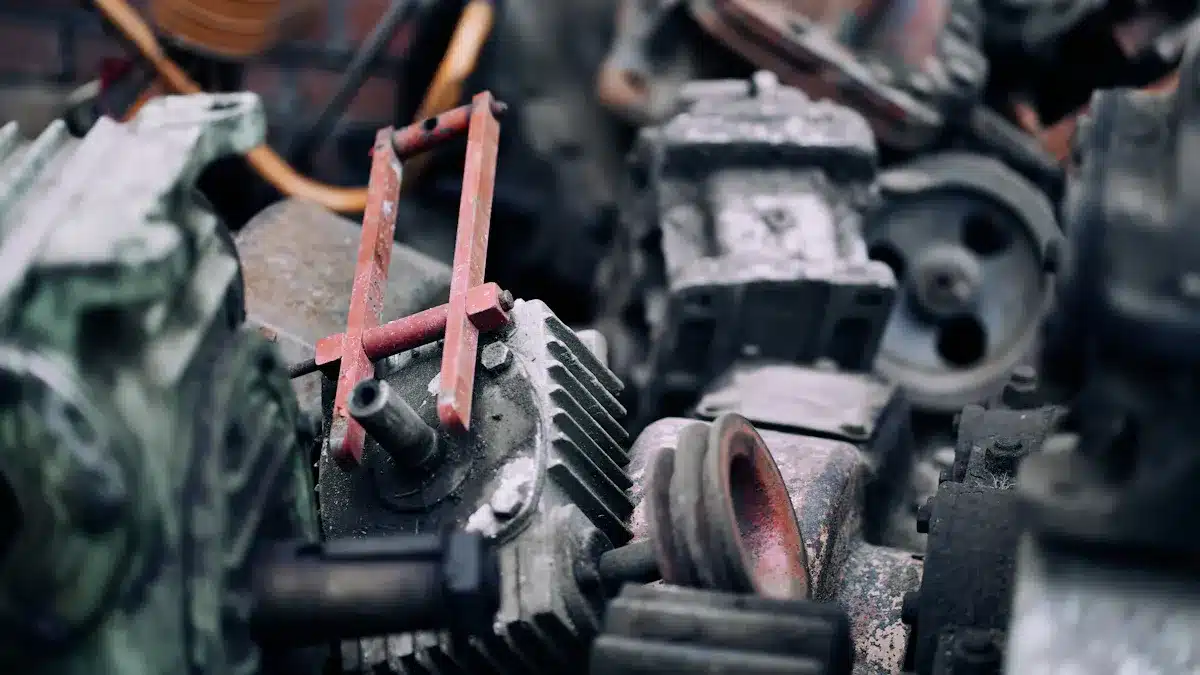
Die casting products are essential in various industries. The die casting process is utilized to create parts for cars, electronics, and medical tools. Companies employ aluminum die casting and zinc die casting to manufacture strong and precise components. The automotive industry requires custom die casting for blocks, wheels, and more. Electronics die-casting shapes cases and connectors for devices, ensuring functionality and reliability. Medical die casting produces tools for hospitals, meeting stringent health standards. MORELUX stands as a leader in quality, supporting numerous industries with advanced standards.
Industry | Description |
|---|---|
Automotive | Grows rapidly due to the demand for lightweight and durable parts. |
Aerospace | Utilizes the die casting process to manufacture components for aircraft. |
Electronics | Relies on electronics die-casting to create small parts for devices. |
Defense | Employs die casting for robust and reliable components in the military. |
Transportation | Implements die casting for parts in vehicles and transport equipment. |
Building | Uses die casting for construction materials and fixtures. |
Key Takeaways
Die casting helps make strong and exact parts. It is used in cars, electronics, and medical devices.
Car die casting makes light engine parts and wheels. It also makes transmission parts. These parts help cars use less fuel and stay safe.
In electronics, die casting makes tough device cases and connectors. These parts help devices work well and stay cool.
Medical devices use die casting for safe and accurate tools. It also helps make diagnostic equipment. These products meet strict health rules.
Die casting is used in things like kitchen appliances and power tools. It makes them strong, light, and cheaper to make.
Die Casting in the Automotive Industry
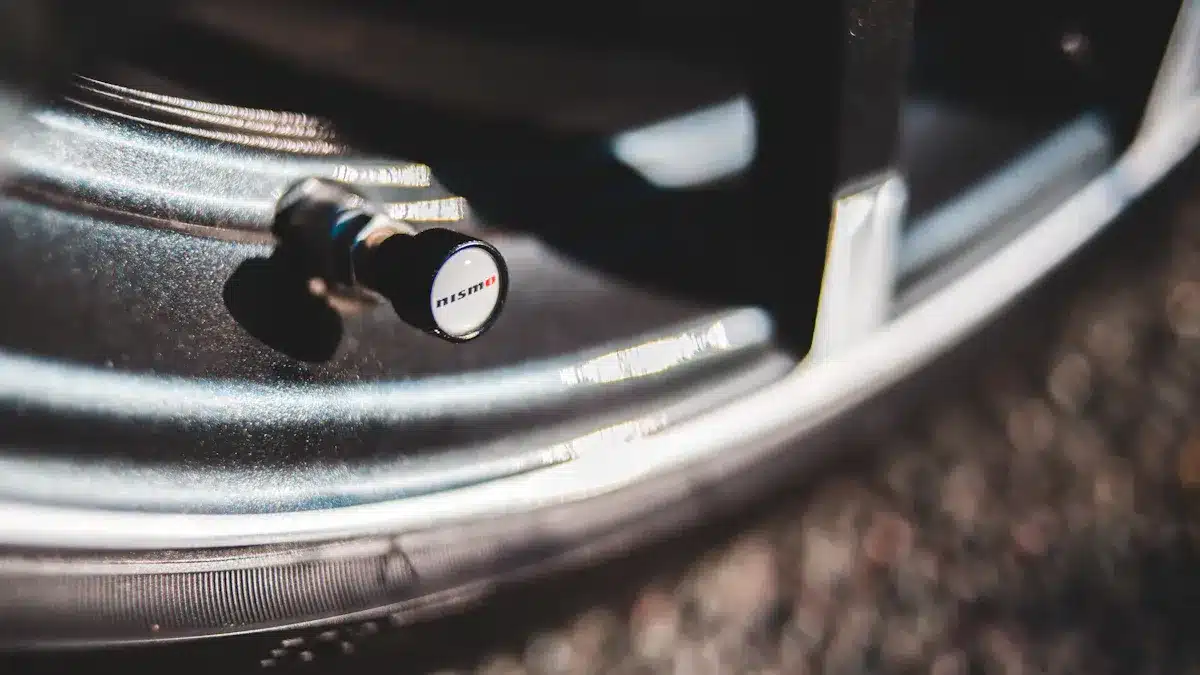
The automotive industry uses die casting to make strong, light parts for cars. This process helps companies make many parts that are all the same. Die casting molds shape metals like aluminum and zinc into detailed forms. It lets factories make lots of parts that meet tough safety rules.
Engine Parts
Automotive casting is important for making engine parts. Die casting helps make engine blocks, cylinder heads, and crankshafts with exact shapes. These parts must handle heat, pressure, and shaking when the engine runs. High-pressure die casting makes parts fast and keeps them the right size.
Engine Part | Material Used | Performance Requirements |
|---|---|---|
Engine Blocks | Cast iron or aluminum alloys | Withstand high heat, pressure, and vibration |
Cylinder Heads | Aluminum | Lightweight, houses valves, spark plugs, and coolant passages |
Crankshafts/Camshafts | Various alloys | Precision and hardness for engine performance |
Automotive die casting gives engine parts many benefits. Strong and light parts help cars use less fuel and pollute less. New die casting machines make work faster and better. The process lets designers make tricky shapes. High-pressure die casting keeps parts accurate, which is important for engines.
MORELUX uses modern machines and strict checks to make strong engine parts. Their die casting makes sure parts are the right size, which is important for cars.
Transmission Components
Transmission parts are important for how cars work. Automotive casting makes transmission housings, valve bodies, stators, and clutch pistons. These parts must be tough and exact to protect the gears and shafts inside.
Aspect | Description |
|---|---|
Durability | Die casting makes parts that handle stress, heat, and wear. |
Precision | The process makes parts with tight fits and detailed shapes, which are needed for cars. |
Material Strength | Aluminum and zinc are light but strong, making parts last longer. |
Automotive die casting helps make transmission parts that are strong and stable. It lets companies make detailed parts for new cars. The process also makes parts that last a long time and are easy to produce.
MORELUX’s die casting makes sure transmission parts meet car industry rules. Their new machines and careful checks make reliable parts for cars.
Wheels and Suspension
Wheels and suspension systems use automotive casting. Die casting makes alloy wheels and suspension parts that must be strong and look good. Aluminum die casting makes wheels that are light and tough, which helps cars drive better and look nice.
Engine Part | Material Used | Performance Requirements |
|---|---|---|
Alloy Wheels | Aluminum | Strength, aesthetic appeal, reduced weight |
Suspension Components | Various alloys | Strong and reliable under constant road pressures |
Brake Drums/Discs | Iron | Heat-resistant, durable, essential for vehicle safety |
Automotive die casting lets companies make lots of wheels and suspension parts that are always good quality. The process is good for making strong parts with cool designs. MORELUX is skilled at making die casting molds and finishing parts, so car parts look good and last long.
Tip: Automotive die casting lets companies make many parts fast, which helps make cars safer and better.
Automotive casting keeps helping the car industry by making strong, high-quality parts for today’s vehicles.
Die Casting Applications in Electronics
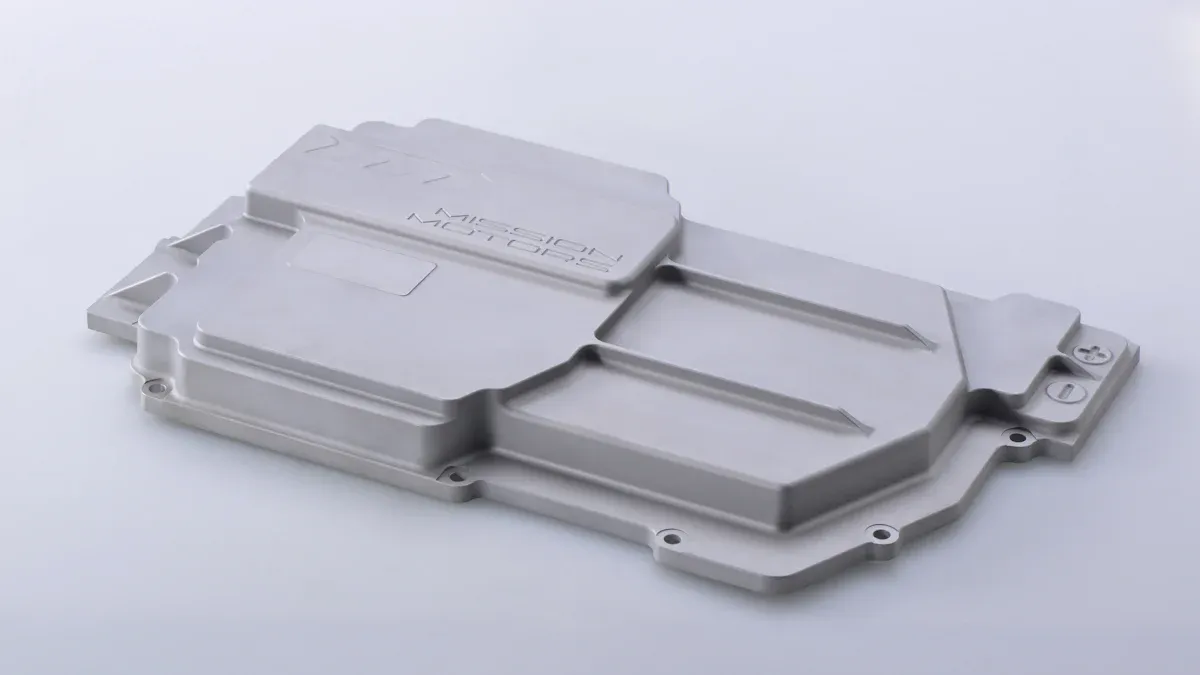
Die casting is very important in electronics. Companies use die casting to make accurate and strong parts for many devices. These parts include device housings, connectors, switches, and heat sinks. As electronics get smaller and better, the need for good die casting parts grows.
Device Housings
Device housings keep electronic parts safe from harm. Companies use die casting to make housings for phones, tablets, laptops, and drone frames. This process makes it possible to create thin and detailed shapes. Thin walls help make products lighter but still strong. Aluminum and zinc are used a lot because they are tough and do not rust easily.
Die casting products like phone housings and 5G station covers have many good features:
Engineers can add cooling fins right into the part, which helps with heat.
Die-cast aluminum moves heat away, so devices stay cool.
A380 aluminum alloy is strong and spreads heat well.
Aluminum works as a heat sink, pulling heat out of the device.
Die-cast aluminum is light but strong, so it protects well.
These alloys do not rust, so they are good for outdoor electronics.
It is very important for electronic cases to be exact. High-pressure die casting makes sure every part fits right and is high quality.
Connectors and Switches
Connectors and switches are small but needed in electronics. Companies use die casting to make connectors, terminal blocks, and other small parts. These parts must be the right size to keep electric signals working.
Connectors and terminal blocks are made with die casting.
The process makes parts that are very exact, with ± 0.05 mm accuracy.
Die casting makes strong and steady connections for devices.
High accuracy is needed so switches and connectors work well.
Die casting in electronics helps make small, detailed parts that work under stress. The quality of these parts is important for how well the device works.
Heat Sinks
Heat sinks help devices get rid of heat. Die casting lets companies make heat sinks with tricky shapes and big surfaces. This helps them cool better. Aluminum is used most because it moves heat well and is easy to shape.
Aspect | Description |
|---|---|
Thermal Conductivity | Aluminum and copper move heat quickly. |
Design Flexibility | Die casting makes many shapes for better cooling. |
Surface Area | Bigger surfaces help heat leave faster. |
Fin Design | Fins make more surface and cool better. |
A die casting heat sink moves heat from hot parts to cooler air. The design helps heat leave the device. The size and shape of fins help heat move and escape.
Bigger surfaces let more heat flow out.
More fins or space between fins help heat move better.
These designs help the heat sink cool parts faster.
Die casting in electronics is growing as devices get smaller and stronger. Companies use die casting to make parts that are high quality, last long, and work well.
Die Casting Products in Medical Devices
Die casting is very important in medicine. Hospitals and clinics need die casting products for safety and accuracy. The die casting process makes strong metal parts that follow strict rules. These parts must be detailed and dependable to help care for patients.
Surgical Instruments
Doctors use die casting to make surgical tools. Stethoscopes, crutches, seat lifts, and wheelchairs have die casting parts. Handles and panels for medical use are also made this way. Aluminum die casting can keep tolerances at about ±0.002 in/in. Zinc die casting can reach even tighter tolerances of ±0.0015 in/in. These tolerances help parts fit together just right. The die casting process controls the material and die design for accuracy. High-pressure die casting lets companies make many of the same product fast.
Note: Tight tolerances in die casting help surgical tools work safely and well.
Diagnostic Equipment
Diagnostic machines need die casting for accuracy and trust. Die casting makes parts with great precision, so they fit in machines. The process makes sure each part meets tough quality rules. Precision die casting lowers defects, so machines work better. Companies can make tricky shapes and thin walls for new devices. Once a die is ready, it can make thousands of the same part. This helps meet rules and keeps performance steady.
Die casting is used in blood pressure monitors, infusion pumps, and portable oxygen supplies.
Good quality in die casting helps medical staff trust their equipment.
Device Housings
Device housings keep electronics and moving parts safe in medical devices. Die casting lets companies use alloys like A380, A360, and AlSi12. These alloys are strong, resist rust, and are easy to cast. The table below lists common alloys and their features:
Alloy | Density (g/cm³) | Tensile Strength (MPa) | Features | Suitable For |
|---|---|---|---|---|
A380 | 2.74 | 317 | Strong, resists rust | Monitor casings, pump bodies |
A360 | 2.65 | 290 | Better rust resistance, easy to cast | Medical enclosures, heat sinks |
AlSi12 | 2.66 | 250–280 | Great for casting, thin-wall design | Handheld device shells, panels |
Die casting products like defibrillators, stethoscopes, and control panels use these alloys. The die casting process keeps device housings strong and light. Medical device housings must protect inside parts and last through daily use.
Die Casting in Aerospace and Industrial Equipment
Die casting is very important in aerospace and factories. This process helps companies make parts that are strong and light. These parts must work well in tough places. Aerospace and industrial companies use die casting to meet strict safety rules.
Aerospace Components
Aerospace parts need to be light and strong. Engineers use die casting to make seat frames and housings. They also make satellite parts this way. Aluminum and magnesium alloys are used a lot. These alloys are strong but do not weigh much. The table below compares these materials:
Material | Strength-to-Weight Ratio | Common Applications |
|---|---|---|
Aluminum Alloys | 90,000 psi / 2.7 g/cm³ | Engines, bodies, satellites |
Magnesium Alloys | 200 MPa / 1.8 g/cm³ | Engine mounts, satellite components, missile parts |
Aerospace companies pick die casting products for their good performance. High-pressure die casting makes sure every part is just right. This helps make safe and efficient airplanes.
Industrial Hardware
Factories get many benefits from die casting. They use it to make hydraulic cylinders and engine brackets. Gearbox cases and fuel parts are also made this way. Brake and power steering parts use die casting too. Panels and seat frames are made with this process.
These parts must handle heat and pressure. Die casting materials must meet tough rules. Car and factory companies trust die casting for its accuracy.
Turbine Blades
Turbine blades are important in planes and factories. Die casting helps make blades that are light and strong. The table below shows why die casting is good for turbine blades:
Advantage | Explanation |
|---|---|
Lightweight | Makes planes lighter and saves fuel. |
High Strength-to-Weight Ratio | Good for planes that need strong but light parts. |
Precision and Consistency | Makes sure every blade is the same and safe. |
Cost-Effectiveness | Saves money when making many blades after the mold is ready. |
Die casting in aerospace and factories helps make safe, high-quality products. This process helps companies create new and better things in these fields.
Die Casting Applications in Consumer Products
Die casting is used to make many things we use every day. Lots of products at home, work, or stores have die casting parts. These parts are strong, look nice, and last a long time. Companies use die casting to make items that people need and use often.
Kitchen Appliances
Many kitchen appliances have die casting parts. Aluminum and zinc are picked because they are strong and do not rust. High-pressure die casting helps make parts that fit well and last. Some kitchen appliances with die casting parts are:
Blenders
Stand mixers
Hand mixers
Toasters
Food processors
Food slicers
These parts have smooth surfaces and keep their shape. Die casting lets companies make lots of products fast and for less money.
Power Tools
Power tools need to be tough but not heavy. Die casting makes strong and light parts for drills, saws, and sanders. Aluminum die casting is used for tool bodies and handles. These parts do not wear out fast. Zinc die casting is used for gears and levers that move easily. The die casting process makes sure each part is safe and works well. Some power tool parts are designed like car parts to work better.
Tip: Die casting in power tools helps people work safely and get jobs done faster.
Furniture Hardware
Furniture hardware gets many good things from die casting. Upholstery hardware, office furniture parts, and fancy finishes use die casting. The table below shows some types and why they are good:
Type of Hardware | Advantages |
|---|---|
Upholstery hardware | Strong, lasts long, looks nice (buckles, buttons, hooks) |
Office furniture parts | Lasts long, fits well, works right (hinges, locks, drawer slides) |
Decorative finishes | Looks better with different coatings (chrome, nickel, brass, copper) |
Die casting makes hardware for furniture strong and nice-looking. Companies use different finishes to make them last longer and look better. The table below lists some finish choices and what they do:
Surface Finishing Option | Advantages | Disadvantages |
|---|---|---|
Mechanical Finishing | Parts fit well, smooth surface, removes rough spots | Uses a lot of energy, can make tiny cracks |
Chemical Finishing | Stops rust, makes surface harder | Only works for thin layers, needs careful control |
Thermal Finishing | Makes parts stronger, keeps shape better | Needs careful heat control, can cause surface problems |
Coatings and Paints | Many colors and looks, lasts long | Needs special tools, can hurt the environment |
Electroplating | Stops rust, makes surface last longer | Not as pretty, needs careful control |
Die casting is used more and more in products people buy. Companies keep finding new ways to make parts that look great and last longer.
Die casting products help many industries like cars, electronics, and medical devices. The die casting process makes parts that are strong but not heavy. These parts are also very exact and last a long time. Aluminum and zinc can be shaped into tricky forms with smooth surfaces. Companies pick die casting to make parts that work well in many ways. These products cost less to make and are better for the environment. As more people need these parts, MORELUX keeps making new and better products for every job.