
Hot chamber zinc die casting is the top choice for making zinc parts. Makers pick this way because it is faster and uses less energy. The process gives good repeatability and accuracy. This means parts fit well and there is less waste. Zinc die casting uses lower melting temperatures. This helps molds last longer and costs less to fix. Many businesses use this method for high pressure zinc die casting. They trust it to give steady results. Big companies like a wholesale zinc aluminum die casting die factory depend on these benefits. It helps them keep up with tough production needs.
Key Takeaways
Hot chamber zinc die casting is very fast. It makes zinc parts quickly. This method works best for making many parts. It is good for big jobs.
This casting method gives high precision. It makes parts that fit well. The parts have fewer mistakes. You can trust the results each time.
Zinc die casting uses lower melting temperatures. This helps molds last longer. It also lowers repair costs. It saves money over time.
The process allows many surface finishes. These finishes make parts look better. They also help parts work better. Plan finishes early in the design.
Hot chamber die casting is best for detailed designs. It is good for large orders. Cold chamber casting works better for special alloys. These alloys need more strength.
Why hot chamber zinc die casting is preferred
Precision and efficiency
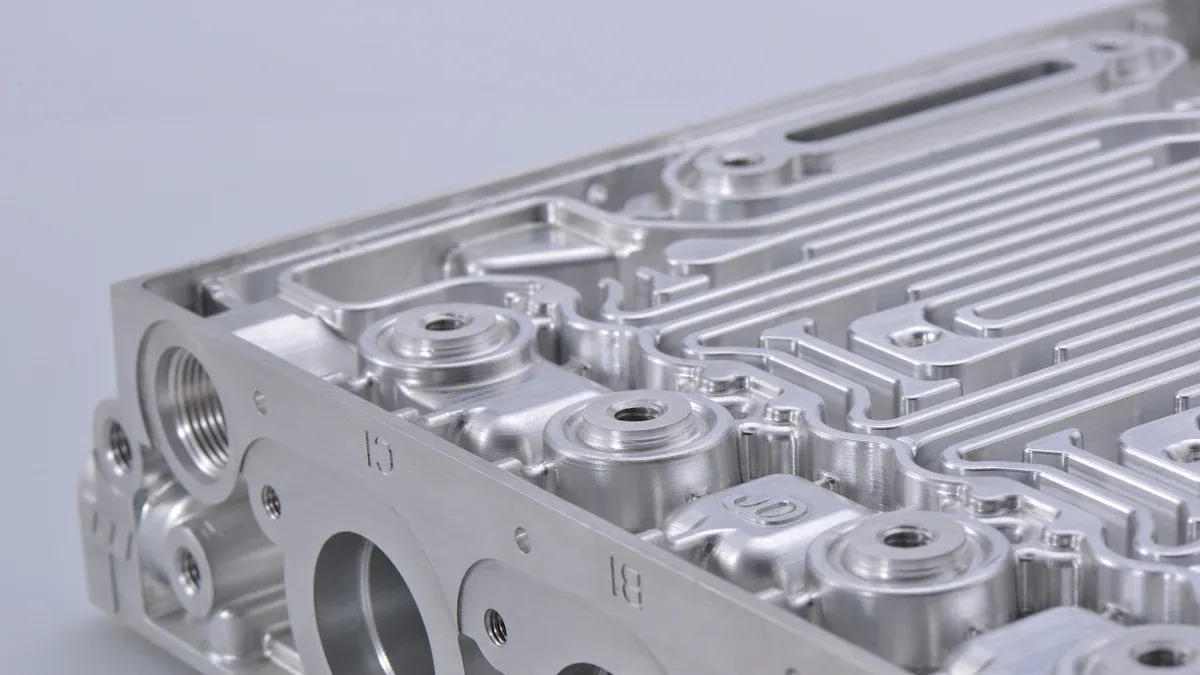
Hot chamber zinc die casting is known for being fast and accurate. Makers use it to make zinc parts that are the same size and shape every time. This process is good for making parts with small and detailed designs. Engineers like this method because it makes parts quickly. It can make up to 15 parts each minute, which is faster than other ways to cast zinc. The table below shows how hot chamber zinc die casting is better in speed and accuracy than other methods.
Method | Cycle Time (cycles per minute) | Dimensional Accuracy | Characteristics |
|---|---|---|---|
Hot Chamber Die Casting | 15 | Good | Intricate details, excellent surface finish |
Cold Chamber Die Casting | Slower than hot chamber | Variable | Higher strength, reduced die filling capability |
Zinc die casting uses alloys like Zamak #3. These alloys help make parts that are the right size and shape. The process works best with metals that melt at low temperatures, like zinc. This makes it a great choice for making parts that need to be very exact and the same every time.
Cost and volume benefits
Hot chamber zinc die casting helps companies save money. It uses less energy because zinc melts at a lower heat. This means the molds last longer and do not need fixing as often. Companies pick this method when they need to make a lot of parts. It is cheap and works well for big orders. The smallest number of parts you can make and still save money is 500. This works for both small and big orders. The table below shows the smallest order sizes for different choices.
Option | Minimum Quantity |
|---|---|
Economy | 500 pieces |
Domestic | 1000 pieces |
Zinc die casting lets companies make thousands of parts fast. It is good for making many parts without spending too much money. Makers have less waste and fewer mistakes. This is why many industries use hot chamber zinc die casting when they need a lot of zinc parts.
Surface finish quality
Hot chamber zinc die casting makes zinc parts with smooth and shiny surfaces. Most parts need extra coatings or finishes to look and work better. People should decide on these finishes before making the mold. The way a part is designed is important for how smooth it will be. It is smart to talk to engineers about finishing and machining before starting the mold design.
The surface finish changes what finishing steps are needed for looks, strength, and how the part works.
The type of finish picked can change how much finishing costs and how long it takes.
Some finishing steps, like machining, deburring, and adding coatings, depend on the surface finish.
Planning ahead and talking with engineers helps get the right surface finish.
Zinc die casting makes parts that do not need much extra work after casting. The process makes sure parts look nice and work well. Makers can pick from many finishes to make their zinc parts look better and last longer.
Zinc die casting process overview
Hot chamber process steps
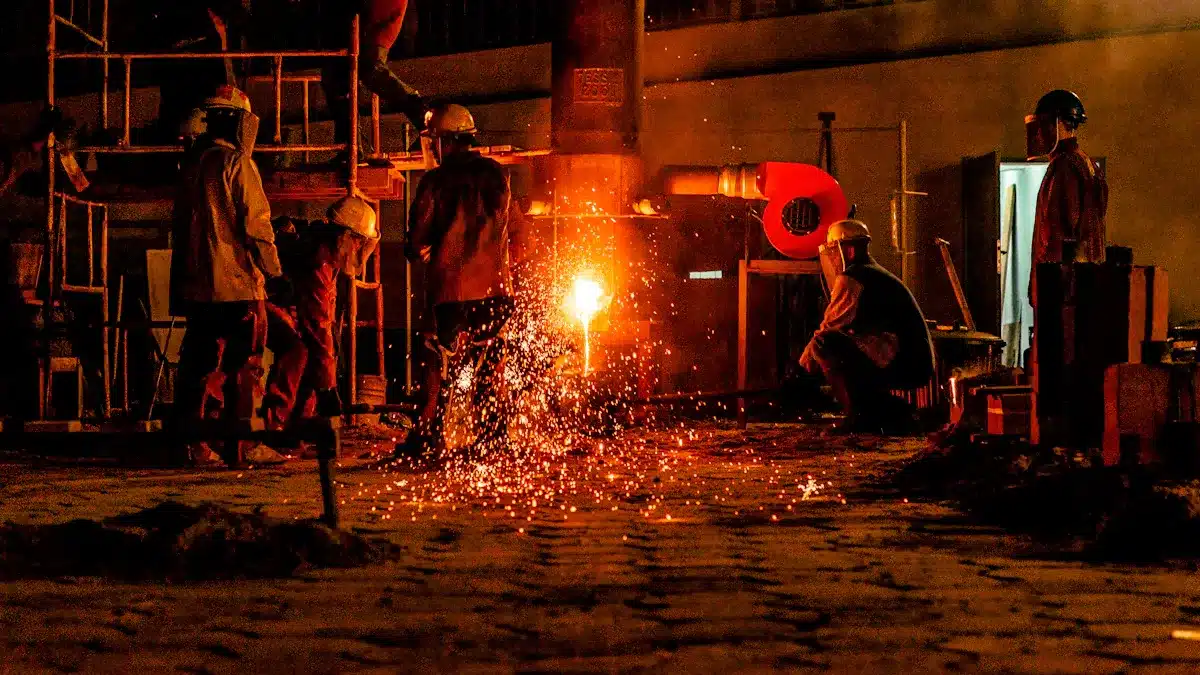
The hot chamber process is the main way to make zinc parts. This process uses a machine that keeps melted zinc ready to use. First, the plunger goes up and lets the melted zinc fill the chamber. Next, the plunger pushes the zinc into a steel die using high pressure. This shapes the zinc into the final part. The machine holds the pressure for a short time. This makes the part strong and solid. Zinc cools and gets hard very fast, so workers can take out the part soon. After that, workers trim, polish, or coat the part to fit what customers want.
The table below lists each step and how it helps the process stay quick and correct:
Step | Description | Contribution to Efficiency |
|---|---|---|
Chamber Filling | The plunger rises, opening the intake port to fill the cylinder with molten zinc. | Reduces air entrapment, ensuring dense and high-integrity castings. |
Injection | The plunger drives molten zinc into the sealed die with calibrated force. | Ensures high precision and superior surface finishes for complex geometries and fine details. |
Pressure | The plunger exerts pressure to compact the metal within the die cavity. | Minimizes porosity, maximizes mechanical strength, and controls internal microstructure. |
Cooling | Zinc solidifies quickly due to its low melting point. | Enhances productivity and contributes to tight dimensional tolerances, reducing the need for secondary operations. |
Finishing | Involves trimming, deburring, grinding, polishing, and surface treatments. | Refines parts for improved performance and cosmetic appeal, meeting specific customer requirements. |
Safety is very important in zinc die casting. Machines have shields, shut-offs, and temperature checks to keep workers safe. This process uses less energy than other metals. Zinc can also be recycled many times.
Cold chamber process for specialty zinc alloys
The cold chamber process is used for zinc alloys that need more heat or extra strength. This process works well for bigger parts or special alloys like ZA-27 and ZA-12. In this way, workers melt zinc in a different furnace. They pour the melted zinc into a cold chamber. Then, a plunger pushes it into the die. This method takes more time than the hot chamber process, but it is needed for some alloys.
Alloy | Composition | Characteristics |
|---|---|---|
ZA-27 | ~28% Aluminum, 2.5% Copper | High strength, wear resistance, high melting point |
ZA-12 | Not specified | Competes with ZA-27 for strength applications, suitable for cold chamber die casting |
Cold chamber die casting takes longer and costs more at first. But it lets makers use special zinc alloys that cannot be used in the hot chamber process. This makes it a good choice for parts that need extra strength or special features.
Comparing die casting methods for zinc
Hot chamber vs. cold chamber
Hot chamber die casting is used most for zinc parts. This method uses a machine with a melting pot inside. The injection part stays in melted zinc. This makes the process fast and efficient. Cold chamber die casting uses a melting pot that is separate. Workers pour melted zinc into the chamber for each part. This way works better for bigger or special zinc alloys that need to be stronger.
The table below shows how these two methods are different:
Aspect | Hot Chamber Die Casting | Cold Chamber Die Casting |
|---|---|---|
Process Mechanism | Integrated melting pot; submerged injection | Separate melting pot; dry injection system |
Materials Used | Low melting point alloys (zinc, magnesium) | High melting point alloys (aluminum, brass) |
Cycle Time | Short (30–60 seconds) | Longer (up to several minutes) |
Part Size | Small to medium | Larger, heavier, or structural parts |
Surface Finish | Smoother, lower porosity | Higher porosity, needs optimization |
Production Volume | High-volume, small-part runs | Moderate-to-high-volume, complex parts |
Tooling Cost | Lower initial cost | Higher initial cost, longer lifespan |
Hot chamber zinc die casting makes parts that look smooth and fit well. Cold chamber die casting is picked when the part is big or needs a special alloy. It is not as fast for regular zinc parts.
Gravity and sand casting limitations
Gravity and sand casting are old ways to make metal parts. These ways do not work as well for zinc. Gravity casting costs more to set up and can only make some sizes. Sand casting uses molds one time, so it is less exact and takes longer.
Casting Method | Limitations |
|---|---|
Gravity Casting | Higher initial setup costs, limited part size |
Sand Casting | Lower precision, longer cycle times, single-use molds |
These methods can cause more mistakes in the parts. Gravity casting can make cold shuts. Sand casting can have air pockets and holes inside. Die casting, especially hot chamber zinc die casting, helps stop these problems. It makes parts that are stronger and have fewer mistakes.
Note: Die casting methods help make parts with fewer holes inside and more even quality than gravity and sand casting.
Investment casting alternatives
Investment casting is another way to make zinc parts. It works well for small batches and tricky shapes. People use it for test parts or special products because it costs less to make the tools. But for making lots of parts, die casting saves more money. The cost for each part goes down when you make more, so zinc die casting is best for big orders.
Investment casting is sometimes used for strong alloys or important parts in planes or medical tools. Still, most makers pick die casting for zinc because it is faster, cheaper, and makes better parts for most jobs.
Investment casting: Good for test parts, tricky shapes, and small batches.
Die casting: Good for lots of zinc parts that need to be exact.
Practical factors in zinc die casting
Part complexity and design
Engineers pick the best casting process for each part. They look at how tricky the shape is and what the part needs to do. Zinc die casting is great for parts with tiny shapes and small details. This method makes parts fast and keeps sizes very close to what is needed. Other ways, like low-pressure die casting or sand casting, have trouble with hard shapes. Zinc alloys help make thin walls and small features. The table below shows how hot chamber and cold chamber zinc die casting are different for design:
Design Feature | Hot Chamber Die Casting | Cold Chamber Zinc Die Casting |
|---|---|---|
Cycle Times | Faster | Slower |
Turbulence During Injection | Less | More |
Dimensional Precision | More precise | Less precise |
Designers use zinc die casting when they want smooth parts and exact sizes. Zinc alloys do not work well in hot places. Aluminum is better for parts that get very hot.
Production scale and cost
How many parts are needed and the price matter a lot. Zinc die casting is best for making lots of parts fast. Companies can make thousands of zinc parts quickly. Cold chamber zinc die casting is slower but works for big or special zinc alloys. Hot chamber zinc die casting costs more to start than sand casting. But it saves money when making many parts. The table below shows the cost for making the tools:
Casting Method | Tooling Cost (US$) |
|---|---|
Hot Chamber Zinc Die Casting | 25 k–120 k |
Sand Casting | 0.5 k–5 k |
Low-pressure die casting is used for some zinc alloys. But it is not as fast or exact as die casting. Companies pick zinc die casting because it saves money when making lots of parts.
Quality control and finishing options
Quality control checks if zinc die casting parts are made right. Makers use special tools to measure and check sizes. They use things like optical comparators and CMMs to check parts. Gauges, calipers, and micrometers help check if parts are the right size. Pin gauges are used for quick checks. Companies also check raw materials, mold strength, and heat. They watch for mistakes while making the parts.
Finishing makes zinc die casting parts look and work better. Common finishes are powder coatings, electroplating, and polishing. These finishes help stop rust, make parts last longer, and look nice. Thermal deburring smooths rough spots. Electroplating adds a strong layer. Zinc alloys get better with these finishes and last longer in use.
Tip: Plan for finishing early in the design. This helps get the best zinc die casting results.
Hot chamber die casting is the best way to make zinc parts. This method is quick and makes parts that fit well. The surface of the parts looks smooth and shiny. Makers use die casting when they need many parts that are all the same. They trust it for high-pressure die casting because it works well every time. Other ways, like gravity or investment casting, are good for special zinc alloys or when only a few parts are needed.
Zinc die casting helps industries that need strong and fast ways to make parts.