
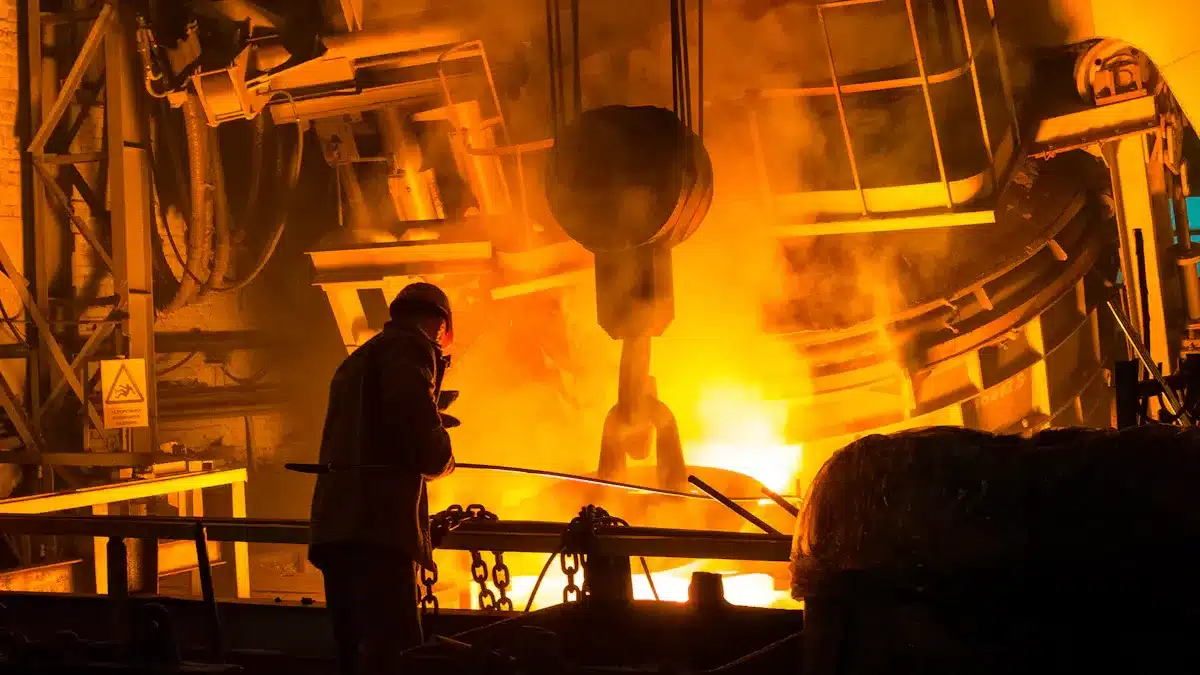
Manufacturers use five main die casting methods. These are hot chamber, cold chamber, vacuum, gravity, and high-pressure die casting. Each method has special benefits for making die casted parts. Cold chamber die casting is used most around the world, making up about 68% of the market. It is often chosen for aluminum and magnesium. Hot chamber die casting covers about 32% of the market and is mainly used for zinc and lead.
Cold Chamber: 68% market share, best for metals that melt at high temperatures.
Hot Chamber: 32% market share, good for alloys that melt at low temperatures.
MORELUX is a leader in precision die casting services. The company is skilled in both the hot and cold chamber die casting process. They assist industries such as telecom die casting and automotive. Their main strengths are:
Advantage | Description |
|---|---|
Expert Guidance on Material Choice | MORELUX provides advice on selecting the right material for each project. |
Advanced Technology and Expertise | Skilled workers and modern machines contribute to the production of high-quality parts. |
Rigorous Quality Control Protocols | Every die casted part is meticulously checked to meet industry standards. |
Key Takeaways
Die casting uses five main methods. These are hot chamber, cold chamber, vacuum, gravity, and high-pressure. Each method works best for certain metals. Each method fits different project needs.
Cold chamber die casting is the most common method. It makes up 68% of the market. This method works well for metals that melt at high heat. Aluminum is one example.
Hot chamber die casting is a faster method. It is good for metals that melt at low heat, like zinc. This method can make many parts quickly. The parts have smooth surfaces.
Picking the right die casting method depends on the material. It also depends on how many parts you need. Part shape matters too. Experts like MORELUX can help you choose.
Die casting has many good points. It gives high accuracy. It makes less waste. The parts are strong. Many industries use die casting. Some examples are automotive and electronics.
Die Casting Process Overview
What is Die Casting?
Die casting is a way to make metal parts. It uses melted metal and a mold. High pressure pushes the metal into a steel mold called a die. This makes parts with smooth surfaces and exact sizes. Many industries use die casting. These include cars, electronics, and airplanes. Die casting helps make strong and detailed parts.
There are many good things about die casting for manufacturers:
It makes detailed metal parts with great accuracy.
The walls of the parts stay even and defects are rare.
Fast cycles mean more parts can be made quickly.
Accurate parts fit together well when put together.
Less waste and more metal used saves money and materials.
MORELUX is a top company in die casting. Their team uses smart computer tools and strict checks for quality. They look at each design to see if it can be made easily. Modern machines help them make sure every part is high quality.
Note: After taking the part out of the mold, extra material is removed. These steps help make the part clean and ready to use.
Main Methods
Manufacturers use different main methods for die casting. Each method has special features. The choice depends on the metal and what the project needs.
Method | Key Features |
|---|---|
Hot Chamber Die Casting | Has a furnace inside; works best for metals like zinc and lead; cycles are fast. |
Cold Chamber Die Casting | Uses a furnace outside; good for metals like aluminum and brass that melt at higher temperatures. |
Vacuum Die Casting | Uses a vacuum to stop air bubbles; makes parts stronger and lowers holes. |
Gravity Die Casting | Uses gravity to fill the mold; good for simple shapes and costs less. |
High-Pressure Die Casting | Uses high pressure to make parts quickly and with lots of detail. |
Die casting often uses metals like aluminum, zinc, and magnesium. Aluminum is strong and not heavy. Zinc is tough and looks smooth. Magnesium is light and strong.
MORELUX knows a lot about hot chamber and cold chamber die casting. Their skills help customers pick the best method for their project. This makes sure every part turns out great.
Hot Chamber Die Casting Process
Process
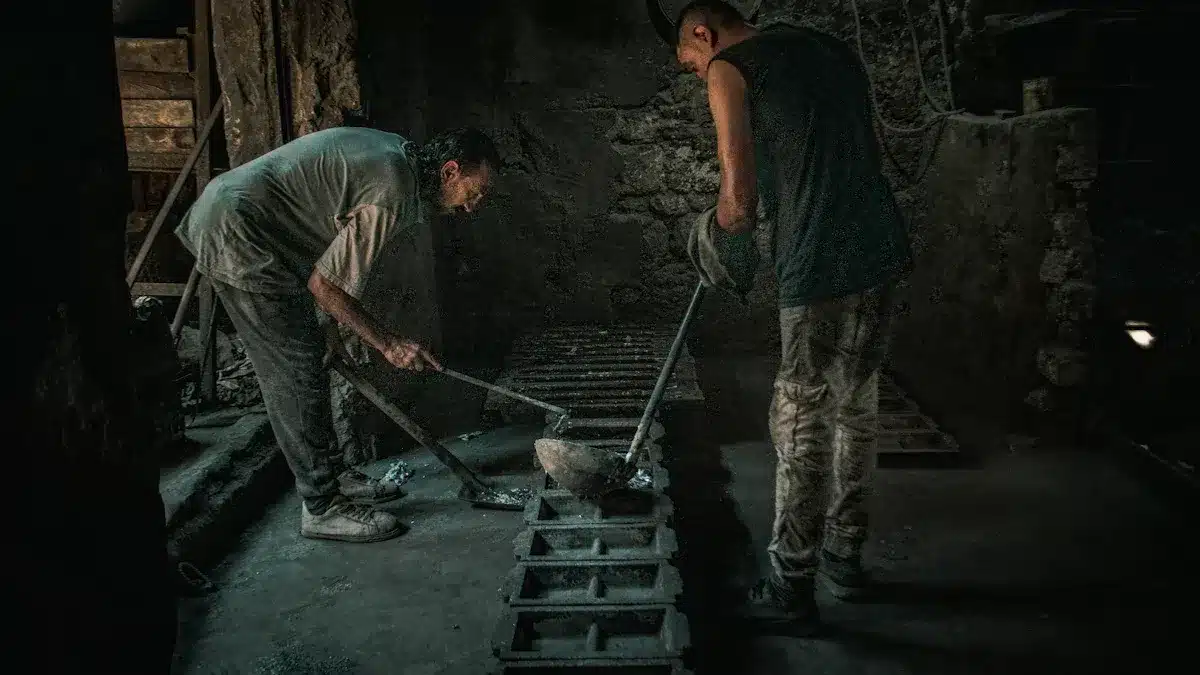
Hot chamber die casting melts metal in a furnace that is part of the machine. First, the furnace heats and melts the metal. Next, the injection system pulls up the melted metal from the gooseneck. Then, the machine pushes the metal into the die cavity with high pressure. Cooling channels help the metal get hard inside the mold. After that, the mold opens up. An ejector system pushes out the finished part. Workers cut off any extra material from the part. The machine gets ready to start again. This method is fast and can make many parts quickly. It is great for making lots of parts over and over.
Features
Hot chamber die casting works best with metals that melt at low heat. Zinc alloys like Alloy 2, Alloy 3, Alloy 5, and ZA8 are used a lot. Alloy 2 and Alloy 5 are strong and hard. Alloy 3 is easy to cast and keeps its shape well. ZA8 has more aluminum, so it works even better. This process makes parts with smooth surfaces and exact sizes. Even tricky shapes can be made this way.
Pros
Manufacturers like hot chamber die casting for many reasons:
Benefit | Description |
|---|---|
Fast Cycle Times | The metal stays melted, so parts are made fast. |
High Volume Production | Many parts can be made with good accuracy. |
Good Surface Finish | Parts look smooth and need little extra work. |
Non-Shrinkage | Parts keep their size and shape well. |
This method uses less energy and does not wear out molds quickly. Molds last longer because of this.
Cons
Hot chamber die casting has some downsides. It cannot make very big or heavy parts. It is best for small or medium parts that need to be exact. Some alloys can damage the machine, so repairs may be needed more often. The setup costs are high, so it is not good for making just a few parts. Only certain metals can be used, so choices are limited.
Uses
Many industries use hot chamber die casting. It is used for car parts like carburetor pieces and light brackets. It is also used for electronics, like thin frames and cool cases. Bathroom and home items, such as faucets and knobs, are made this way. Builders use it for things like door locks and fasteners. It is also used for small appliances and fashion items. Hot chamber die casting is fast and makes detailed, high-quality parts. It is a good choice when many small, exact parts are needed.
Cold Chamber Die Casted Parts
Process
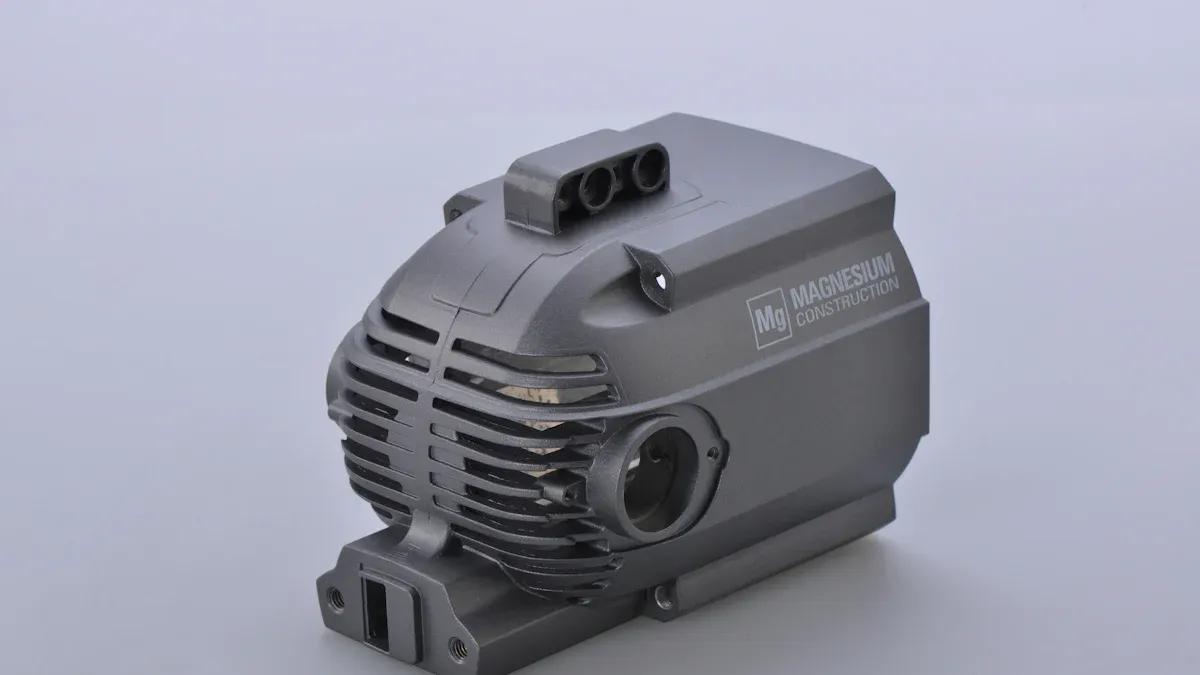
Cold chamber die casting melts metal in a furnace that is not part of the machine. Workers pour the melted metal into a shot chamber. A hydraulic plunger pushes the metal into the die with high pressure. The die cools the metal fast, so the part forms quickly. When the metal gets hard, the die opens and the part comes out. This process happens again for every new part.
Features
Cold chamber die casting works best with metals that melt at high temperatures. Some common materials are:
Aluminum alloys
Magnesium alloys
Brass and copper alloys
Zinc-aluminum alloys
Specialty alloys
This method makes parts with smooth surfaces and tight measurements. It can make big and heavy parts that need to be strong.
Pros
Cold chamber die casting has many good points compared to other methods:
It works well for alloys that melt at high heat, like aluminum and copper.
Parts are strong and tough because of this process.
It is great for making big and heavy parts, such as engine blocks.
The die lasts longer since the furnace and die are separate.
Parts have fewer holes and look smoother.
The parts are very accurate and fit together well.
There is less extra metal to cut off.
Parts can handle heat better because of good cooling.
Machines can work by themselves, so many parts are made fast.
Tip: Cold chamber die casting is best when you need strong and large parts.
Cons
Cold chamber die casting has some problems. It cannot make shapes with thin walls or tricky designs easily. The machines cost a lot and need regular care.
Uses
Many industries use cold chamber die casted parts. Car makers use this method for engine blocks and transmission cases. Airplane companies use it for engine parts and landing gear. These parts must be strong, exact, and safe.
Other Die Casting Methods
Vacuum Die Casting
Vacuum die casting takes out air and gases from the mold before adding melted metal. This helps make parts with fewer holes and stronger walls. The process has several steps. First, engineers use computer software to design a 3D model. Next, they make a master pattern with tools like 3D printers or CNC machines. Workers pour liquid silicone over the pattern to make a mold and let it harden. Then, they mix a two-part resin under vacuum and pour it into the mold. After the resin cures, they take out the part and finish it.
Vacuum die casting is different because it keeps air from getting trapped. This makes parts stronger and lowers porosity. The table below shows some main benefits:
Benefit | Description |
|---|---|
Removes trapped air and gases | Stops holes and blowholes in the finished part. |
Enhances overall product density | Makes the final product stronger and more solid. |
Manufacturers see that almost no gas gets stuck in the part. This means the part stays strong and works well. Low porosity lets designs have thinner walls. The process also lets workers weld or heat treat parts without problems from trapped gases. Less gas and smaller pores make the part denser and stronger.
Gravity Die Casting
Gravity die casting lets melted metal flow into a mold using only gravity. The mold has vents and risers to help gases escape. This helps the metal fill the mold all the way. The metal gets hard quickly because the mold cools it fast. This method is simple and does not use high pressure.
Gravity die casting is used for engine parts, pump pieces, and gears. Many industries use this method:
Automotive
Marine
Defense
Architectural and construction
Electronics
Complex machinery
Consumer appliances
The table below lists some good and bad points:
Advantage | Disadvantage |
|---|---|
Materials are usually used. | Not good for thin-walled parts. |
Simple method for making lots of parts. | Slow production can cost more. |
Few pores in aluminum casting allow heat treatment. | Surface may not be smooth and can have marks. |
Can use aluminum alloys with low fluidity. | |
Mold cost is not high and lasts long. |
Gravity die casting is flexible. Makers can create parts in many sizes and weights. The method saves money for medium to large orders. It also makes less waste, so it is better for the environment. But it cannot make very thin or tricky shapes. Mold cost is lower than high-pressure die casting, but taking care of molds is still needed.
High-Pressure Die Casting
High-pressure die casting pushes melted metal into a steel mold at very high pressure, usually between 10,000 and 20,000 psi. The process has several steps:
Step | Description |
|---|---|
1 | Melted metal is pushed into a steel mold at high pressure. |
2 | The metal fills small mold spaces quickly. |
3 | The metal gets hard and forms exact, high-quality parts. |
4 | Strong steel molds can be used many times, so it is good for making lots of parts. |
This method helps makers produce parts fast and with great accuracy. It is good for making tricky shapes with smooth surfaces and exact sizes. The process can meet strict looks and size rules. Parts made this way often have finishes ready for electroplating.
Manufacturers use high-pressure die casting to make many parts quickly. The method works well for parts that need to be strong and look nice. But tiny holes can form if gas gets trapped, which can make the part weaker and look worse. Other problems include surface marks, mold damage, and needing to control the process closely. Engineers must know how to adjust the process to avoid defects.
High-pressure die casting is special because it can make lots of parts with the same quality. The benefits include making parts with tricky shapes, smooth surfaces, and exact sizes.
Die Casting Methods Comparison
Table
The table below helps you see how each die casting method is different. It shows things like cost, speed, and what each method is best for.
Method | Initial Tooling Cost | Production Speed | Dimensional Accuracy | Suitable Die Casting Materials | Best Use Cases |
|---|---|---|---|---|---|
Hot Chamber | Moderate | Fast | High | Zinc, Lead, Magnesium | Small, detailed parts; high production rate |
Cold Chamber | Higher | Moderate | High | Aluminum, Brass, Magnesium | Large, strong parts; mass production |
Vacuum Die Casting | Higher | Moderate | Very High | Aluminum, Magnesium | Parts needing low porosity and strength |
Gravity Die Casting | Lower | Slower | Moderate | Aluminum, Copper | Simple, thick-walled parts |
High-Pressure Die Casting | High | Very Fast | Very High | Aluminum, Zinc, Magnesium | Complex, thin-walled parts; electronics, automotive |
Tip: High-pressure and vacuum die casting give the best accuracy. These methods are great for making parts with tiny details.
Choosing the Right Method
Picking the right die casting method depends on a few things:
Material: Each method works best with certain metals. For example, hot chamber die casting is good for zinc and magnesium. Cold chamber die casting is better for aluminum and brass.
Production Volume: If you need to make a lot of parts, use hot chamber or high-pressure die casting. Gravity die casting is better for smaller amounts.
Part Complexity: If the part has thin walls or lots of small details, use high-pressure or vacuum die casting. If the part is bigger and simple, gravity die casting works well.
Dimensional Accuracy: If you need the part to be very exact, high-pressure and vacuum die casting are best.
Engineers also look at the shape, size, and features of the part. Some designs need special molds. Die casting can make very detailed parts that fit together well. This is why it is used in cars and electronics.
MORELUX helps customers pick the best die casting method. Their team checks the design, material, and how many parts are needed. They suggest the best way to make each part. This makes sure every part is high quality and works for its job.
Die casting uses different ways like hot chamber, cold chamber, vacuum, gravity, and high-pressure die casting. Each way works best for certain metals and shapes. Picking the right process depends on what the project needs. This includes the size, shape, and type of metal. Quality checks are important in die casting. Workers look at the parts often and test how strong they are. They also check how the parts look. These steps help stop mistakes and save money. To get the best parts, companies should ask experts like MORELUX for help. Their team makes sure every project is done well and meets high standards.