

HPDC die casting is an advanced method for manufacturing components. It utilizes high pressure to inject melted metal into a mold, resulting in parts that are both strong and precise. This die casting process is essential in modern manufacturing, enabling rapid production with exceptional detail. The global market for HPDC machines reached $1.98 billion in 2023 and is projected to grow by more than 4% annually. MORELUX stands at the forefront of this industry, employing cutting-edge technology and rigorous quality control measures. Numerous industries rely on HPDC, including applications for copper die-casting and various other metals.
Benefit | Description |
|---|---|
Speed | Allows factories to produce items quickly and in large quantities. |
Precision | Ensures parts are smooth and highly accurate. |
Cost-effectiveness | Reduces the cost per part and minimizes the need for additional processing. |
Complex shapes | Capable of creating components with intricate designs and thin walls. |
Versatility | Applicable in automotive, aerospace, and electronics sectors. |
Key Takeaways
HPDC die casting uses high pressure to make metal parts fast. The parts are strong and exact. This makes it good for making many parts at once.
The process lets you make detailed shapes and thin walls. Thin walls help save material and weight. This is useful in cars and electronics.
Picking the right material, like aluminum or zinc alloys, is very important. It helps the parts be strong and work well in HPDC.
Quality control is very important in HPDC. Workers check each part closely. They use visual checks and X-rays to make sure parts are good.
HPDC has many good points, like being fast and saving money for big orders. But it also has some problems, like high starting costs and possible tiny holes in parts.
What Is HPDC Die Casting?
HPDC Meaning
HPDC means high pressure die casting. This process uses strong machines to push melted metal into a steel mold very fast. The metal fills the whole mold, even tiny spaces, and cools down quickly to become solid. HPDC die casting started in the 1800s with simple machines that used gravity. Later, engineers made better machines that use hydraulic and pressurized gas systems. These machines can reach pressures as high as 100MPa, which is about 14,500 psi.
In metalworking, high pressure die casting is when melted metal is shot into a closed steel die at high speed and pressure. The die stays shut tight with a clamp while the metal hardens. This way, the parts come out almost finished, saving time and materials. HPDC is great for making strong, high-quality parts fast. Many industries use this process to make important things like engine blocks and car frames.
Key Features
HPDC has many features that make it useful in factories today. These features help companies make parts that are accurate, strong, and save money.
Note: HPDC lets factories make tricky parts fast with smooth surfaces and exact sizes.
Here are some key features of hpdc:
Feature | Description |
|---|---|
High Production Rates | HPDC lets factories make lots of parts quickly. |
Excellent Dimensional Accuracy | The process makes parts with very exact sizes, often within ±0.01 mm. |
Complex Geometries and Thin Walls | HPDC can make parts with detailed shapes and thin walls, which saves weight and material. |
Good Surface Finish | Parts come out smooth, so they need less extra work. |
Cost-Effectiveness for High Volumes | HPDC gets cheaper when making many parts because it is fast and wastes little material. |
Design Flexibility | Engineers can join parts together, making assembly easier and products better. |
HPDC is different from other pressure die casting because it uses much higher pressure, sometimes up to 200,000 kPa. The machines fill the mold very fast, between 10 and 50 meters per second, or even faster. Each cycle only takes a few seconds, so factories can make thousands of parts quickly. This speed helps industries get products ready for sale fast.
HPDC also gives very exact sizes. Many companies pick hpdc when they need parts with tight fits, like in cars and airplanes. The process is perfect for making lots of parts quickly, every few seconds or minutes. HPDC die casting helps companies make these parts fast and keep the quality high.
HPDC Die Casting Process
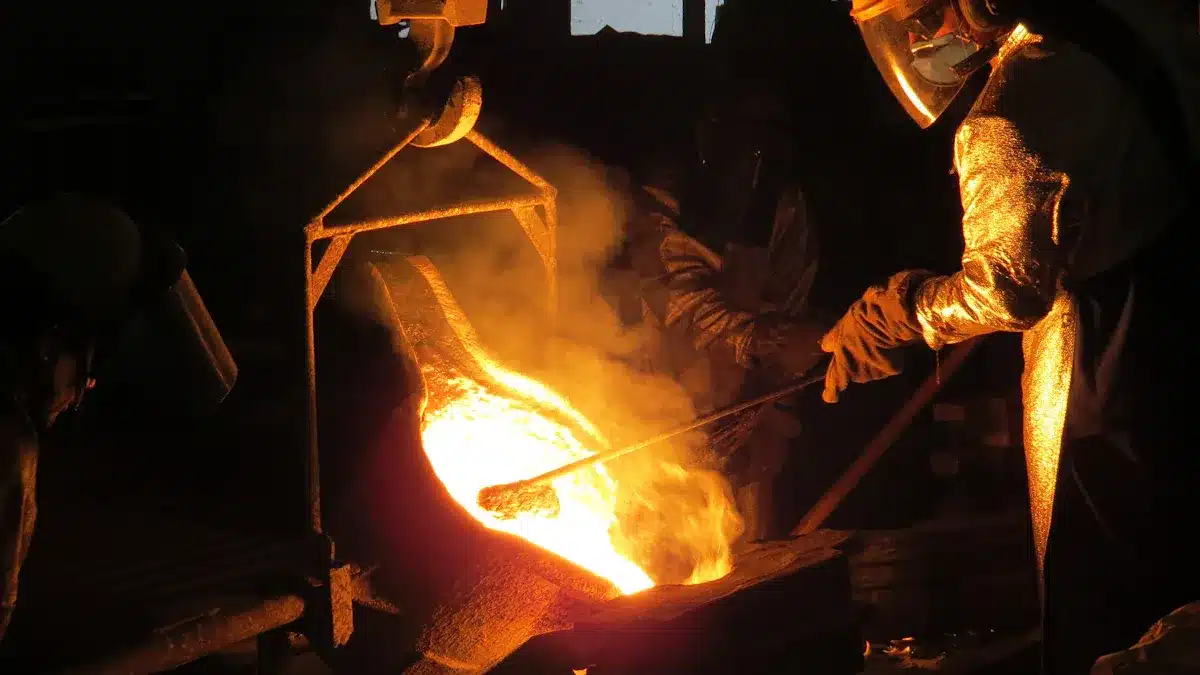
The hpdc die casting process changes raw metal into strong parts. MORELUX uses new technology and careful checks to make sure each part is good. The process has many steps that work together to make strong products.
Mold Preparation
Mold preparation is the first step in hpdc. Engineers use computers to design the mold. They pick strong steel alloys like H13 or P20. These metals can handle high pressure and many uses. The team puts a special oil on the mold walls. This oil helps control heat and makes it easy to take out the part. Cooling systems inside the mold keep the temperature steady. This stops cracks and warping.
Consideration | Description |
|---|---|
Mold Design | Engineers use skills and computers to make exact shapes for car and factory parts. |
Material Selection | Steel alloys make molds strong and last long. |
Cooling Systems | Channels inside the mold keep it cool and help the metal harden evenly. |
Defect Prevention | Even cooling and good air flow stop problems and make the part strong. |
MORELUX’s machines clean, oil, and heat the mold before each use. This makes sure the mold is ready for the next step.
Metal Injection
During metal injection, melted metal goes into the closed mold at high pressure. The machines push the metal in very fast, up to 50 meters per second. This fills every part of the mold, even thin and tricky shapes.
Fast injection fills the mold all the way, which is needed for good parts.
High pressure stops air bubbles, so the part is solid and strong.
The metal cools quickly when it touches the cold mold, which keeps the shape right and stops mistakes.
MORELUX uses robots to pour the metal and control the process. Workers set special rules for each job, which makes the parts better. Machines check for mistakes early, so only good parts move on.
Note: Using robots in hpdc makes work faster and safer. Robots pour metal, check parts, and do other jobs. This means fewer mistakes and faster work.
Advantage | Description |
|---|---|
Consistency | Robots make sure every part is the same. |
Few operators | One worker can run the process, which saves money. |
Minimal wastage | Careful pouring means less wasted metal and easier checks. |
Speed | Fast cycles help make more parts and save time. |
Cooling and Ejection
After the metal goes in, it cools and gets hard almost right away. Cooling systems help control this, so the part forms well. The whole process can take just a few seconds or up to a minute.
When the metal is hard, the mold opens.
Ejector pins push the part out with force from 500 to 5,000 kg, depending on size.
Ejector pins stop the part from sticking and help it come out easily.
Workers take away extra metal from the finished part in a step called shakeout. MORELUX does extra work like trimming, smoothing, and shaping. These steps get the part ready for cars, planes, and electronics.
Checking quality is very important in hpdc. MORELUX uses looking, X-rays, pressure tests, and sound waves to find problems. They also measure each part to make sure it is the right size. They check the surface and test how hard the part is to make sure it works well and looks good.
Inspection Type | Description |
|---|---|
Visual Inspection | Looks for cracks and bad spots on the surface. |
X-ray Inspection | Finds problems inside, like air holes. |
Pressure Testing | Checks for leaks and weak spots. |
Ultrasonic Inspection | Uses sound waves to find hidden problems. |
Dimensional Inspection | Measures size and shape to make sure it is right. |
Surface Finish Inspection | Checks how the part looks and works. |
Hardness Testing | Tests how strong the part is. |
Chemical Analysis | Makes sure the metal is the right mix. |
The hpdc process uses machines, robots, and careful checks to make good parts. MORELUX’s skill in pressure die casting makes sure every part is right for the job and the customer.
High-Pressure Die Casting Materials
Aluminum Alloys
Aluminum alloys are very important in hpdc. Companies pick these alloys because they are light and strong. Aluminum alloys do not rust easily. They are easy to shape in casting. Car and electronics makers use aluminum to make things lighter but still strong. Silicon makes the alloy harder and helps it hold heavy loads. Copper makes the alloy stronger when it gets hot. This is good for parts that need to be tough. Magnesium makes the alloy tougher and keeps it bendable. Iron stops melted aluminum from sticking to the die. This helps the high pressure die casting process work well.
Aluminum alloys melt at temperatures between 580°C and 630°C. This helps casting work better and makes the metal grains strong.
Key properties of aluminum alloys:
Good strength
Superior thermal conductivity
Lightweight
Excellent corrosion resistance
Zinc and Magnesium
Zinc and magnesium alloys are also used in hpdc. Zinc alloys are strong and do not rust easily. They melt at lower temperatures and flow well into molds. Zinc is heavier than magnesium but costs less. Zinc tools last longer. Magnesium alloys are lighter and easy to shape. They cost more and tools wear out faster. Their low weight is good for parts that must be light.
Property | Zinc Alloys | Magnesium Alloys |
|---|---|---|
Strength | Superior tensile strength | Less strong compared to zinc |
Weight | Heavier than magnesium | Lighter than zinc |
Cost | Lower cost | More expensive |
Corrosion Resistance | Better corrosion resistance | More susceptible to galvanic corrosion |
Process Costs | Lower process costs | Higher process costs |
Tool Life | Longer tool life | Shorter tool life |
Formability | Superior formability | Good formability |
Material Selection
Picking the right material for hpdc die casting is important. Engineers think about how strong the part needs to be. They look at where the part will be used. They check if the part needs to be very exact in size. They also think about how many parts they need and how long the tools will last. The way the part looks and how thick or thin it is matters too. The total cost is also important.
Material selection checklist:
Mechanical requirements
Operating environment
Dimensional accuracy and stability
Production volume and tooling life
Finishing requirements
Part complexity and wall thickness
Overall part cost
Factories use metals like aluminum and zinc in high-pressure die casting. These metals are strong and easy to work with. The hpdc process makes parts with smooth surfaces and exact sizes. Using the right material in pressure die casting makes strong and dependable parts for many uses.
HPDC Pros and Cons
Advantages
High-pressure die casting has many good points for makers. The hpdc die casting process uses machines that work fast. This helps companies make lots of parts quickly. Factories can make thousands of pieces before changing the mold. This makes hpdc great for making many items at once.
Tip: Engineers pick hpdc when they need parts that fit well and look smooth.
Makers can use metals like aluminum, magnesium, and zinc. They pick the metal that fits each job best. The process uses metal well, so there is little waste. Leftover metal can be melted and used again. Hpdc makes parts with exact sizes and smooth surfaces. This means less fixing is needed after casting. Many industries use hpdc to make parts for cars, electronics, and medical tools.
Main advantages of hpdc:
Fast work with automatic machines
Good for big orders
Many metal choices for different jobs
Uses metal well with little waste
Makes parts that fit and look nice
Disadvantages
Hpdc has some problems too. Starting costs are high because dies and machines cost a lot. Small companies may not afford these costs if they need only a few parts. Porosity can happen in castings. This means tiny holes form inside the metal. These holes can make the part weaker and not last as long.
Porosity also makes heat treatment less helpful. Some parts may not get strong enough. Pressure die casting may not work for every job. It is not good if the design needs special heat treatment or if money is tight.
Main disadvantages of hpdc:
Costs a lot to start and run
Porosity can make parts weak
Heat treatment does not work well with holes
Not good for making just a few parts
Hpdc is still a top pick for many jobs. Engineers must think about both good and bad points before using this method.
HPDC Applications
Automotive
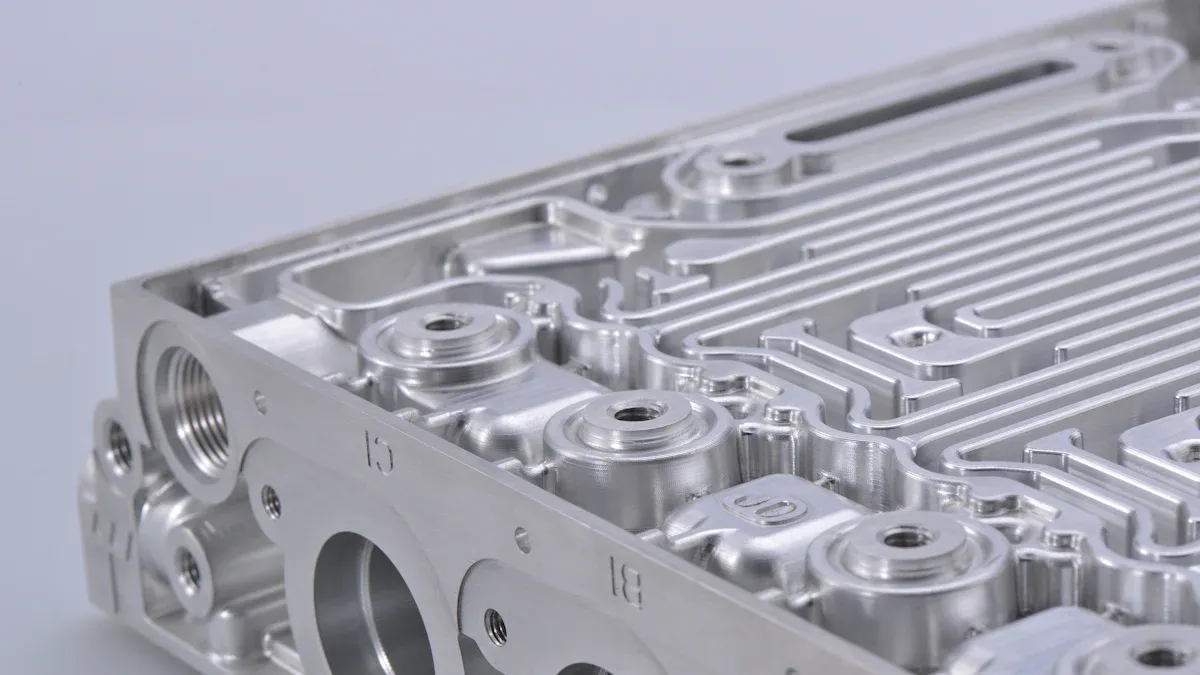
Car makers use hpdc to make important car parts. These parts need to be exact and strong. HPDC makes pieces that are light but tough. This helps cars be safer and work better. Engineers like hpdc because parts fit well and last long. Factories can make many of the same part fast. This helps car companies build cars quicker.
Some car parts made with high pressure die casting are:
Transmission cases
Oil pans
Motor housings
Battery pack enclosures
Inverter covers
Shock towers
Cross-car beams
Subframes
All these parts must be strong and last a long time. HPDC helps make cars lighter. Lighter cars use less gas and make less pollution.
Electronics
Electronics companies use hpdc for things like phones and laptops. Aluminum die castings are light and strong. This makes them good for new electronics. HPDC lets makers design thin and tricky shapes.
Some good things about high pressure die casting in electronics:
Light frames make devices tough and feel nice.
Die-cast heat sinks help keep things cool and safe.
HPDC lets companies make cool new designs that people want.
HPDC helps companies make exact parts. These parts make devices work better and last longer.
Aerospace and Medical
Aerospace and medical fields use hpdc for special parts. Engineers pick this process because it gives steady, good results. The table below shows how hpdc helps in these areas.
Sector | Applications | Benefits |
|---|---|---|
Aerospace | Aluminum structural components, interior supports, equipment mounting brackets, electronic enclosures, non-load-bearing elements, satellite components | Makes parts lighter, saves time building, helps block EMI and control heat |
Medical | Medical device aluminum enclosures, diagnostic equipment housings, surgical tool components, medical imaging equipment structures, laboratory equipment enclosures | Parts are safe for the body, easy to clean, and made to exact sizes |
HPDC is great for jobs that need to be very exact and safe. Companies trust hpdc to make parts that work well and meet tough rules.
HPDC vs Other Die Casting Methods
Low Pressure Die Casting
Low pressure die casting uses gentle air pressure to move molten metal into the mold. This process fills the mold slowly and evenly. Engineers choose this method when they want parts with fewer air bubbles and better strength. The slower fill rate helps reduce defects and makes the metal stronger for heat treatments.
Note: Low pressure die casting is best for parts that need high quality and strong mechanical properties.
The table below shows the main differences between hpdc and low pressure die casting:
Feature | High-Pressure Die Casting (HPDC) | Low-Pressure Die Casting (LPDC) |
|---|---|---|
Pressure Applied | High (700 to 2500 bar) | Low (0.7 to 1.5 bar) |
Fill Rate | Fast | Slow and controlled |
Production Speed | Very fast | Slower |
Porosity | Higher | Lower |
Surface Finish | Excellent | Good |
Mechanical Properties | Less suitable for heat treatment | Better for heat treatment |
Wall Thickness | Thin-walled parts | Thicker sections |
HPDC works well for making many parts quickly. LPDC is better for parts that need to be strong and have fewer defects.
Gravity Die Casting
Gravity die casting uses gravity to let molten metal flow into the mold. This method does not use extra pressure. Factories use gravity die casting for parts that do not need tight tolerances or thin walls. The process is simple and costs less for small batches.
Gravity die casting is good for heavy parts.
It works best for small to medium production runs.
Tooling costs are lower, but each part costs more when making large quantities.
High pressure die casting is more cost-effective for large-scale production. The fast cycle times and high output rates help reduce the cost per part. Gravity die casting is better for jobs that do not need many parts or high precision.
Tip: Engineers pick pressure die casting for complex shapes and high-volume orders. Gravity die casting is chosen for simpler, heavier parts in smaller batches.
Each method has its own strengths. HPDC is ideal for high-speed, high-volume production. LPDC and gravity die casting are better for special jobs that need strong parts or lower costs for small runs.
Factories pick hpdc because it makes parts quickly and very accurately. It can also make parts with tricky shapes. The process uses metals like aluminum and zinc. These metals help make parts that are strong but not heavy. MORELUX is special because it uses new machines and checks quality carefully. Their workers are well-trained. They have their own lab and good systems to make sure parts turn out right. Companies should talk to experts about the part design, how to cast it, and how to cool it. This helps them get the best results.
Benefit | Limitation |
|---|---|
Makes parts fast | Costs a lot to start |
Very accurate | Can’t make all sizes |
Tricky shapes | Not all metals work |
HPDC helps the planet by reusing metal and saving energy.