
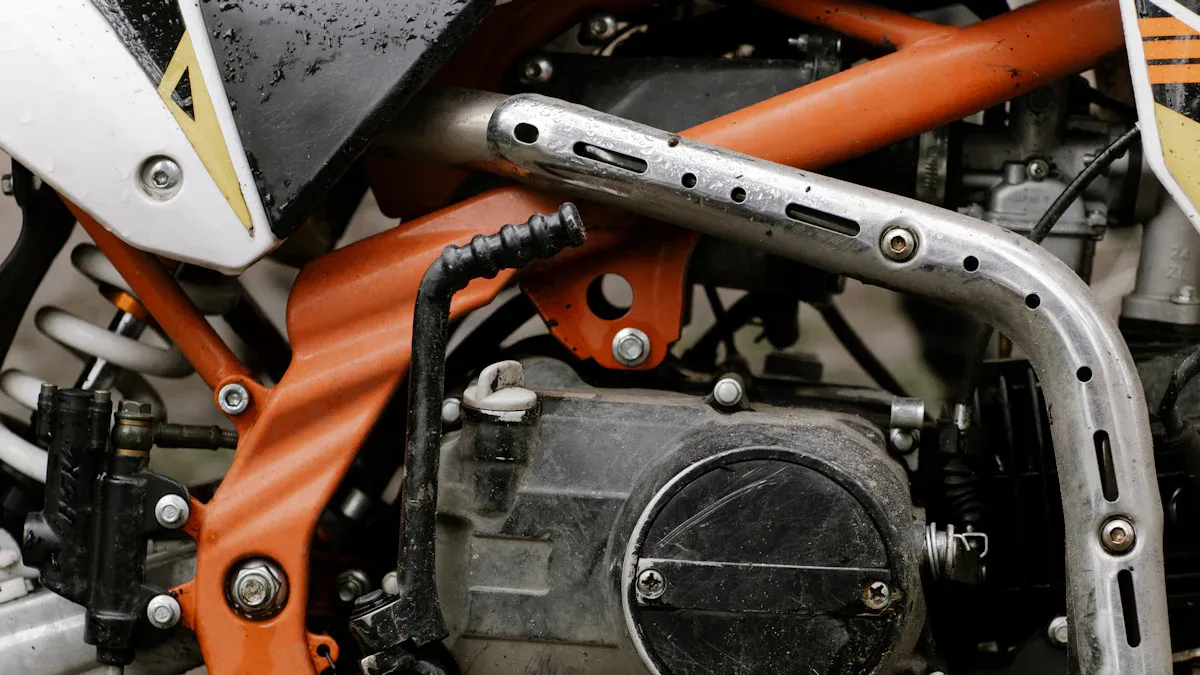
Zinc die-casting plays a crucial role in manufacturing car parts. This process provides excellent precision and produces strong components for new vehicles. Manufacturers rely on zinc die casting to create complex shapes and thin walls with ease. The parts produced fit together perfectly, minimizing the need for additional finishing work. Key advantages for automotive die-castings include:
- Zinc die casting uses less energy and the molds have a longer lifespan compared to aluminum die-casting molds.
- Minimal post-casting work is required, which helps reduce costs.
- Overall, zinc die casting saves money, speeds up production, and results in car parts that are both lightweight and durable.
Zinc Die Casting in the Automotive Industry
What Is Zinc Die Casting?
Zinc die casting is very important for making car parts. In this process, hot zinc alloys are pushed into special steel molds using high pressure. This helps make parts with tricky shapes and smooth surfaces. The parts can have thin walls but still stay strong. Zinc die casting is good for making lots of car parts quickly. Zinc alloys melt at lower temperatures, so less energy is needed. This also means the tools last longer and costs go down.
Zinc die casting helps make detailed car parts that do not need much extra work. Molten zinc flows easily, so even tiny details come out right. This is important for parts that must fit together perfectly in cars today.
Why the Automotive Industry Uses Zinc
Car makers use zinc alloys for many reasons. These materials have special qualities that work well for car parts. Zinc alloys can bend without breaking, so they handle pressure during casting. They are also strong when hit, which is important for parts that get bumped or pressed.
- High ductility and impact strength help car parts last longer.
- Zinc alloys carry electricity and heat, so they work well for connectors and housings.
- They keep their shape, so finished parts stay good for a long time.
- Thin walls help stop rust and make parts stronger.
- Zinc melts at low heat, so factories use less energy and can make more parts.
- Tools last longer, so making car parts costs less.
- Factories can make tricky shapes and very exact parts, which helps with new car designs.
Zinc die casting makes parts look smooth, so painting and coating is easier. This makes car parts look nice and work well. Zinc alloys can be recycled, which helps the environment. Using zinc die casting gives car makers strong, exact, and rust-proof parts that fit what the industry needs today.
Zinc Die Casting Process
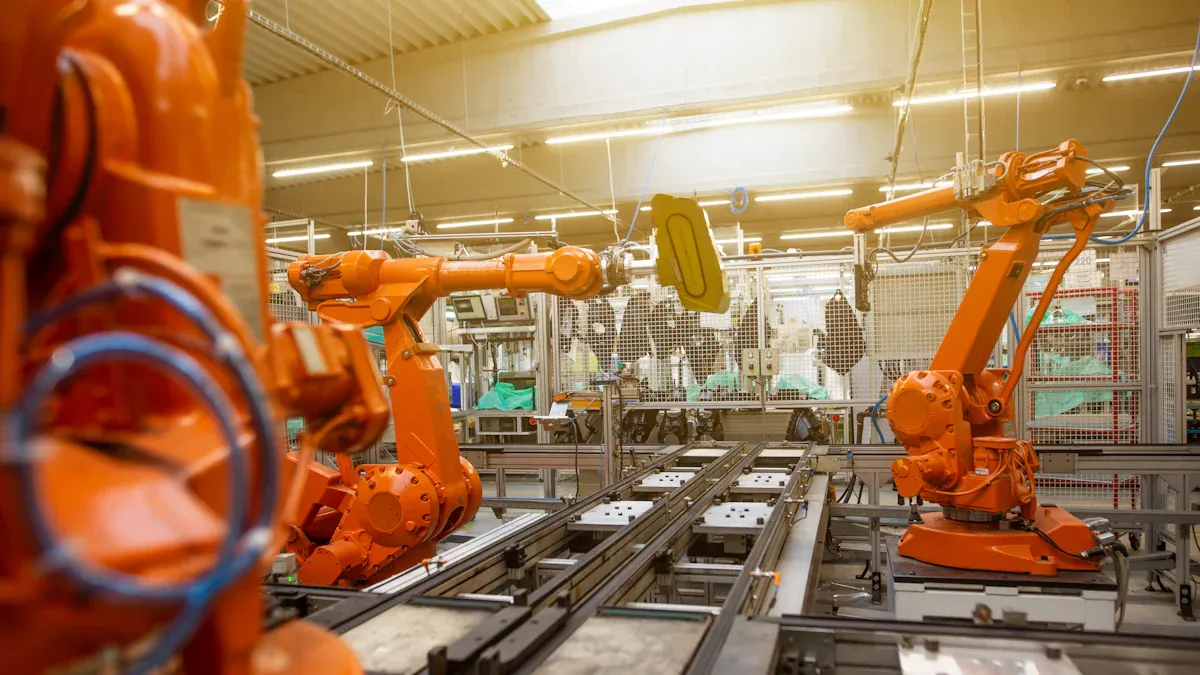
High-Pressure Injection in Zinc Die Casting
The zinc die casting process begins with high-pressure injection. Molten zinc alloy is pushed into a steel mold using strong force. This method is called high pressure die casting. The metal fills the mold fast and reaches every corner. Parts made this way have thin walls and smooth surfaces. They also show sharp details. The pressure used is between 35 and 120 MPa. The metal is injected in as little as 0.02 seconds. These steps help stop air pockets from forming. Each part meets strict rules for car parts.
High-pressure die casting makes production very fast. It creates strong and exact parts for cars. This is great for making many parts at once.
Tooling and Die Design for Automotive Zinc Casting
Tooling and die design are very important in this process. Engineers use CAD to make detailed models of each part. They build steel molds with two halves that fit together well. The process includes heating the mold and melting the zinc alloy. Then, the metal is injected under pressure. New methods like vacuum-assisted and multi-slide die casting help lower defects. They also let factories make more complex shapes. Automation and simulation software help make the process better and faster. This makes zinc die casting more reliable for cars.
| Step | Description |
|---|---|
| Mold Preparation | Make CAD models and build steel molds |
| Machine Setup | Heat the machine and pick the right tonnage |
| Melting and Injection | Melt zinc alloy and inject it with high pressure |
| Cooling and Ejection | Cool the part and open the mold |
| Trimming and Inspection | Remove extra material and check the part |
Surface Finishes and Coatings for Automotive Zinc Die Casting
After casting, parts often get special surface finishes. Some common finishes are wet painting, powder coating, chrome plating, and lacquering. These finishes make the parts look better and last longer. They also help protect car parts from rust and damage. The zinc die casting process needs little extra work after casting. But grinding, machining, and engraving can make the parts even better. These choices make zinc die casting a good option for car parts that need to look good and work well.
Advantages of Automotive Die Casting
Precision and Complexity
Automotive die casting makes very exact car parts. Zinc die casting uses steps to make sure each part is just right:
- Zinc is melted with heaters.
- Hot zinc goes into molds with strong pressure.
- The zinc cools down and gets hard in the mold.
- The new part comes out of the mold.
- Extra bits are taken off by tumbling or sanding.
- Parts are smoothed to match the plans.
- Coatings like powder coating are added for strength and looks.
- Each part is checked for quality.
- Parts are packed to ship.
This way, makers can get parts that are almost perfect in size. Zinc die casting lets them make tricky shapes and thin parts. Other ways cannot do this as well. The process helps make car parts that fit together just right.
| Feature/Aspect | Explanation |
|---|---|
| High-pressure injection | Hot zinc fills steel molds fast, so it cools and hardens quickly. |
| Material properties | Zinc alloys melt easily, flow well, and are strong, so thin and tricky parts are possible. |
| Dimensional accuracy | This way, parts are the right size and need less fixing. |
| Surface finish and aesthetics | Smooth parts are easy to paint or plate, which is good for car trims. |
| Cost-effectiveness | Fast work and using molds again make lots of parts for less money. |
| Automotive application | Used for handles, inside parts, and trims that must be strong and look good. |
Zinc die casting is great for making car parts that are detailed, tricky, and exact. It helps with both how parts work and how they look.
Strength and Durability
Zinc die casting makes car parts strong and tough. Zinc alloys are stronger and harder than aluminum alloys. This means they are good for parts that need to last and keep their shape. The process makes parts that stay the right size, even when things get hot or cold.
| Property | Aluminum Alloy | Zinc Alloy |
|---|---|---|
| Density (g/cm³) | About 2.7 | About 6.7 |
| Tensile Strength (MPa) | 110 to 270 | 280 to 440 |
| Hardness (BHN) | 75 to 120 | 65 to 140 |
| Melting Point (°C) | Around 660 | Around 420 |
| Mold Life (injections) | About 100,000 | About 1,000,000 |
Zinc die casting parts are strong if hit and do not bend easily. They can be made thin and still be exact. Zinc is heavier than aluminum, but it is stronger and lasts longer for many car uses. Special coatings help stop rust, so zinc parts last longer.
Car makers test zinc die cast parts for strength and safety. These tests make sure every part is safe and lasts a long time.
Cost and Efficiency
Zinc die casting saves money for car makers. The machines can make up to 1,000 parts every hour. This makes each part cost less and helps make lots of parts fast. Zinc die casting also makes molds last much longer than aluminum molds.
| Alternative Process/Material | Cost Advantages of Zinc Die Casting |
|---|---|
| Aluminum Diecasting | Lower costs, longer mold life, less fixing, and better finishing. |
| Cast Iron | Lower costs, better size, and less fixing. |
| Machined Brass | Lower costs, less waste, and better size. |
| Machined Steel | Lower costs, better size, and saves more money. |
| Pressed Steel Assemblies | Lower tool and work costs, more design choices, and better size. |
| Magnesium Diecasting | Lower costs, longer mold life, better size, and strong except for weight. |
| Plastic Injection Molding | Lower costs for thick parts, faster work, but plastics need thicker parts, which costs more. |
Zinc die casting uses machines that work by themselves, so less work is needed. This makes the parts the same every time. The process also makes less waste, so it is better for the planet. Compared to other ways, zinc die casting is cheaper, faster, and makes better parts.
Lightweighting and Fuel Economy
Car makers want lighter cars to save gas and cut pollution. Zinc die casting helps by making light, strong, and tough car parts. Zinc melts at low heat and flows well, so it can make thin, tricky parts that weigh less.
- Zinc die casting makes light parts like housings, brackets, and connectors.
- Lighter cars use less gas and make less pollution, which helps meet rules.
- The process helps make cars lighter by using less energy and making molds last longer, so it is cheaper and greener.
- Zinc parts can be recycled, which is good for the earth.
Light zinc parts help cars use less gas and pollute less. These parts help car makers balance how well cars work, what they cost, and how they affect the planet.
Zinc die casting lets makers create parts that are strong, last long, and do not weigh much. This helps car makers build better, greener cars.
Applications of Zinc Die Casting in Automotive Manufacturing
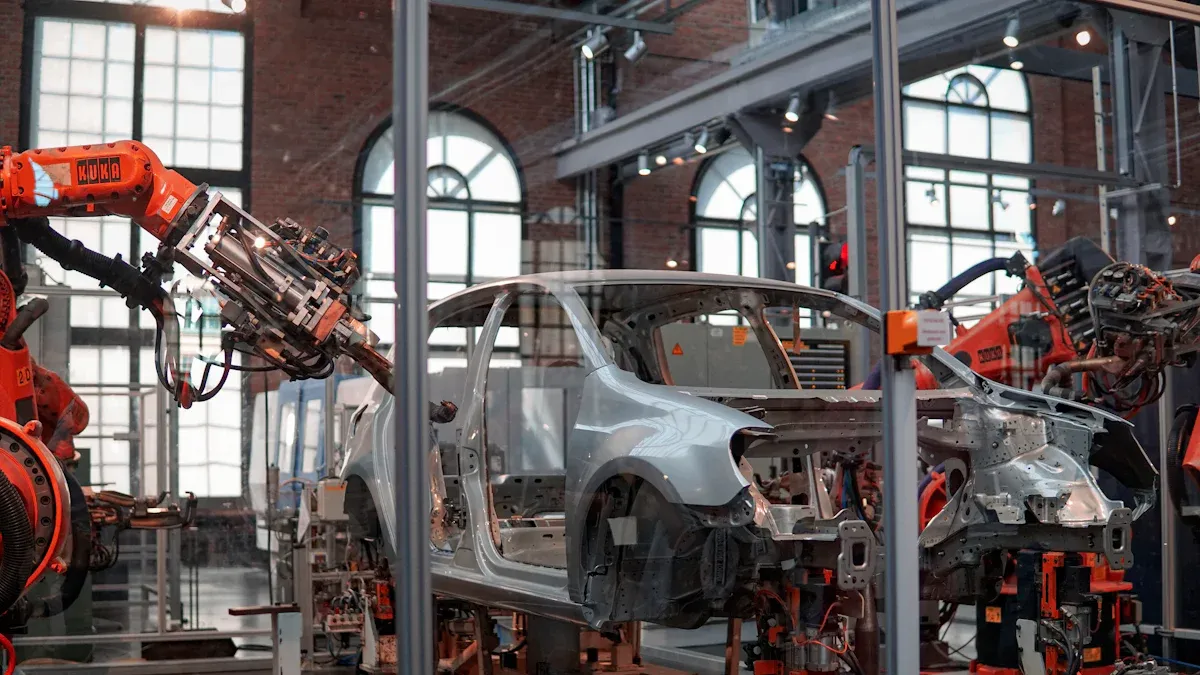
Structural Parts: Frames, Housings, and Mounts in Zinc
Car makers use zinc die casting for many strong parts. This method makes parts that fit well and work safely. The process helps make parts smooth and exact. These parts are used inside and outside cars. Some examples are:
- Sun roofs
- Door opening systems
- Pump housings
- Symbols and signs
- Tank filling covers
- Rear lamps
- Antennas
Zinc is tough and does not bend easily. It also saves money for car makers. Zinc die casting lets makers create tricky shapes and thin parts. This helps cars weigh less but stay strong.
Electrical Components: Switches, Connectors, and Sensor Housings in Zinc
Zinc die casting is important for making car electrical parts. It helps make small, exact pieces that work well in tough places. Zinc alloys are strong, even when thin. They do not rust and let electricity flow well. These things make zinc die casting good for switches, connectors, and sensor housings.
| Property | Zinc Die Casting |
|---|---|
| Strength at Thin Walls | High – ideal for small, precise parts |
| Corrosion Resistance | Excellent – protects against weather |
| Dimensional Accuracy | High – ensures proper fit |
| Electrical Conductivity | Good – supports reliable performance |
| EMI Shielding | Provided – prevents interference |
| Tooling Life | Very long – supports mass production |
| Cost Efficiency | High – reduces manufacturing costs |
| Design Flexibility | Allows complex, thin-walled parts |
| Recyclability | 100% recyclable – supports sustainability |
Zinc die casting makes strong electrical parts quickly and for less money. Sensor housings made this way last a long time and stay the right size. The process also blocks unwanted signals from hurting electronics.
Zinc die casting makes sensor housings that are light, strong, and fit well. This keeps them working right for a long time.
Trim and Decorative Elements: Enhancing Automotive Aesthetics and Functionality with Zinc
Car designers use zinc die casting to make trim and pretty parts. This method lets them make detailed, light, and strong pieces. Chrome plating and other finishes make these parts shiny and hard to scratch. The finish is easy to clean and does not rust.
- Zinc die casting makes trim parts that are light and look nice.
- Chrome plating gives a shiny, tough finish that looks good.
- The finish stops rust, scratches, and fingerprints, so parts last longer.
- The process makes lots of good-looking parts fast and for less money.
| Component Type | Application / Feature |
|---|---|
| Door Handles | Precision and intricate detailing for automotive use |
| Brackets | Structural components requiring strength and detail |
| Interior Components | Decorative and functional trim pieces |
| Steering Components | Parts requiring durability and precision |
These examples show that zinc die casting is used for more than just strong parts. It also helps make cars look better and work well.
The Future of Zinc Die Casting in Automotive Manufacturing
Zinc Alloy Innovations for Automotive Die Casting
Car engineers keep making zinc alloys better for new cars. They use hot runner systems in machines now. These systems do not need sprue or runner channels. This means more parts fit in the mold and parts are made faster. The Frech Dosing System keeps hot zinc close to the gate. This helps stop air from getting in and makes better parts. New alloys like ACuZinc and Ecozinc are stronger and better for the planet. EZAC alloys let makers build thinner and more exact parts. Zinc alloys are now very strong, hard, and tough. These changes help make car parts that last long, do not rust, and have tricky shapes.
- Hot runner systems help make more parts and less waste.
- Frech Dosing System stops bubbles and makes parts work better.
- New alloys like ACuZinc and Ecozinc are strong and good for nature.
- EZAC alloys help make thin and exact car parts.
Automotive Automation Trends Transforming Zinc Die Casting
The rise of EVs significantly boosts demand for zinc die-cast components, especially for electrical and electronic parts such as connectors, sensors, and housings. Zinc’s electromagnetic shielding properties help protect vehicle electronic systems, enhancing reliability and data accuracy for vehicle monitoring systems. The automotive zinc die casting market is projected to grow significantly with a CAGR around 8-13.5% through 2025-2034, fueled by the demand for lightweight, high-precision components and the expansion of automotive automation technologies.
Meeting Evolving Automotive Needs with Zinc Die Casting
Car makers are building more electric and hybrid cars. These cars need smaller, lighter, and more exact parts. Zinc die casting makes battery covers, motor covers, and sensor cases with tight fits. This helps cars use less gas and go farther. Zinc is strong and does not rust, so it works well in tough places. Makers recycle zinc and use less energy to help the earth. They use 3D printing to test new ideas fast. Modular molds help them change designs quickly. Good quality checks make sure every part is just right. As cars change, zinc die casting keeps up by making strong, light, and green parts.
Zinc die casting is still very important for making cars. This process gives:
- Strong parts in many shapes that last a long time
- Parts that are always the same size for big factories
- Parts for both car frames and electric pieces
| Market Trend | Details |
|---|---|
| Growth Drivers | Light, exact parts; more electric cars; rules for clean air |
| Future Focus | More robots, smart factories, green ways, and new metals |
| Regional Leadership | Asia Pacific makes the most; North America and Europe invent new things |
Car engineers and makers trust zinc die casting. It helps them make safe, smart, and new car parts.
FAQ
What makes zinc die casting ideal for automotive parts?
Zinc die casting makes car parts that are strong and exact. It can make parts with tricky shapes. This process uses less energy and does not make much waste. Car makers like zinc because it lasts long and saves money. It also lets them make thin and detailed parts.
How does zinc die casting support lightweight vehicle design?
Zinc alloys help engineers make parts that are thin and light. These parts help cars weigh less. Lighter cars use less gas and meet tough pollution rules.
Can zinc die cast parts resist corrosion?
Yes. Zinc alloys do not rust easily. Makers often add special coatings for more protection. This helps parts last longer, even in bad weather.
Are zinc die cast automotive parts recyclable?
Yes, they are. Zinc die cast parts can be used again and again. Recycling saves money and helps the planet.
What types of automotive components use zinc die casting?
Many car parts are made with zinc die casting. Some examples are door handles, brackets, electrical housings, and trim pieces. These parts need to be strong, exact, and smooth.