

People use aluminium casting for engine blocks and electronic cases. It is also used for other important parts. As the global demand for cast aluminum components accelerates, maintaining mechanical integrity and structural safety is paramount at every stage. For high-complexity components, partnering with a precision-driven manufacturer like MORELUX ensures that rigorous industrial standards are met. This comprehensive, step-by-step technical guide outlines how professional-grade aluminum casting transitions from a molten alloy to a high-performance end product.
Key Takeaways
- Pick the correct materials and tools for your casting method. This helps make good aluminum parts and saves time.
- Always stay safe by wearing protective gear and keeping your workspace clean. This stops accidents and keeps the casting process safe.
- Choose the right casting method for your needs. Sand casting works well for small batches. Die casting is better for making many parts.
Cast Aluminium Preparation

Materials and Tools
Choosing the right materials and tools is the first thing to do. Every casting method needs its own supplies. The table below shows what materials are used and how much they cost:
| Casting Method | Essential Materials | Typical Costs |
|---|---|---|
| Sand Casting | Foundry-grade sand, clay, resin | Economical |
| Investment Casting | Wax patterns, ceramic slurries | Higher due to precision |
| Lost Foam Casting | Polystyrene foam patterns, dry foundry sand | Moderate to high |
Some basic tools are needed. You need a crucible to melt metal. Tongs help you move hot metal safely. Molds are shaped like the part you want to make. Many companies sell molds made for special projects.
Workspace Setup
A safe workspace is very important for casting aluminum. Molten metal gets very hot, between 1300 and 1450 degrees Fahrenheit. The workspace should have:
- Good airflow to clear away fumes.
- Dry tools and surfaces to stop explosions.
- No water or dirt near hot metal.
- Equipment to take hydrogen out of the melt, which makes better parts.
These steps help make strong and dependable aluminum parts.
Safety Guidelines
Safety is always the most important thing when casting aluminum. Workers must:
- Wear personal protective equipment every time.
- Check all tools before starting.
- Keep fire gear close by.
- Work where air moves well.
| Item | Purpose | Notes |
|---|---|---|
| Heat-resistant face shield + glasses | Protects eyes and face from heat/splash | Use molten metal-rated shields |
| Leather apron, jacket, long sleeves | Protects torso and arms | Avoid synthetic fabrics |
| Heat-resistant gloves | Handle tongs and covers | Gloves should be easy to remove |
| High-top leather boots | Protect feet from splashes | Tuck in laces for safety |
| Respirator | Protects from fumes | Needed if burning coatings or fluxes |
| Hearing protection | Shields ears from loud equipment | Use as needed |
Tip: Make sure molds and feedstock are totally dry before pouring hot metal. This keeps you safe from dangerous steam explosions.
Aluminum Casting Processes
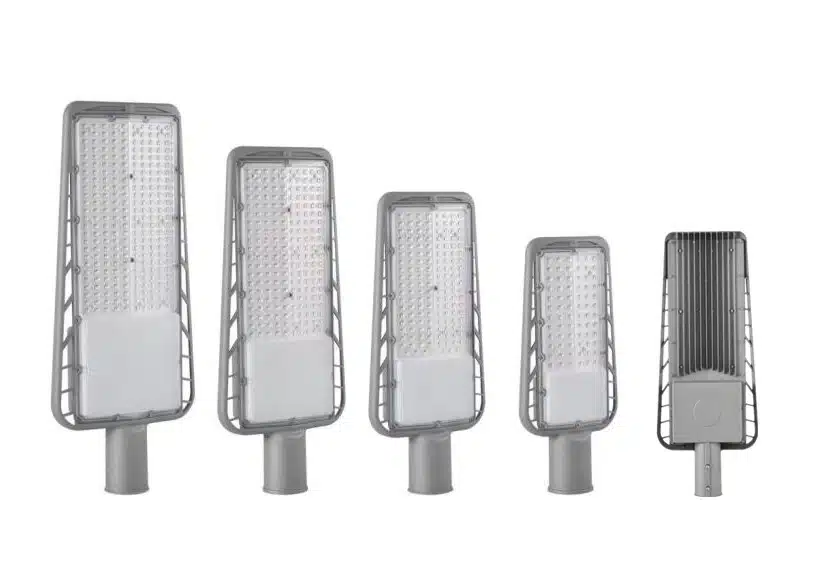
Aluminum casting is very important for making parts. These parts are used in cars, electronics, and machines. Companies use different ways to make aluminum parts. Each way makes parts with different shapes and sizes. The three main ways are sand casting, die casting, and permanent mold casting. Each one has its own good points and works best for certain jobs.
Melting and Pouring
Melting aluminum needs the right temperature. Aluminum melts at about 1220°F. Pouring happens at around 1382°F. Factories use furnaces to melt aluminum. Some furnaces use propane, electricity, or induction. These furnaces give enough heat to melt the metal. Workers pick crucibles made from strong materials. These can be silicon carbide, graphite, or clay-graphite. These crucibles do not break from the heat.
Tools like thermocouples or pyrometers check the temperature. Workers use tongs, pouring shanks, and skimming tools. These tools are safe for hot metal. Ladles with long handles help keep workers safe. Aluminum casting also needs fluxing tools. These tools clean the melted metal.
Industrial manufacturing requires absolute thermal precision; even a minor temperature deviation can compromise the metallurgical structure of the alloy. At MORELUX, advanced melting furnaces paired with automated pyrometers maintain precise pouring windows to optimize fluidity. By specializing in High-Pressure Die Casting (HPDC), the facility eliminates internal defects, providing the high-density, complex components required by the demanding automotive and electronics sectors.
Mold Making
Mold making is a key part of aluminum casting. There are sand molds, ceramic molds, and foam molds. Sand molds let you make many shapes and details. Ceramic molds are used for investment casting. They make very detailed and complex parts. Foam molds copy the shape and size of the part you want.
The mold type depends on the casting method. Sand casting uses sand that cannot be used again. It is good for making a few parts at a time. Permanent mold casting uses metal molds. These can be used many times and are good for making lots of parts. Die casting uses metal molds and pressure to fill them. This is best for making many parts quickly.
| Casting Method | Mold Material | Reusability | Production Volume Suitability | Surface Finish | Dimensional Accuracy |
|---|---|---|---|---|---|
| Permanent Mold Casting | Metal (cast iron, steel) | Reusable | Medium to high production | Better than sand casting | Tighter tolerances |
| Sand Casting | Compacted sand | Not reusable | Small to medium production | Lower quality | Less precise |
Investment casting uses ceramic molds for very detailed parts. This is good when you need parts that are exact and complex. Companies pick the mold based on how many parts they need and how hard the part is to make.
As a premier custom die casting specialist in Malaysia, MORELUX utilizes advanced CAD/CAM software and mold-flow analysis simulations during the tooling design stage. Pre-calculating the molten metal’s velocity and cooling channels ensures optimal gate positioning, significantly accelerating high-volume production cycles while mitigating common structural flaws.
Cooling and Removal
Cooling and taking out the part are important steps. After pouring, the aluminum must cool and get hard. Cooling time changes with the casting method, mold, and part size. Good cooling stops problems and makes the part strong.
Permanent mold casting cools faster and gives steady results. Car and airplane makers like this way because it is strong and reliable. Sand casting takes longer to cool because sand keeps heat in. Investment casting also needs careful cooling to keep small details.
Taking the part out of the mold must be done carefully. Workers use a draft angle of 3° to 5° on straight sides. This helps the part come out easily. Release agents are put on molds to help remove the part. Machines like ejector pins push the part out fast and evenly.
Choosing the Right Aluminum Casting Method
Picking the best casting method depends on how many parts you need, how hard the part is, and your budget. Sand casting is good for making a small number of parts. It is cheap and can make big or tricky shapes. Sand casting is also good for changing designs quickly.
Permanent mold casting is better for making more parts. It gives better size control and smoother surfaces than sand casting. Companies use this when they need parts to be the same every time. But the molds cost more, so it is not good for small jobs.
Die casting is best for making lots of parts fast. It uses pressure and special molds to make strong, light parts. Car makers use die casting a lot because it is quick and makes good parts. Companies pick die casting for big projects that need speed and accuracy.
Investment casting uses ceramic molds for very detailed and exact parts. This way is used in planes, medical tools, and electronics. Big suppliers and custom shops use investment casting for special parts.
MORELUX is a trusted company for die casting. Their factory uses new machines and strict checks for quality. Customers get custom aluminum parts made just for them.
Tip: Companies can help the environment by using recycled aluminum, green energy, and cutting waste. These actions lower pollution, save energy, and make less trash.
New technology in aluminum casting includes robots, smart computers, and quality checks with simulations. Factories use smart systems to watch machines and fix problems before they happen. These new ideas make casting more accurate, faster, and better for the planet.
Cast Aluminium Finishing and Troubleshooting
Surface Finishing
Aluminum casting parts often need finishing to look better and be stronger. Factories use different ways to make parts nice and tough:
- Machining takes away rough spots and makes parts smooth.
- Grinding helps parts fit better and look finer.
- Polishing makes parts shiny and look good.
- Electroplating puts a metal layer on parts to stop rust.
- Powder coating gives parts a strong color that lasts.
- Anodizing makes parts harder and keeps them from rusting.
- Painting adds color and protects parts from weather.
The table below shows more ways to finish parts and what they do:
| Technique | Description | Results Achieved |
|---|---|---|
| Bead Blasting | Makes the surface even and fine | Matte or dull finish |
| Buffing | Uses soft tools for a shiny look | Smooth, shiny surface |
| Tumbling | Uses shaking to smooth parts | Shiny or rough textures |
| Bright Dipping | Takes away dull spots for a bright look | Matte to shiny finish |
| Sublimation | Uses heat to put colors on parts | Detailed, colorful designs |
Surface treatments help aluminum parts last longer. They protect parts from water, salt, and chemicals. These finishes are good for cars, planes, and boats.
Quality Checks
Quality checks make sure aluminum parts are made right. Factories clean parts, heat treat them, and check them before sending them out. These steps help parts stay strong and work well. Common checks include:
- Using dry molds to stop bubbles in metal.
- Adding vents so air can move out.
- Cleaning molds for smooth parts.
- Following rules for melting and pouring.
- Checking parts by looking and using special tests.
Common Casting Issues
Problems can happen when casting aluminum parts. The table below shows common problems, why they happen, and how to fix them:
| Defect | Cause | Prevention |
|---|---|---|
| Gas porosity | Air or water in metal | Remove gas, keep tools dry |
| Shrinkage cavity | Not enough metal in mold | Use feeders, cool slowly |
| Cold shut | Metal too cool or slow | Pour hotter metal |
| Hot tearing | Metal shrinks too fast | Change shape, cool slower |
| Oxide inclusion | Oxides in melted metal | Skim off dross, use filters |
| Sand inclusion | Bad mold quality | Use better sand, prep molds well |
To fix these problems, suppliers can change alloys, make better molds, and control heat. Talking to a casting engineer helps solve hard problems.
Casting aluminum parts involves several steps:
- Design the part and choose the right mold.
- Prepare the alloy and workspace.
- Melt, pour, and cool the metal.
- Finish and inspect the part.
Safety matters. Always wear protective gear, keep the area clean, and work slowly. Simple aluminum casting projects help beginners learn and grow.
FAQ
What is the safest way to melt aluminum at home?
You should use a propane furnace or electric furnace outdoors. Always wear safety protective equipment. Keep water away from hot metal.
What is the difference between die casting and sand casting?
Die casting uses metal molds and high pressure to quickly and precisely manufacture parts. Sand casting uses sand molds and can create parts of various shapes, but in smaller quantities.