
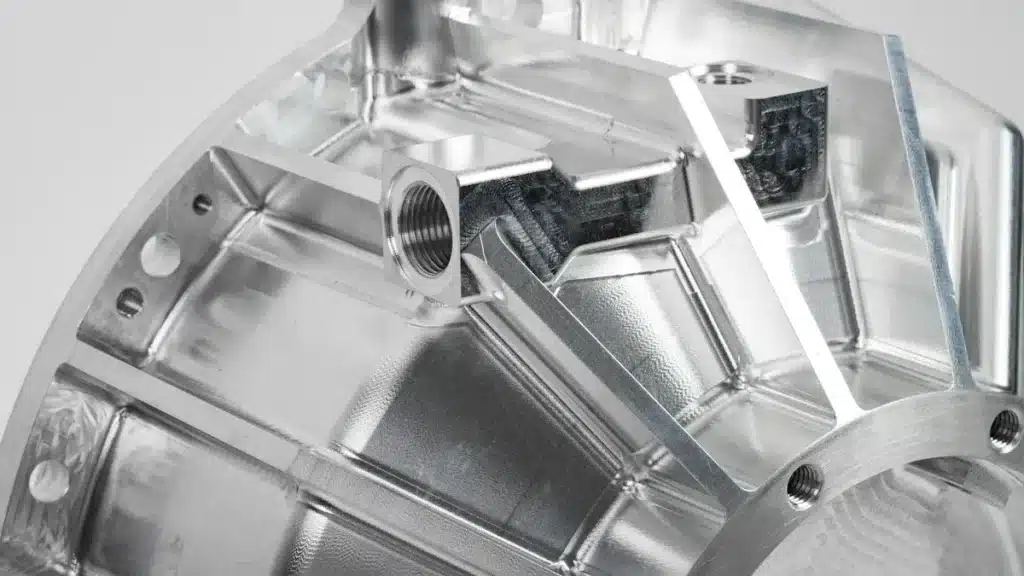
The price of aluminum die castings typically ranges from $0.20 to $5 per piece. The price depends on the size and design of the part. Aluminum alloys such as A380 and ADC12 range from $1.30 to $3 per kilogram. You can see the prices in the table below:
| Alloy Type | Cost per Kilogram (USD) |
|---|---|
| A380 | 1.3 – 1.4 |
| ADC12 | 2 – 3 |
The cost of aluminum die casting molds ranges from $10,000 to over $100,000. This is significantly higher than the cost of conventional casting. Costs vary depending on design complexity, the number of parts, and the supplier’s location. Other factors such as part size, wall thickness, and special features also affect the price. Increasing the number of parts helps reduce the cost per part. MORELUX provides precise aluminum die casting solutions. They offer specialized customization services for numerous industries.
Key Takeaways
- The price of aluminum die castings ranges from $0.20 to $5 per piece. The price depends on the size and complexity of the design. The cost of die-casting molds for aluminum can be as high as $10,000, or even over $100,000. This means that ordering more parts at once is crucial. Ordering more parts helps reduce the cost per part. The material you choose has a significant impact on the price. Aluminum alloys are generally cheaper than other metals, which is why many people choose aluminum alloys. You should understand all cost factors, including labor, energy, and supplier markups. This helps buyers make informed choices and avoid extra costs. Request a detailed quote from your supplier. This will give you a clear understanding of the costs and better control over your project.
Aluminum Die-Cast Cost Overview

Aluminum Die-Cast Price Per Part
The cost of aluminum die-cast parts ranges from $0.20 to $5. Many factors affect the price. The table below shows the factors affecting the cost per part:
| Factor | Description |
|---|---|
| Material Selection | Choosing aluminum or another metal will affect the price. |
| Mold Cost | The initial cost of mold making is high, but the cost decreases as the number of parts increases. |
| Production Volume | The more parts produced, the lower the cost per part. |
| Part Complexity | Parts with complex shapes or special functions are more expensive. |
| Labor and Overhead | Labor wages, energy costs, and plant costs all contribute to the total cost. |
Simple-designed parts are less expensive. Parts with thinner walls or special functions are more expensive. If a company orders large quantities of parts, mold costs can be spread out, reducing the cost per part. MORELUX employs several smart methods to help customers save costs in aluminum die-casting projects.
Aluminum Die-Cast Cost Per Kilogram
Cost per kilogram depends on the price of aluminum and supplier markups. The cost of aluminum itself is approximately $8.38 per kilogram. However, suppliers typically charge up to $24.20 per kilogram. This additional cost covers labor wages, energy costs, and other requirements. Prices fluctuate with market changes. Last year, the export price for aluminum die-castings from Latin America was $4.50 per kilogram. The import price was $6.00 per kilogram. These figures illustrate how international prices affect the final cost.
Customers should carefully review the items included in a quote when requesting one. Some suppliers will offer a lower base price but will charge additional processing or shipping fees. MORELUX offers clear and transparent pricing, allowing customers to understand the total cost per kilogram.
Tooling and Startup Costs
Mold and startup costs are a significant component of the total price. Mold manufacturing costs for aluminum die castings range from $5,000 to $150,000. The high price is due to the need for a specialized mold for each part. This cost is worthwhile if you produce a large volume of parts. The higher the production volume, the lower the cost per part.
The table below explains mold and startup costs:
| Aspect | Details |
|---|---|
| Initial Cost | Higher costs due to custom-made molds |
| Practicality for Small Runs | Not suitable for small batch production |
| Justification for High Cost | Best suited for producing large volumes of parts |
| Per-Piece Cost | Very low if production volume is high |
Better molds, such as those used by MORELUX, offer faster production speeds despite higher initial costs. Multi-cavity molds are more expensive but can produce more parts at once, thus reducing the price per part. Aluminum molds are less expensive than steel molds but can produce more parts at once. Steel molds are more expensive, but can produce over 500,000 parts at a time, making them more suitable for mass production.
When considering mold costs, customers should consider both the initial price and long-term savings. A quote from a reliable supplier will list all costs, such as molds, materials, and labor. This helps companies plan ahead and avoid unexpected expenses.
Tip: Always request a quote that includes all costs. This helps you compare suppliers and effectively control aluminum die-casting costs.
Main Aluminum Die-Cast Factors
Material Cost
Material costs are a significant component of die-casting prices. Aluminum is cheaper than magnesium or zinc. Therefore, many industries use aluminum die-castings. Aluminum alloy prices fluctuate, and businesses need to closely monitor these changes as they affect the cost of each project. Engineers select alloys based on strength, weight, and price. Aluminum is lightweight, strong, and affordable. MORELUX helps customers select the best alloys to reduce costs while maintaining quality.
Energy and Labor
In die casting, energy and labor costs are critical. Workers operate machines and inspect finished parts. Die casting uses high-pressure machinery, which requires electricity and skilled workers. High energy costs increase production costs. Labor costs vary by region and skill level. MORELUX trains workers and employs smart workflows, which helps reduce waste and control costs. Low energy and labor costs make aluminum die castings more affordable.
Tooling Design
Mold design impacts die casting costs from the outset. Good molds produce better parts and reduce scrap. Poor design leads to defects and higher costs. The table below shows how mold design affects costs:
| Factor | Impact on Cost |
|---|---|
| Tool Design | Affects product quality and production speed; poor design leads to defects. |
| Runner and Vent Systems | Facilitates metal flow and prevents air stagnation; poor design causes problems. |
| Cooling Circuit Design | Uneven cooling can cause part deformation; good design improves part quality and extends mold life. |
| Tooling Inserts | Modular parts lower repair costs and make fixes faster. |
| Tool Material | Better materials last longer and save money on repairs. |
MORELUX uses CAD and simulation tools to design molds. This helps control costs and improves die-casting quality. The more you invest in molds upfront, the more you save later.
Overhead and Quality Control
Administrative costs include plant maintenance, management personnel salaries, and equipment repair costs. Quality control helps reduce waste and errors, thereby lowering these costs. Good quality control can prevent delays and defects. New technologies such as artificial intelligence can detect problems early, ensuring a smooth die-casting process and high-quality parts. MORELUX carefully inspects every aluminum die-casting. Good quality control saves costs and satisfies customers.
Note: Understanding each cost factor helps buyers understand the true price of die-castings. Careful planning and working with experienced suppliers like MORELUX can get you better prices and higher-quality parts.
Calculating Aluminum Die-Cast Part Cost

Calculating the cost of aluminum die-castings depends on more than just material prices. Businesses need to consider every step from design to delivery. Actual costs include materials, machine hours, labor, and other hidden costs. Buyers should request a quotation detailing each step of the process.
The following simple table can help you calculate the total cost of a single aluminum part:
| Cost Component | Amount (USD) |
|---|---|
| Material cost (1 kg of die-casting blank) | 4.3 |
| Cost of die-casting machine | 1 |
| Labor costs | 0.08 |
| Total Cost | 5.38 |
This table lists the main components of manufacturing costs. However, businesses also need to add the costs of molds, inspection, and additional services. The following formula shows how to calculate the total cost of a part:
- Total Part Cost = (Mold Manufacturing Cost / Output) + Machining Cost + Casting Material Cost
Other factors, such as indirect costs and scrap rates, will also affect the final price. Buyers should always carefully review quotations for hidden charges such as setup fees, inspection fees, or energy surcharges.
Volume and Complexity
The quantity of parts ordered and the complexity of their manufacturing both affect costs. If a company orders a large quantity of parts, the cost per part will be lower because mold costs can be spread across multiple parts. Smaller order quantities result in higher costs per part.
Complex shapes or special features increase costs. These parts may require special molds, longer processing times, or additional steps. The table below shows how these factors affect costs:
| Factor | Impact on Cost |
|---|---|
| Production Volume | Lower production volumes result in higher costs per part due to higher mold costs; higher production volumes result in lower costs per part because mold costs can be spread. |
| Tooling Cost | Hard designs need special molds, which cost more. |
| Cycle Time | Complex shapes require longer processing times because their filling and cooling rates are slower. |
| Secondary Operations | Thin walls or deep pockets may need extra work, which costs more. |
To save costs, engineers can simplify part structures, use uniform wall thickness, and set smaller draft angles. Choosing high-quality aluminum alloys and omitting additional steps also helps reduce costs. Businesses should request quotations from suppliers explaining how quantity and complexity affect the price.
Supplier Markups
Supplier markups significantly impact the final price. Markups cover the supplier’s operating costs, profits, and additional service fees. Some suppliers charge processing fees, special inspection fees, or expedited shipping fees, while others include these in the main price.
When reviewing quotations, buyers should be aware of hidden costs. These costs may include setup fees, environmental fees, or additional labor costs. X-ray inspections or dimensional checks can also increase costs. Buyers should request suppliers to explain each charge.
Tips for working with suppliers:
- Reduce shipping and warehousing costs.
- Use digital tools to match orders with production.
- Reduce the number of parts and streamline the procurement process.
- Work with suppliers with a wide range of services to reduce costs.
- Choose modular molds to save on maintenance costs.
A clear quotation helps buyers understand where cost savings are possible and avoids unexpected expenses.
Location and Services
The supplier’s location and the services they provide affect the cost of aluminum die castings. Suppliers in different regions vary in terms of energy, labor, and transportation costs. For example, aluminum die casting typically uses cold chamber machines, which require more energy and time than other methods. Therefore, higher energy costs result in higher prices.
Suppliers may offer additional services such as custom design, surface treatment, or assembly. These services can add value but also increase the price. Buyers should identify the services they require and confirm whether these services are included in the quotation.
When calculating the cost of die castings, buyers should:
- Compare quotations from different suppliers.
- Look for hidden fees and additional costs.
- Request a detailed breakdown of all costs.
- Try to negotiate a better price based on order size and services offered.
Tip: Always request a quotation that includes all costs and carefully review it. This helps buyers understand the actual price and choose the best supplier for their aluminum die casting project.
Aluminum die casting projects involve many major cost factors. People want lighter aluminum parts. Specifications and expensive equipment also affect costs. Buyers can save money by requesting a quote that includes all costs, such as mold fees, machining fees, and shipping costs. They should use prices that fluctuate with the aluminum market. Adding risk-sharing clauses also helps. Using two suppliers and tracking raw material prices helps control costs. Experienced suppliers like MORELUX can provide reasonable prices, good quality, and consistent cost savings. A supplier’s certifications and good reputation mean fewer errors and better aluminum parts. New case studies demonstrate that smart changes and better approaches can save money and improve efficiency.
FAQ
What are the main factors affecting die casting costs?
The main factor affecting cost is the quantity of parts manufactured. Higher production volume can reduce the cost per part. The choice of mold and materials also affects the total cost.
How does part design affect cost?
Complex shapes or thinner wall thicknesses increase costs. Simpler designs help reduce costs. Engineers can reduce costs by choosing simpler shapes and uniform wall thicknesses.
Why are die casting molds so expensive?
Mold costs are high because each mold is custom-made. Costs cover design, materials, and skilled labor. Manufacturing more parts can spread mold costs.
Does the cost of aluminum die castings change over time?
Yes, costs do change. Market prices of materials and energy affect costs. Companies should review the latest cost information before starting a new project.
How can buyers control the total cost of a project?
Buyers can control costs by ordering more parts, choosing simpler designs, and working with experienced suppliers. They should request detailed quotes from suppliers listing all costs and compare them.
Note: Be sure to carefully check every item in the quote to avoid any unexpected situations.