
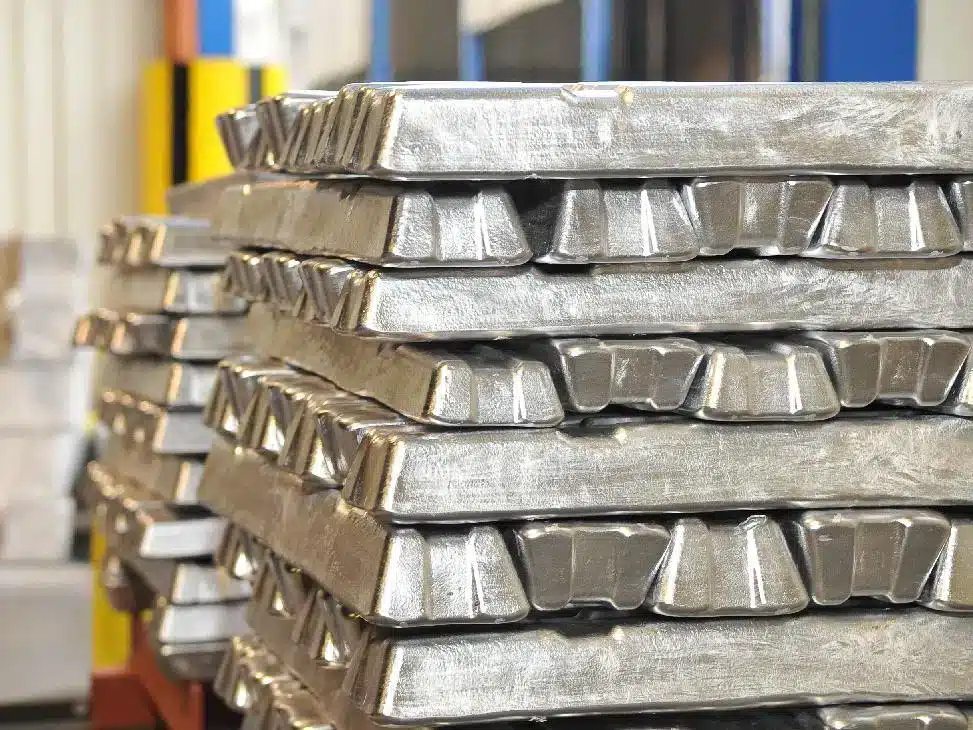
Aluminum die casting uses strong pressure to push melted aluminum into steel molds. This makes parts that are exact and last a long time. MORELUX has over 20 years of experience. They are known for making strong parts with smooth surfaces. The aluminum die casting process is fast and does not waste much material. You can see this in the table below:
| Metric | CNC Machining | Precision Casting | Benefit of Casting |
|---|---|---|---|
| Material Waste | High (Chips) | Low (Recyclable runners) | Eco-friendly |
| Cycle Time | Minutes/Hours | Seconds/Minutes | High Throughput |
| Unit Cost (High Vol) | Constant | Decreases rapidly | Scalability |
The world market for aluminum die casting was $80.16 billion in 2024. It may grow to $156.3 billion by 2032. Aluminum is light but strong and does not rust easily. This makes it a favorite for many companies.
Key Takeaways
- Aluminum die casting produces high-precision, durable components suitable for mass production.
- This process is quick and good for the environment. It does not waste much material. Up to 95% of aluminum can be recycled.
- Quality control is very important. Workers check the parts at every step. This makes sure the parts are good and have no mistakes.
- Aluminum die casting is used in many industries. These include automotive, lighting, and machinery. It gives parts that are light and last a long time.
- MORELUX use advanced technology. They also have over 20 years of experience. This means you get high-quality parts.
Aluminum Die Casting Process Overview
Main Stages
MORELUX uses hot and cold chamber methods. The cold chamber method is best for aluminum. It can handle high heat and stops corrosion. This method makes strong parts but takes a bit longer. The hot chamber method is not good for aluminum because it melts at a high temperature.
Equipment Used
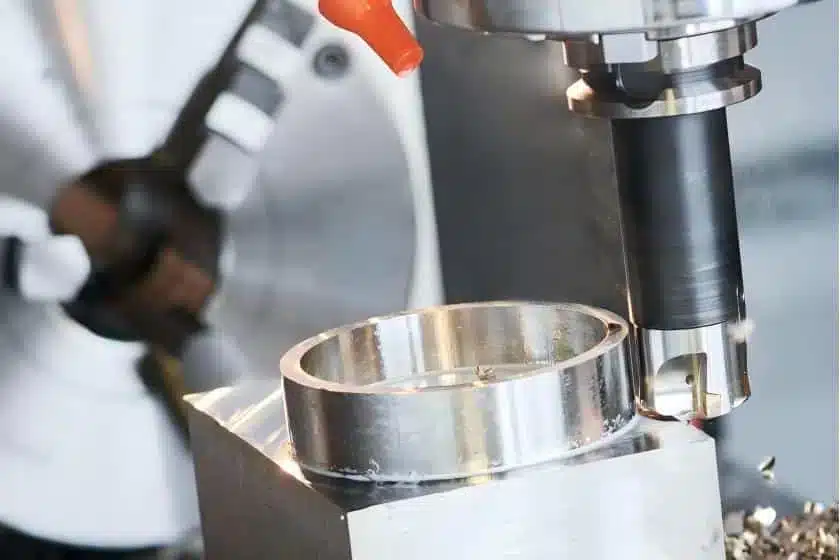
Modern aluminum die casting uses special machines for accuracy and speed. MORELUX uses high pressure die casting machines to push melted aluminum into molds. These machines work with both hot and cold chamber methods. Automated systems help control heat, pressure, and timing. CNC machines finish parts so they fit exactly. Vacuum-assist units help make better parts by removing air bubbles.
Using advanced machines and automation helps MORELUX keep quality high. Every aluminum part meets strict rules. This also helps make lots of parts quickly.
Aluminum Casting Manufacturing Steps
Die Preparation
The aluminum die casting process starts with die preparation. Workers at MORELUX heat the steel die between 150°C and 300°C. This keeps the die safe from sudden temperature changes. It also helps the melted metal flow smoothly. Next, they spray a release agent on the die. This is usually a graphite-based spray. The coating makes it easier to remove aluminum parts. It also protects the die from sticking and wearing out.
MORELUX uses special treatments to make the die last longer and improve quality:
- Die coatings protect the die from heat and pressure.
- PVD coatings like Titanium Carbonitride make the surface harder.
- Hard coatings such as TiN stop erosion and heat damage.
- Heat treatment with coatings slows down cracks from heat, so the die lasts longer.
Melting Aluminum
The next step is melting aluminum alloys. MORELUX picks alloys like A360, A380, and A413. These alloys are strong and resist corrosion. They also work well for casting. Workers melt aluminum in a furnace. They keep the temperature right for each alloy.
The aluminum die casting process needs careful temperature control. This helps the metal fill the mold completely. Good melting stops defects and keeps the process fast.
Injection and Molding
When the aluminum is hot enough, workers move it to the cold chamber die casting machine. The cold chamber method works well for aluminum. It handles high heat and lowers oxidation. The machine pushes melted aluminum into the steel mold with strong pressure. This step shapes the aluminum into the needed part.
Injection speed is very important in the aluminum die casting process:
- The right speed fills the mold fully.
- Slow speeds can cause weak spots in the part.
- Fast speeds may trap air and cause holes.
- Setting the best speed stops defects and makes better parts.
MORELUX uses smart controls to pick the best injection speed. This helps make good parts in large amounts.
Cooling and Ejection
After injection, the aluminum cools and gets hard inside the mold. Cooling systems keep the temperature steady. This helps the parts form the right way. Workers watch the cooling to make sure the metal hardens evenly.
When the aluminum parts are solid, the machine opens the mold. Ejector pins push the parts out gently. Good timing and careful design stop defects and keep the parts strong. MORELUX uses real-time monitoring to adjust the process. This makes sure every aluminum part meets strict quality rules.
Trimming and Finishing
The last steps in the aluminum die casting process are trimming and finishing. Workers cut off extra material like flash, sprues, and gates. They use hand tools or special dies for this job.
- Trimming removes extra metal from the mold.
- Machining uses CNC machines to make parts fit exactly.
- Polishing and buffing make surfaces smoother and look better.
Finishing depends on how the part will be used:
- Standard finish (Ra 1.6–3.2 µm) is for industrial parts.
- Cosmetic finish (Ra 0.4–1.6 µm) is for consumer products.
- Mirror polish (Ra ≤0.2 µm) gives a shiny look for decorations.
Extra services like CNC machining and surface finishing make aluminum die casting more valuable. CNC machining makes parts fit well and work right. Surface finishing makes parts look good and adds protection, so they last longer.
The final finish of custom aluminum parts can be shiny, smooth, or tough. This makes each product both useful and nice to look at.
The aluminum die casting process at MORELUX uses careful preparation, exact melting, controlled injection, balanced cooling, and skilled finishing. This helps make lots of parts for cars, lights, and factories at a good price.
Quality Control in Aluminum Die Casting
In-Process Inspections
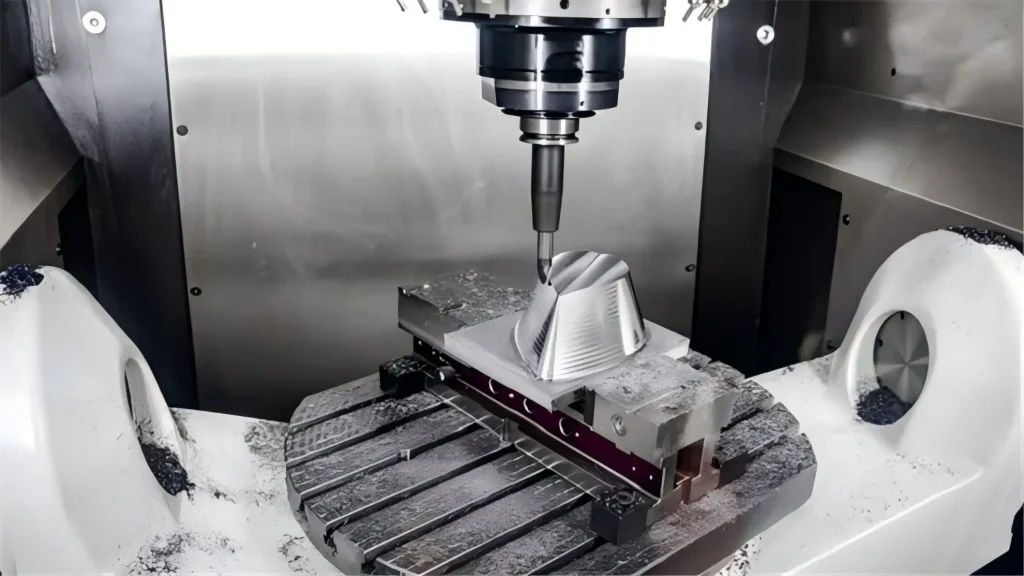
Quality control starts before making parts. Workers at MORELUX check the aluminum’s chemical and mechanical properties. They make sure only good aluminum is used. During aluminum die casting, workers watch melt points and injection pressure. Vision inspection systems scan each part as it leaves the mold. These systems give quick feedback and help workers find defects early. X-ray imaging checks for flaws inside, like gas holes or shrinkages, without hurting the part.
Common defects found during inspections are porosity, cold shuts, misruns, shrinkage cavities, and surface imperfections. The table below shows how workers stop these problems:
| Defect Type | Cause(s) | Prevention Measures |
|---|---|---|
| Porosity | Trapped air or gas | Vacuum-assisted casting, precise pressure control |
| Cold shuts | Metal fronts fail to fuse | Optimal melt temperatures, uniform heating |
| Misruns | Aluminum solidifies before filling cavity | Refined gate geometry, proper melt temperature |
| Shrinkage cavities | Uneven cooling | Advanced thermal control, uniform cooling channels |
| Surface imperfections | Mold wear or contamination | Regular die maintenance, post-casting finishing |
MORELUX uses automated inspection systems and improvement programs. These steps help keep quality high and customers happy.
Final Checks
After making parts, workers do final inspections. They measure each aluminum die casting part to check strict tolerances. The table below shows common tolerances for aluminum parts:
| Size Range (inches) | Tolerance (inches) |
|---|---|
| Up to 1″ | ±0.005″ |
| 1″ to 3″ | ±0.007″ |
| 3″ to 6″ | ±0.010″ |
| Over 6″ | ±0.002″ per inch |
Workers also check things like hole diameter, thread depth, position, and concentricity. They use vision systems and CMMs for accuracy. Regular machine care and training help stop defects and keep quality high. MORELUX follows ISO 9001 rules to make sure every aluminum die casting part meets customer needs.
Quality control at MORELUX covers every step, from testing materials to final checks. This process makes sure aluminum parts are strong, exact, and reliable for many industries.
Applications of Aluminum Die Casting
Aluminum die casting helps many industries by making strong and light parts. These parts are used in cars casting, lights casting, and machines casting. The process makes parts that last a long time and do not rust. Aluminum can be recycled easily, so it is better for the environment.
Automotive casting
Car makers use aluminum die casting for many car parts. This process makes parts that are light and strong. Lighter cars use less gas and work better. Some car parts made this way are:
- Engine blocks and cylinder heads
- Intake manifolds and oil pans
- Gearbox housings and torque converter covers
- Battery covers and motor housings for electric vehicles
- Chassis parts, brackets, and cross members
- Door fittings, mirrors, and exterior trim
- Heat sinks and fan impellers
Aluminum die casting gives these parts a good strength-to-weight ratio. The process also makes solid parts with fewer problems. This helps cars be safer and work well.
Lighting casting
Aluminum die casting is great for making lighting parts. Aluminum can be shaped into many forms, so designers have more choices. The parts are light, so they are easy to put up, even on ceilings or outside. Some good things about aluminum for lights are:
- It moves heat away, so LED lights stay cool
- It does not rust, so lights last longer outside
- The parts are strong but not heavy, so designs can be creative
These reasons make aluminum die casting good for LED downlights, troffers, and outdoor lights. The process also makes it cheaper to make lots of lights at once.
Industrial Machinery casting
Factories use aluminum die casting to make machine parts that must work well. These parts need to be tough and exact. Aluminum is strong for its weight and does not rust. Some benefits for machines are:
- Parts are made to the right size for moving pieces
- Aluminum moves heat away, so machines do not get too hot
- Complex shapes can be made for special tools
- The finish lasts a long time, so parts do not wear out fast
This makes it better for the planet. Making lots of parts at once keeps costs low for factories.
Aluminum die casting combines speed, precision, and sustainability, making it a preferred manufacturing method for modern industries.
Aluminum die casting is good for the planet because aluminum can be used again and again. It also uses less energy. People should pick this process if they want strong, light, and earth-friendly parts for many uses.
FAQ
What is aluminum die casting used for?
Aluminum die casting makes parts for cars and lights. It also makes parts for machines and aerospace. Companies pick this process because parts are strong and light. The finish is smooth. Many things we use every day have these cast parts.
How does aluminum die casting help the environment?
Aluminum die casting uses the same mold many times. Workers recycle most leftover metal. This process saves energy and cuts down waste. Aluminum parts can be recycled again after they are used.
Can aluminum die casting make complex shapes?
Yes, aluminum die casting can make detailed shapes. It forms parts with thin walls. Designers can add holes, curves, and special features. This process helps make products that are strong and light.
What industries use aluminum die casting?
Many industries use aluminum die casting. These include cars, lights, machines, and aerospace. The process makes lots of parts and keeps quality high.
Why choose MORELUX for aluminum die casting?
The company uses advanced machines and strict quality control systems to ensure consistent results.