
Die casting for medical die-castings sets a new level in this field. Hospitals and clinics need devices that are very precise and safe. Die casting gives great precision for medical tools, often utilizing materials like zinc die-casting for high tolerance components. It makes sure every part meets tough safety rules. Makers use die casting for medical devices to get exact sizes and smooth surfaces. Lightweight and corrosion-resistant materials, such as aluminum die-casting, are frequently chosen for instruments. Doctors and nurses trust these devices for safety and dependability. Precision and safety are always most important in medicine. This makes die casting a key process for today’s medical devices.
Fact: Modern surgical tools made with die casting can stay precise within microns. This lowers risk and helps patients get better results.
Key Takeaways
- Die casting makes exact and safe parts for medical devices. Doctors and nurses can trust these parts. Using die casting helps save time and money. It also makes strong and light devices. These devices are easier to use. Die casting lets people make custom designs. The smooth surfaces help keep devices clean and safe. Good materials like aluminum and zinc make devices safer. They also last longer. New die casting ideas will make devices better. They will be more accurate, lighter, and more reliable.
Medical Device Manufacturing Needs
Precision and Safety in Medical Device Manufacturing
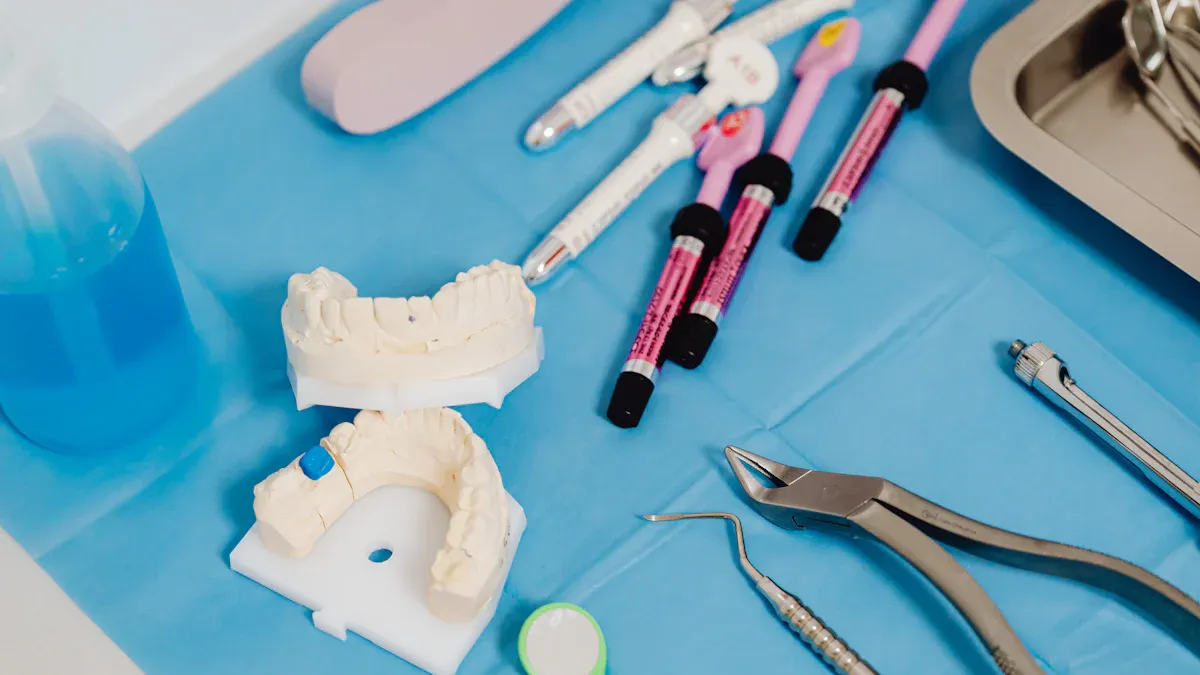
Medical devices need to be very precise and safe. Doctors and nurses use these tools for important jobs. If tools are exact, they work better and help patients more. This makes mistakes less likely and helps people get well. Nurses and doctors want tools that meet high quality rules. Making tools with high precision helps reach this goal. Quality control checks each step to keep things safe and correct. Makers use special ways to get high precision. These ways help make tight fits and smooth surfaces. Tools made this way help doctors find and treat problems. Safety is always the most important thing in hospitals. Precision and safety work together to keep everyone safe. Devices must pass hard tests to show they are safe. Quality rules help design and make these tools. High precision also makes tools last longer. Good tools help people trust their care.
Note: When medical devices are made with high precision, there are fewer problems and patients are happier.
Meeting Compliance in Medical Device Manufacturing
Medical device rules are very strict about safety and quality. Every device must follow these rules to be sold. Following these rules means devices are safe everywhere. Makers must write down every step they take. This shows that devices follow all the rules. Quality checks make sure devices are safe and correct. Inspectors visit factories to check the rules are followed. Devices must always be safe and work the same way. Following rules keeps patients safe and helps everyone. Makers train workers to learn new rules. High precision helps companies follow the rules. Rules change when new technology comes out. Companies must change too, to keep devices safe and working.
Die Casting Benefits in Medical Devices
Cost and Efficiency Gains with Die Casting
Die casting helps companies save both money and time. Factories can make lots of devices very quickly this way. Machines shape metal fast and do not waste much material. This makes each device cost less to make. Companies can give these savings to hospitals and clinics. Die casting also makes devices lighter. Lighter devices are easier for doctors and nurses to use. Hospitals want devices that last long and work well. Die casting makes strong parts that do not break easily.
Tip: Using die casting helps companies save money and deliver products faster.
Design Flexibility and Customization in Die Casting
Die casting lets medical devices come in many shapes and sizes. Engineers can add special design features for different needs. They can put in small details or make smooth surfaces. Custom tools help doctors do their jobs better. Die casting makes thin but strong parts to lower weight. Lighter devices are easier to hold and use. Companies can change designs fast if they need to fix something.
- Die casting for medical devices helps with:
- Custom handles for surgical tools
- Unique shapes for device casings
- Smooth finishes for easy cleaning
Future Trends in Die Casting for Medical Devices
The future of die casting for medical devices looks good. New machines can make parts even more exact. Factories use better metals for safer and stronger devices. Many companies use die casting to make smaller and smarter devices. They want to help doctors do their work better. More hospitals want devices that are light and strong. Die casting will keep helping with these needs. Experts think die casting will be used even more as technology grows.
| Trend | Impact on Medical Devices |
|---|---|
| Better metals | Safer and longer-lasting |
| Smarter machines | More precise and complex parts |
| Focus on weight | Easier to use and transport |
Die Casting Applications and Techniques in Medical Devices
Material Choices for Die Casting in Medical Device Applications
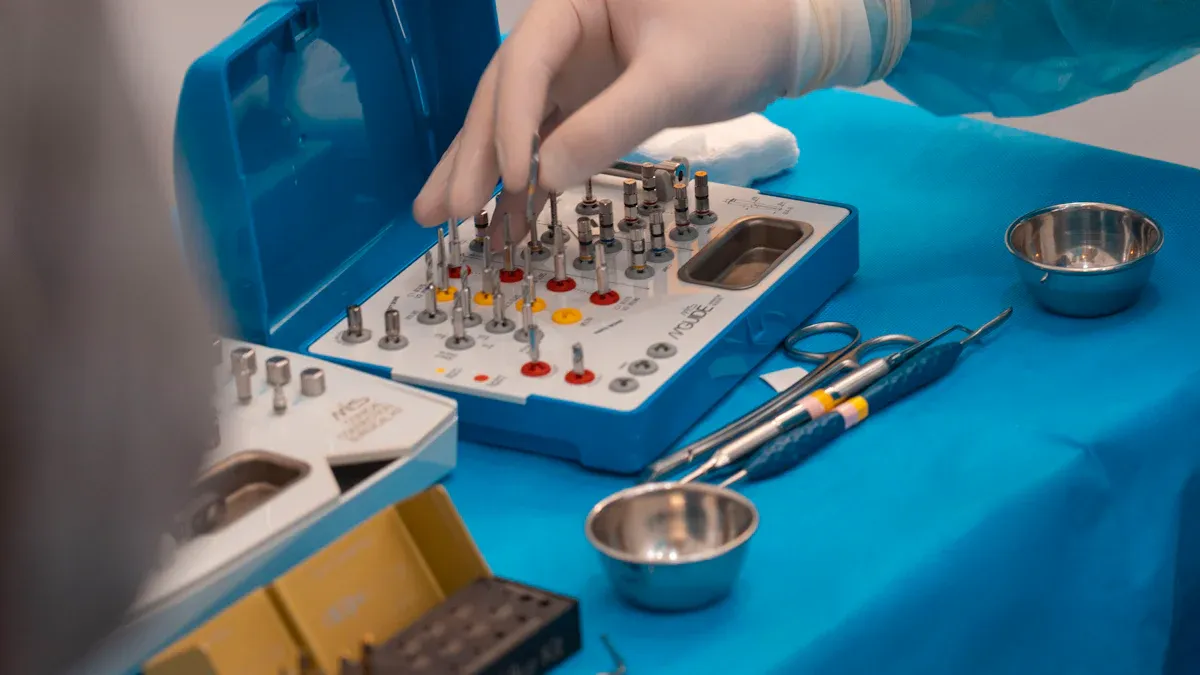
Picking the right material is very important for medical devices. Aluminum casting and zinc casting are used a lot in this field. Engineers pick aluminum casting for things like surgical tools and device covers. Aluminum casting gives very exact shapes and sizes. This helps make light devices that are easy to use. Zinc die casting is also strong and very exact. Many inside parts of medical tools use zinc. Zinc works well for small shapes and thin parts.
Both aluminum and zinc work well for high precision die casting. This makes sure every part is safe and high quality. High precision die casting gives smooth surfaces. Smooth surfaces help with cleaning and sterilizing. Medical devices must not rust and must be cleaned many times. Aluminum casting and zinc casting can do this. These materials also help keep devices safe for the body. They do not hurt people or react with skin. This is very important for any device that touches patients.
Tip: Picking the best material makes devices safer and better for patients.
Process Advantages of Die Casting in Medical Device Manufacturing
Die casting has many good points for making medical devices. High-pressure die casting is great for making very exact parts. This method pushes hot metal into a mold very fast. The part comes out with tight fits and smooth sides. High precision die casting helps devices meet tough safety rules.
High-pressure die casting can make special shapes and thin parts. Engineers can design handles or covers that fit well. This makes devices work better and feel nicer to use. The process also makes less waste, so it costs less. High precision and exact sizes mean parts fit together well. This lowers the chance of problems and keeps people safe.
Biocompatibility is always important for medical devices. High-pressure die casting uses pure metals and careful steps. This keeps devices safe and stops allergies or infections. Smooth surfaces from die casting make cleaning easier. Devices must be cleaned many times and still work well.
Quality Control Measures in Die Casting for Medical Devices
Quality control is very important when making medical devices. Every step in die casting gets checked for safety and accuracy. Factories use special tools to measure size and shape. These tools make sure each part is made right. If a part is not perfect, it gets taken out.
Sterilization rules add more checks for quality. Devices must handle strong cleaning and still work well. Quality teams test for heat, chemicals, and cleaning many times. They also check if devices are safe for the body.
High precision die casting helps keep quality high. Factories write down every step to show they follow the rules. This helps keep devices safe for a long time. Audits and checks make sure the process stays good. Quality teams also test for smoothness, strength, and size. These tests make sure every device is safe for hospitals.
Note: Good quality control in die casting keeps patients safe and builds trust in medical devices.
Die Casting Case Studies in Medical Devices
Die Casting in Surgical Instrument Manufacturing
Many doctors and nurses need surgical tools that are very exact and high quality. EOXS had a problem making tools that needed to be very accurate. The team had to make sure the tools could be cleaned many times and still keep their shape. They picked high precision die casting to make the tools strong and exact.
Chicago White Metal Casting had a similar problem. Their engineers looked at different ways to make medical tools. They saw that die cast parts were better in quality and accuracy than other ways. They used aluminum casting to make handles that were light and strong for surgical tools. This made the tools better and easier to use.
Note: High precision die casting helps surgical tools meet the best standards for quality and accuracy.
Die Casting in Advanced Diagnostic Equipment
Advanced diagnostic machines have many small, tricky parts inside. These machines must give correct results every time. Taroni Foundry worked on making parts for X-ray trolleys. The problem was to make parts that could hold heavy things but were still easy to move. The team used high precision die casting to make frames that were strong and light. This made the machines better and more accurate.
Another case study looked at using zinc die casting for inside parts of medicine tools. Engineers had to design tiny, detailed parts with tight fits. Zinc was strong and let them make very exact parts. This made the diagnostic machines work well and last a long time.
| Case Study | Challenge | Solution | Outcome |
|---|---|---|---|
| Taroni Foundry | Strong, mobile X-ray trolley | High precision die casting | Durable, lightweight frames |
| Zinc die casting in IM | Small, complex internal parts | Zinc with high precision | Reliable diagnostic devices |
Die Casting for Durable, Lightweight Casings
Medical devices need covers that keep parts safe and can be used every day. Chicago White Metal Casting worked on making strong, light covers for medical machines. The problem was to make covers that were tough but easy to use. The team picked aluminum casting to make covers that met hard rules for quality and accuracy.
Another case study looked at using die cast parts for portable medical devices. Engineers had to make sure the covers could take hits and be cleaned often. High precision die casting helped them make smooth, strong covers. This made the devices last longer and work better.
Tip: Using high precision die casting for covers helps medical devices stay safe and last longer.
These case studies show how being exact, high quality, and accurate help make better medical devices. Each story shows why picking the right material and using smart ways to make things is important. Doctors, nurses, and patients get better care from devices that work well and meet tough quality rules.
Die casting helps make medical devices better by giving them accuracy, strength, and trust. When engineers use die casting early, they can design safer tools. These tools also work better for doctors and nurses. As technology gets better, new materials and machines will let people invent more things.
- Die casting helps with:
- Making the same quality every time
- Making devices faster
- Creating special designs
Note: Companies that use die casting for medical devices are safer and do a better job.
FAQ
What is die casting in medical device manufacturing?
Die casting uses metal molds to make parts for devices. This way makes strong and exact parts. Many companies pick die casting because it is fast and accurate.
Why do medical devices need high precision?
High precision makes sure each device works right and is safe. Doctors and nurses need tools that are correct for patient care. Precision also helps devices last a long time.
Which metals work best for die casting medical devices?
Engineers often pick aluminum and zinc. These metals are strong, light, and have smooth surfaces. Both metals do not rust and are easy to clean.
How does die casting help with medical device safety?
Die casting makes parts that fit tightly and have smooth sides. These things make devices easier to clean and sterilize. Safe surfaces help stop infection.
Can die casting support custom medical device designs?
Yes. Die casting lets engineers make special shapes and features. Custom designs help doctors and nurses use devices better and more easily.