
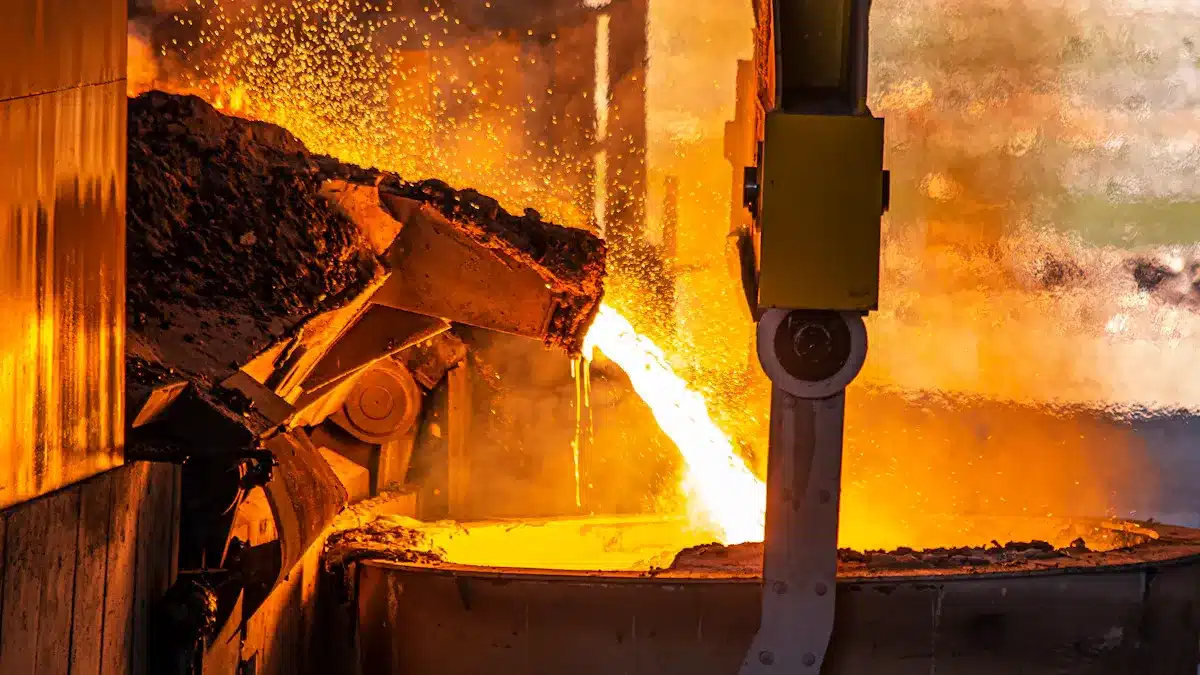
Manufacturers use two main types of machines in the die casting industry: hot chamber and cold chamber die casting machines. These machines are essential for producing strong and precise die casted parts, even when the components have complex shapes. The high pressure die casting process applications span a wide range of industries, including automotive, electronics, and especially medical die casting, where accuracy and reliability are critical. Companies like MORELUX are leaders in advanced die casting, providing high-quality solutions that meet strict industry standards across all these sectors.
Key Takeaways
Hot chamber die casting machines work fast. They make parts in 10 to 20 seconds. These machines are good for making many exact parts. They use metals like zinc and magnesium.
Cold chamber die casting works well for metals that melt at high heat. It is used for metals like aluminum and copper. This way makes strong and dependable parts. It is important for car and electronics companies.
Picking the right die casting machine depends on the metal used. It also depends on the size of the part and how many you need. Using the right process helps make good and quick products.
Hot chamber machines are best for small and detailed parts. Cold chamber machines are better for big and tricky shapes. Knowing these facts helps you choose the right machine.
MORELUX checks quality at every step. They use new technology to make sure each part is made well. Every die casted part meets tough industry rules.
Hot Chamber Die Casting Process
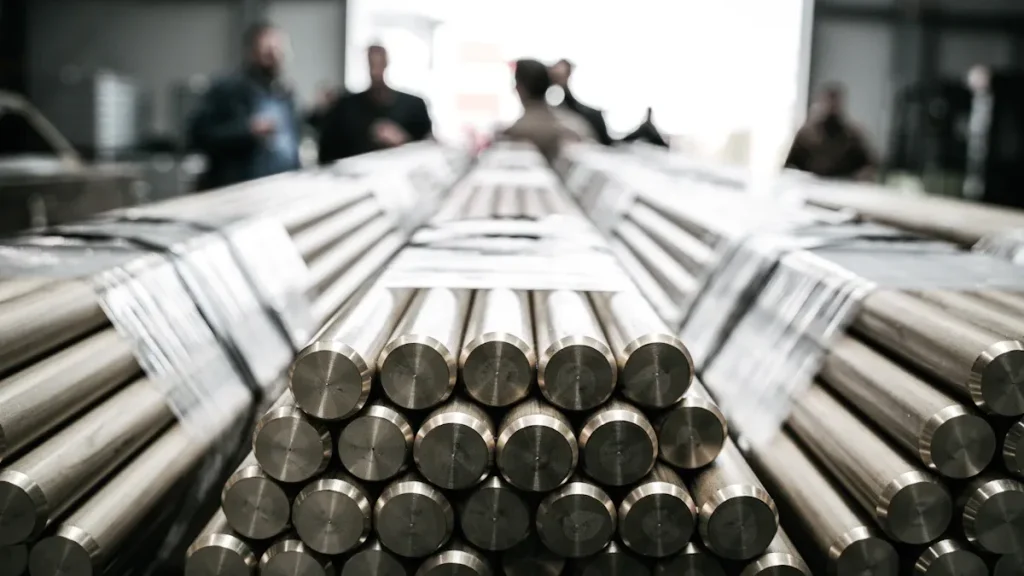
How Hot Chamber Die Casting Machines Work
Hot chamber machines have a special system for injecting metal. They keep melted metal ready for each use. The machine has a furnace inside. This furnace melts the metal and keeps it hot. The injection part pulls the melted metal straight into the die. This means less waiting and faster casting. The machine always has metal ready, so work goes quickly.
Hot chamber die casting can make parts in 10 to 20 seconds. The time depends on how big or tricky the part is. These fast cycles are great for making lots of parts. Quick injection helps make good parts with little waste. MORELUX uses smart machines to get molds ready. Their system cleans, oils, and heats the molds. This makes sure every part is high quality.
Tip: Hot chamber machines work fast and keep going. They are perfect for making many precise parts, like car and electronic pieces.
Metals Used in Hot Chamber Die Casted Parts
Hot chamber die casting works best with metals that melt easily. These metals do not hurt the machine and help it run smoothly. The most used metals are zinc and magnesium. These metals are easy to cast and used in many fields.
Metal | Melting Point (°C) | Melting Point (°F) |
|---|---|---|
Zinc | 380–420 | 716–788 |
Magnesium | 650 | 1202 |
Zinc: Melts at low heat, bends easily, and is simple to cast. Used in cars, electronics, and everyday items.
Magnesium: Very light metal, good for things that need to be light.
Zinc alloys are very exact, strong, and tough. Magnesium alloys help make products lighter, which is important for cars and planes.
Advantages of Hot Chamber Die Casting
Hot chamber die casting has many good points:
Fast cycles mean more parts made quickly.
Can make lots of parts, which saves time.
Smooth surfaces need less extra work.
Parts are very exact and often need no extra fixing.
The process makes strong parts, much stronger than sand casting.
Dies last longer because the metals melt at lower heat.
Factories can make hundreds or thousands of parts in one shift. This makes hot chamber machines great for making lots of items. The process also uses metal well and helps save money.
Disadvantages of Hot Chamber Die Casting
Hot chamber machines have some problems. They cannot use metals that need very high heat, like aluminum or copper. These metals can hurt the machine and wear it out. Some alloys can also react with the machine and cause damage.
Hot chamber die casting does not work for every metal.
Some alloys can wear out or damage machine parts.
Even with these problems, hot chamber die casting is still used a lot for making good parts from metals that melt easily. MORELUX’s smart systems help lower these risks and keep their machines working well.
Cold Chamber Die Casting Process
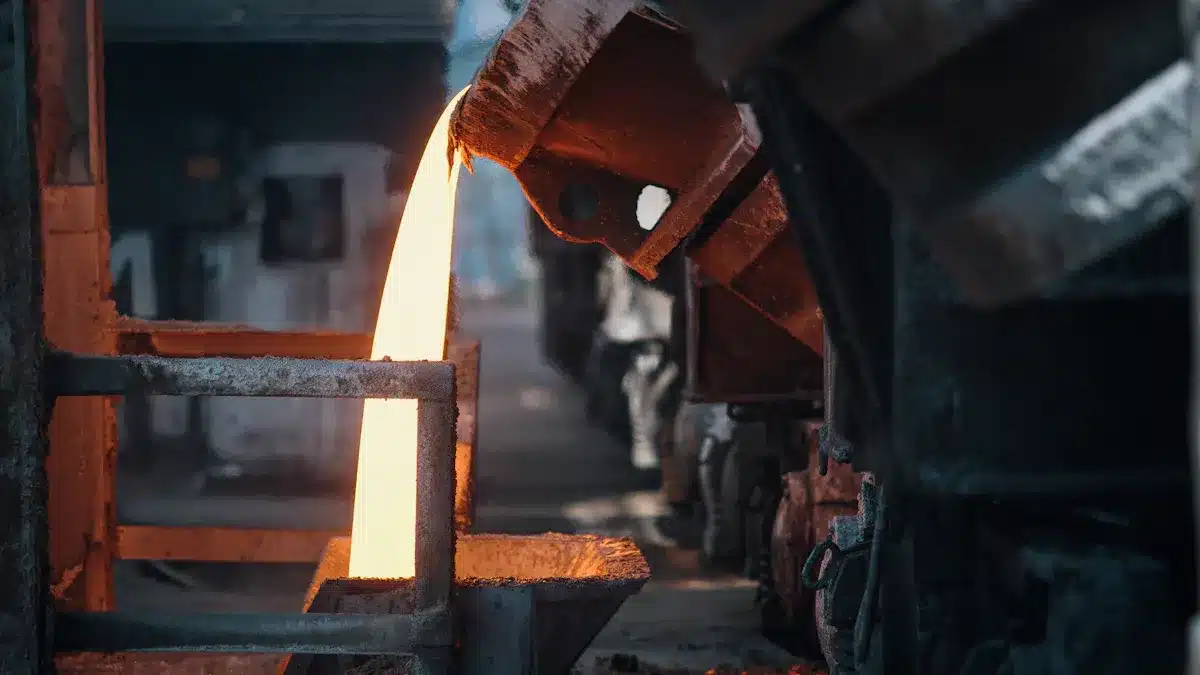
How Cold Chamber Die Casting Machines Work
Cold chamber machines work in a different way. The furnace is not part of the machine. Workers or robots melt metal in a separate furnace. They pour the melted metal into the shot chamber. This can be done by hand or by a robot. A hydraulic plunger pushes the metal into the die. The metal goes in at high pressure. It cools and gets hard inside the die. When it is cool, the die opens. Ejector pins or robots take out the finished part.
Here are the steps for cold chamber die casting:
Melt the metal in a furnace. The heat is very high, between 650°C and 750°C.
Move the melted metal to the shot chamber. This can be done by hand or with a machine.
Use a hydraulic plunger to push the metal into the die.
Let the metal cool and get hard inside the die.
Open the die and take out the finished part.
Note: Moving the melted metal takes extra time. This step makes cold chamber die casting slower than hot chamber die casting.
Metals Used in Cold Chamber Die Casted Parts
Cold chamber die casting is good for metals that melt at high heat. Aluminum and copper alloys are used the most. These metals need more heat to melt. Hot chamber machines cannot use them. Cold chamber machines can handle these metals and keep the machine safe.
Die Casting Type | Suitable Metals |
|---|---|
Cold Chamber | Aluminum, Copper |
Hot Chamber | Zinc, Lead |
Aluminum alloys are light and strong. Many car parts are made with aluminum using cold chamber die casting. Copper alloys are used when parts need to be strong and carry electricity well. Cold chamber die casting also works for magnesium alloys. Magnesium is light and easy to shape.
Advantages of Cold Chamber Die Casting
Cold chamber die casting has many good points:
It works with metals that melt at high heat, like aluminum and copper alloys.
The process lets designers pick from many non-ferrous metal alloys.
Parts made this way are strong and do not break easily.
Fast cooling makes parts with strong structures.
Cold chamber machines make parts for cars, electronics, and tools.
MORELUX checks quality at every step. They control mold temperature and use the right oil. Each part is checked for problems. The team uses computer programs and X-rays to check the parts. After casting, MORELUX trims, finishes, and machines the parts. This makes sure every part is ready to use.
Disadvantages of Cold Chamber Die Casting
Cold chamber die casting has some problems:
The process is slower because workers must move the melted metal.
The extra step can cost more and make things less efficient.
Cold chamber machines need careful temperature control, which uses more energy.
The cycle time is slower than hot chamber machines.
Even with these problems, cold chamber die casting is still the best for metals that melt at high heat. It is important for making strong and reliable parts for many industries.
Hot vs. Cold Chamber Die Casting Machines
Die Casting Process Comparison
Hot chamber and cold chamber machines use different steps. Hot chamber die casting sends melted metal right into the machine. Cold chamber die casting needs workers or robots to pour metal into a shot chamber. The table below shows how the two processes are not the same:
Feature | Hot Chamber Die Casting | Cold Chamber Die Casting |
|---|---|---|
Metal Type | Low melting temperature alloys (e.g., Zinc) | High melting temperature alloys (e.g., Aluminum) |
Metal Handling | Molten metal is pumped directly | Metal is ladled into the shot chamber |
Injection Pressure | 1,000 – 5,000 psi | 2,000 – 20,000 psi |
Die Configuration | Includes a gooseneck and nozzle | No gooseneck; aligns from shot chamber |
Cooling Process | Plunger holds pressure during cooling | Plunger holds pressure during cooling |
Hot chamber die casting is best for making lots of small parts. Cold chamber die casting is good for tricky shapes and metals that need more heat.
Key Differences in Materials and Applications
The metal used decides which die casting type works. Hot chamber die casting uses alloys that melt at lower heat, like tin, zinc, and lead. Cold chamber die casting works with alloys that need higher heat, such as aluminum, magnesium, and copper. The table below shows which alloys go with each machine:
Die Casting Method | Suitable Alloys |
|---|---|
Hot Chamber | Tin, Zinc, Lead |
Cold Chamber | Aluminum, Magnesium, Copper |
Hot chamber machines make small, detailed parts for things like electronics and toys.
Cold chamber machines make strong, light parts for cars, planes, and tools.
Factories use hot chamber machines for lots of small parts. Cold chamber machines are better for bigger or more complicated shapes.
Choosing the Right Die Casting Machine
Picking the right machine depends on a few things:
What metal is needed for the part
How big and what shape the product is
How many parts are needed
The money and time for the project
How tricky the part is to make
MORELUX helps people pick the best die casting process for their needs. Their team uses smart computer programs to design molds that are very exact. They watch every step, from making the mold to putting parts together. Their machines can make 10,000 to 50,000 parts in one batch. Molds can last for more than 500,000 uses. Skilled workers and machines that run all day help finish jobs fast and keep parts good.
Tip: Always pick the casting process that matches the metal and the product’s needs. This helps make strong, reliable parts and saves time and money.
Hot chamber and cold chamber machines are used for different jobs in die casting. Hot chamber machines are good for alloys that melt at low heat. Cold chamber machines are better for metals like aluminum. Picking the right machine depends on what the part needs. Things like how strong it must be, if it should not rust, and how smooth it looks are important. The table below shows how picking a machine can change quality and cost:
Factor | Impact on Quality and Costs |
|---|---|
Energy Consumption | Very important for saving money and being green. |
High-quality mould | Helps make parts that are very exact. |
Automation Investments | Makes work faster and costs less for workers. |
MORELUX uses smart HPDC technology and good metal parts to make very exact pieces. They care about being green and have industry certificates. This helps them make strong and trusted die casted parts for many kinds of businesses.