
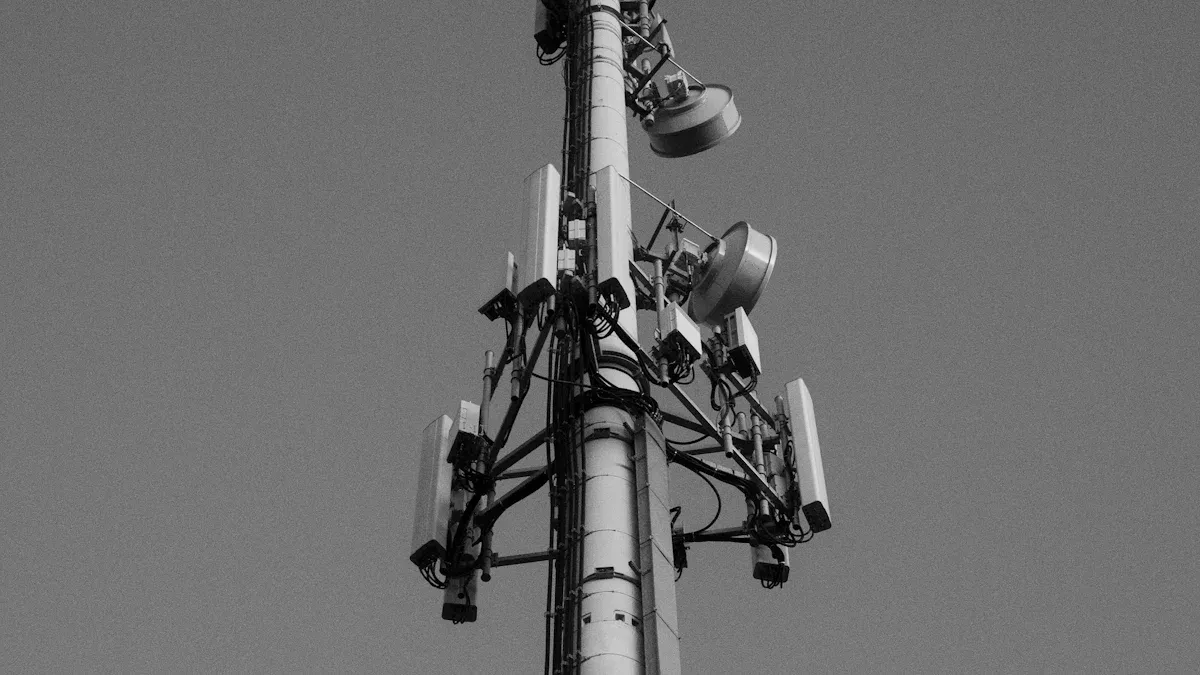
Telecom die-castings housing helps telecom equipment work better and stay safe. Telecom workers use these housings to stop electromagnetic interference. This keeps signals clear and easy to trust. The strong build also protects important parts from weather and damage, which is crucial for sensitive electronics die-castings. Using materials like zinc die-casting can further enhance the shielding performance needed in this sector. This mix of good shielding and strong protection makes communication systems safer and better.
Key Takeaways
- Die cast aluminum housings keep telecom equipment safe from harm. They stop interference, bad weather, and damage. This helps signals stay clear and reliable.
- Aluminum alloys like A380 and K Alloy are strong and light. They do not rust easily. These housings work well outside and with 5G telecom.
- Custom die cast housings fit just right. They block electromagnetic interference. This helps telecom systems run well and stay safe.
- These housings handle heat with special fins and coatings. They keep devices cool and help them last longer.
- Using strict rules and good materials makes housings strong and trusted. This lowers repairs and helps important telecom networks work well.
Die Casting Telecommunication Housing

Die casting telecommunication housing is very important in today’s telecom systems. In this process, hot liquid aluminum goes into a steel mold with high pressure. This makes strong and exact housings that keep telecom equipment safe. Aluminum die casting is special because it is strong, light, and handles heat well.
Cold chamber die casting machines help make good telecom housings. These machines work fast and use smart hydraulic systems. This helps every housing meet tough rules. Workers use controllers and strong clamps to keep things steady. The machines can use different metals like aluminum, magnesium, and zinc alloys. This lets makers pick the best metal for each job.
Many top aluminum alloys are used in die casting telecommunication housing. Each alloy has special features for different uses. The table below shows some common alloys and what they do:
| Alloy | Key Properties | Typical Telecom Applications |
|---|---|---|
| A380 | High strength, corrosion resistance, thermal conductivity | Equipment housings, base stations |
| ADC12 | Good castability, impact resistance | Electronic housings, switches |
| A413 | High strength, machinability, thin-wall capability | Connectors, small enclosures |
| K Alloy/A304 | Superior corrosion resistance, high elongation | Outdoor telecom housings, harsh environments |
A380 is picked most often for die casting telecommunication housing. It is strong and handles heat very well. K Alloy/A304 is used outside because it does not rust and is tough.
Telecom companies use these housings for many things:
- 4G and 5G base stations
- Packet microwave radios
- Wireless network products
- Radar and frequency control devices
These housings keep equipment safe from weather, dust, and electromagnetic interference. As telecom networks get bigger, more die casting telecommunication housing is needed.
Signal Quality Benefits of Custom Aluminum Die Cast Housings

Electromagnetic Shielding Advantages
Custom aluminum die cast housings give strong protection from electromagnetic signals. They use the Faraday Cage idea to keep equipment safe. The aluminum stops outside electric fields and moves magnetic fields away. This helps protect important circuits from bad signals. ROLEC USA’s report talks about a “tooth and rail” design. This design keeps metal touching between the base and lid. It means you do not need weak RF gaskets. It also makes the shielding work better. The University of Hanover tested these housings and proved they shield well.
Aluminum die cast housings block electromagnetic and radio frequency interference better than plastic. The table below shows how aluminum and plastic enclosures compare:
| Performance Criteria | Aluminum Enclosure | Plastic Enclosure |
|---|---|---|
| Electrical Conductivity | Conductive – ideal for grounding and EMI/RFI shielding | Non-conductive – allows signals to pass through |
| EMI/RFI Shielding | Yes – naturally blocks electromagnetic interference and radio frequency interference | No – does not block signals, suitable for wireless device applications |
| Durability and Rigidity | High – strong, impact-resistant, corrosion- and UV-resistant (especially with coatings) | Lower – lighter but less impact resistant and no shielding capability |
| Typical Use Cases | Industrial, outdoor, EMI-sensitive environments | Indoor, consumer electronics, wireless devices |
Aluminum is a good mix of shielding, light weight, and strength. Copper and nickel-silver alloys shield well but cost more and are heavier. Steel is strong but also heavy. Aluminum is the best pick for most telecom jobs.
Superior Signal Integrity
Aluminum is naturally good at carrying electricity. This helps keep signals strong in telecom systems. The housing blocks outside waves and interference. This cuts down noise and keeps signals clear. Custom aluminum housings have no seams or folds. This gives even shielding everywhere.
Telecom equipment needs signals that do not fail. Aluminum enclosures do not rust, burn, or get damaged by sunlight. They keep their shape and shielding for a long time. Aluminum blocks interference better than plastic. This matters for equipment with separate circuits and little signal trouble.
Tip: Using aluminum die cast housings helps telecom workers get steady, high-quality signals even in tough places.
Precision Fit for Seamless Integration
Die casting makes telecommunication housing fit very well. Makers use special machines to get tight fits. Each housing matches other parts perfectly. This stops gaps where interference could get in.
A good fit also makes putting equipment together easier. Telecom workers can build things fast and make fewer mistakes. Custom housings that fit well help keep signals strong and systems working.
- Tight fits stop weak spots where EMI or RFI could enter.
- Custom shapes let housings fit special telecom designs.
- Good quality lowers the chance of losing signals or breaking equipment.
Custom aluminum die cast housings give shielding, good conductivity, and a perfect fit. These things help telecom systems send strong, clear signals and work well.
Safety and Protection Features of Die Cast Telecommunication Housings
Enhanced Environmental Resistance for Reliable Outdoor Performance
Telecommunication equipment is often outside in rough weather. Rain, dust, heat, cold, and even people can hurt the electronics. Die casting telecommunication housing helps protect against these problems. Makers use aluminum alloys like 383 because they are strong and last a long time. These housings work well in both hot and cold weather.
Many housings get NEMA 4X or 6 ratings after hard tests. These tests spray water, dunk the housings, and check for rust. Groups like UL, CSA, Intertek, and TÜV check if the housings can handle tough places. Over 85% of Bud’s NEMA enclosures have UL or TUV marks, so they are trusted for outdoor use.
Key features that help with outdoor protection:
- Powder coating makes a hard layer that stops scratches, sun damage, and chemicals.
- Aluminum makes a natural layer that stops rust.
- Tight building rules (±0.1 mm) keep out dust and water.
- Special vacuum die casting makes the housings even stronger.
Note: These features help telecom gear last longer and work better, even in really tough weather.
Advanced Heat Management and Thermal Dissipation Solutions
Telecom devices get hot when they work. Too much heat can break circuits and make them work worse. Aluminum die cast housings help by moving heat away fast. Alloys like A356 and ADC12 carry heat away from important parts.
| Property / Feature | Value / Range | Notes / Relevance to Telecom Housings |
|---|---|---|
| Thermal Conductivity (A356) | 150 W/m·K | High conductivity alloy aiding heat transfer |
| Thermal Conductivity (ADC12) | 96–105 W/m·K | Common die casting alloy with moderate thermal conductivity |
| Heat Dissipation Surface Increase | 50–70% | Achieved via heat sinks, fins to enhance cooling |
| Cooling Channel Temperature | 20–30°C | Maintains lower temperatures for better heat removal |
Engineers add fins or heat sinks to the housing. These parts make more surface area, so more heat can leave. Cooling channels inside keep the temperature between 20–30°C. This helps protect the electronics. Good design keeps telecom equipment safe and working well.
Exceptional Durability and Long-Term Protection for Telecommunication Equipment
Die casting telecommunication housing lasts a long time. Strong aluminum alloys and coatings protect from hits, rust, and sun damage. Powder coating is put on with electricity and makes a hard shell that does not scratch or fade.
Makers use quality checks like special tests and careful casting steps. These steps stop problems like holes or weak spots. New casting methods, like vacuum die casting, make the housings even tougher.
- Aluminum 383 alloy stays strong in hot or cold weather.
- The oxide layer and powder coating stop rust together.
- Careful building makes a tight fit, keeping out water and dust.
- These housings need less fixing and last longer, so equipment fails less.
Tip: Picking die casting telecommunication housing means fewer repairs, saving money, and having more dependable telecom networks.
Applications and Use Cases of Die Cast Telecommunication Housings
Outdoor Equipment
Telecom companies use die cast housings to keep outdoor equipment safe. These housings protect base stations, antennas, and wireless routers from rain and dust. They also block sunlight from hurting the equipment. Aluminum alloys do not rust, so the equipment lasts longer outside. Many outdoor enclosures have NEMA and IP ratings. This means they stop water and dirt from getting in. Engineers add powder coatings for even more protection. This helps telecom networks work well in every season.
5G Systems
5G networks need housings that are strong and light. Die cast aluminum housings cover 5G signal receivers, amplifiers, routers, and transmitters. Aluminum moves heat away from important parts, so they do not get too hot. These housings are easy to put on towers and rooftops because they are not heavy. Die casting makes thin walls, smooth surfaces, and built-in heat sinks. These things help 5G systems work in cities and faraway places. Makers can make many housings fast and keep the quality the same. This helps 5G networks grow quickly.
Mission-Critical Applications
Some telecom equipment must always work, even in emergencies. Die cast housings protect radar units, emergency devices, and military telecom systems. These housings keep out water, dust, and electromagnetic interference. They also stand up to hard hits and very hot or cold weather. Many makers follow strict rules like ISO 9001:2015 to make sure of quality. Companies use special tools and check each housing often. This careful work helps telecom companies trust their equipment in important times.
Note: ISO 9001:2015 certification means a company cares about quality and customers. It needs good planning, testing, and ways to get better.
Choosing the Right Casting Housings
Material Selection
Picking the right material and coating is very important for telecom housings to work well. Aluminum alloys like A380, A383, and A360 are strong and do not rust easily. They also move heat away from electronics. Coatings make the housings last longer and work better:
- Anodizing makes a tough layer that stops rust and scratches. This helps housings last outside.
- Anodized housings move heat away from parts that get hot.
- Powder coating gives extra protection from rust and hard hits. It also lets you pick different colors and looks.
- Both anodizing and powder coating help the aluminum last longer in bad weather.
You pick the coating based on how tough, cool, or good-looking you need the housing to be.
Design Factors
How the housing is made affects signal strength and safety. Engineers think about many things:
- Keeping out water, dust, and heat helps signals stay strong.
- The housing must block outside signals and keep inside signals in.
- It should be tough so it does not break or get opened by accident.
- Good heat control uses special shapes to stop overheating.
- Light and small housings are easier to put in place.
- Some designs let you add special mounts or cable holes.
Engineers use quick models to test if the design works. This helps them fix problems before making lots of housings. It also lets them make special housings for different jobs.
Standards Compliance
Following rules is very important for safe and good telecom housings. Makers use strict rules like IP67, which means no dust or water can get in. They add things like tight seals, flat parts, and thick walls to pass these tests. They check for dust, water, pressure, and heat problems. Using the right materials, coatings, and smart designs helps the housings meet the rules and last a long time.
Telecom workers get strong signals and safety with die cast housings. Experts say robots, careful work, and live checks help make good products. Picking materials like 383 aluminum alloy stops rust and keeps the size right. Following strict rules makes housings last and block EMI.
- Top companies suggest using die casting that can grow and change for steady quality.
- In the future, more robots, earth-friendly ways, and new alloys will make things work even better.
| Common Challenge | Solution Example |
|---|---|
| Porosity | Same wall thickness, good air vents |
| Cold Shuts | Change how fast and hot metal is pushed |
Telecom teams should think about these tips to keep equipment safe and working for a long time.
FAQ
What makes aluminum die cast housings better than plastic for telecom use?
Aluminum die cast housings block electromagnetic signals well and stand up to bad weather. Plastic enclosures do not stop interference and can crack more easily. Aluminum also helps move heat away, so telecom equipment stays safe and works well.
How do die cast housings help with heat management?
Engineers add heat sinks or fins to aluminum housings. These parts make more surface area and help heat leave faster. Good heat control stops devices from getting too hot and helps them last longer.
Are die cast housings suitable for outdoor telecom equipment?
Yes. Die cast housings keep out rain, dust, and sunlight. Special coatings and tight seals stop water and dirt from getting inside. Many housings have NEMA or IP ratings, so they protect equipment outside in tough places.
Can manufacturers customize die cast housings for special telecom needs?
Manufacturers can make housings in different shapes, sizes, and styles for each project. They use fast modeling and smart design tools. Custom housings fit the equipment and meet all the technical needs.
What certifications should telecom housings have?
Telecom housings should have certifications like ISO 9001:2015, NEMA, or IP ratings. These show the housing passed hard safety and quality tests. Certified housings help telecom companies trust their equipment when it matters most.