
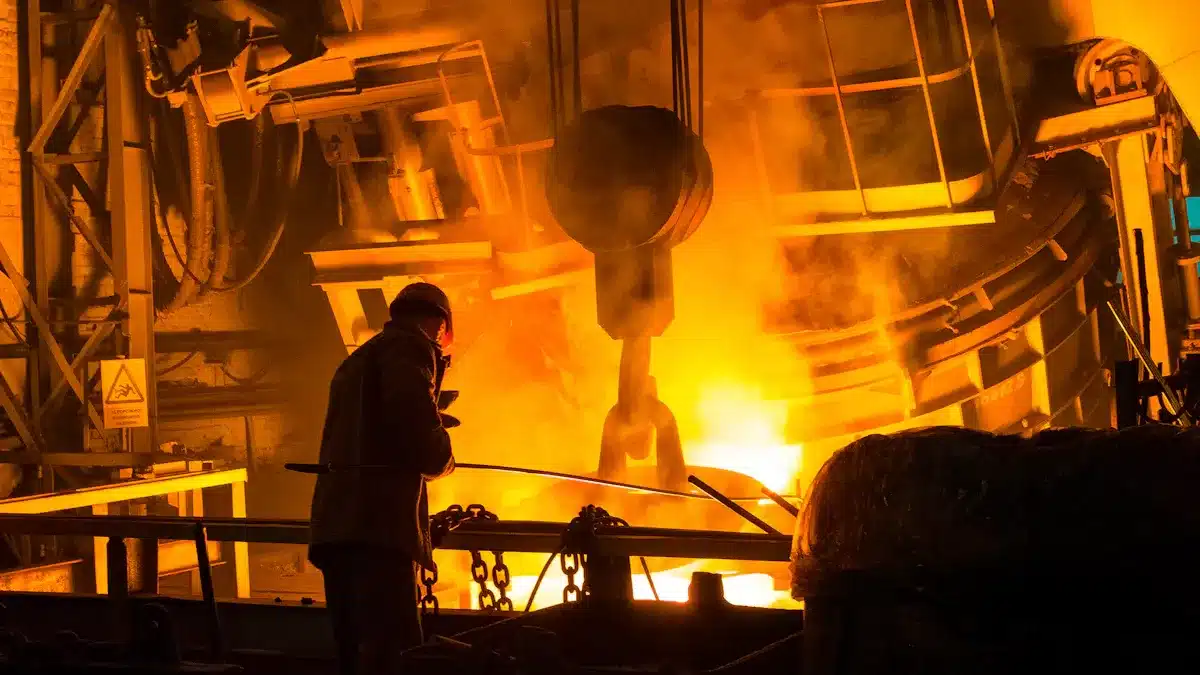
Typical temperatures in the die casting process change with each alloy. For example, A380 alloys need mold temperatures from 210°C to 215°C. AZ91 magnesium alloy molds use temperatures from 90°C to 110°C. The table below lists common mold and pouring temperatures for different alloys.
Alloy Type | Mould Temperature Range (°C) | Pouring Temperature (°C) |
|---|---|---|
A380 alloys | 210 – 215 | N/A |
ADC12 aluminium alloy | 150 (SSS) / 320 (piston) | N/A |
Ferrous alloys | 220 – 260 | N/A |
AZ91 magnesium alloy | 90 – 110 | N/A |
Mg-xSm-0.3Zn magnesium alloy | 200 – 280 | N/A |
Zinc alloys | N/A | > 407.1 |
ZZnAl4Y zinc alloy | N/A | 300 |
Temperature control is very important in the high pressure die casting process. Studies show that keeping die temperature above 200°C helps make good castings. This is true for A380 alloy. MORELUX uses smart systems to control temperature, which is essential for both electronics die casting and medical die casting. Temperature matters at every step, from mold setup to final checks.
Key Takeaways
Different alloys need certain mold temperatures to work well. For example, aluminum alloys need 200-250°C to cast best.
Keeping the right mold temperature stops cracks and rough spots. Good temperature control makes parts turn out better.
Advanced monitoring systems help keep mold temperatures steady. This lowers the chance of problems and makes production faster.
Good cooling methods help molds and tools last longer. Cooling well can stop damage and save money.
Teaching workers about temperature control helps make better castings. Skilled workers can handle temperature changes better.
Temperature in Die Casting Process
Typical Alloy Temperature Ranges
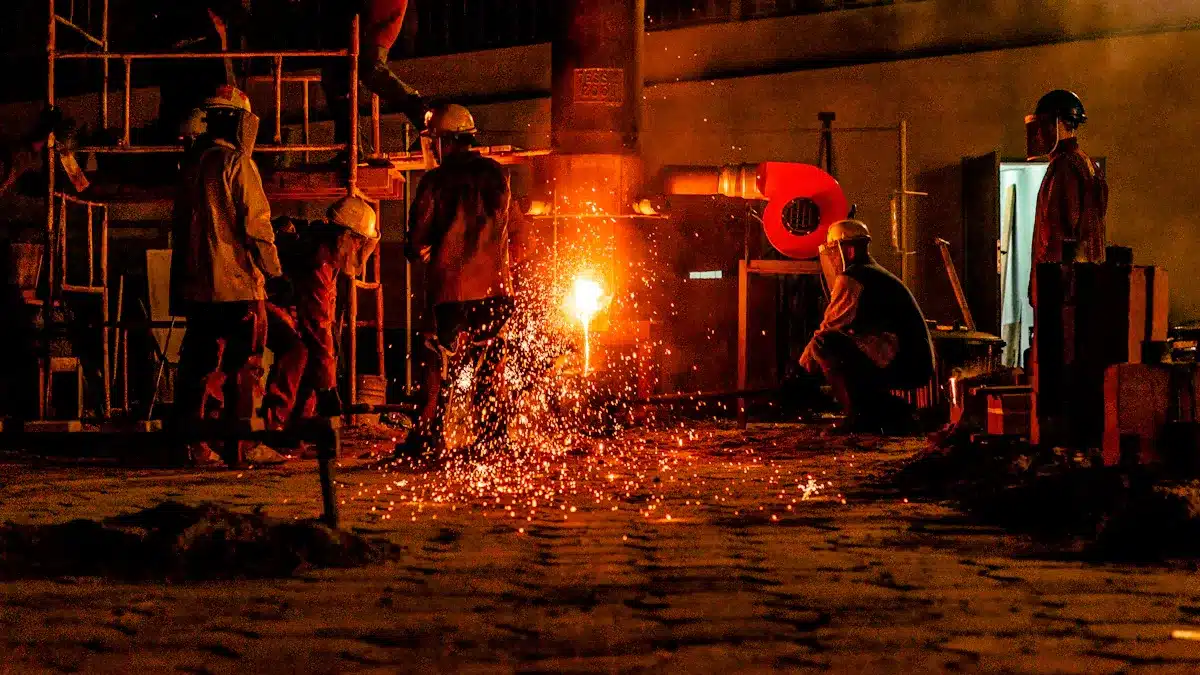
Die casting uses different alloys. Each alloy needs its own temperature. Aluminum alloys need careful melting and mold temperatures. Zinc, magnesium, and copper alloys also have special temperature ranges. The table below shows the best temperatures for common alloys.
Alloy | Die Temperature (°C) | Melt Temperature (°C) | Die Shrinkage (%) |
|---|---|---|---|
Aluminum | 150-250 | 660-700 | 0.6 – 0.7 |
ZA-27 (Zinc) | 150-200 | 540-590 | 0.8 – 0.85 |
ZA-12 (Zinc) | 150-200 | 480-540 | 0.7 – 0.8 |
Magnesium | 90-280 | 600-650 | 0.6 – 0.7 |
Copper | 220-260 | 1080-1100 | 1.2 – 1.4 |
Aluminum alloys melt between 660°C and 700°C. Zinc alloys like ZA-27 and ZA-12 melt from 480°C to 590°C. Magnesium alloys melt between 600°C and 650°C. Copper alloys need even higher melting temperatures, above 1080°C. Each alloy has a temperature range that helps make strong parts.
HPDC Die Casting at MORELUX
MORELUX uses smart systems to control temperature. Their HPDC die casting pushes hot metal into steel molds with high pressure. This method makes sure every detail is captured. Automated systems watch the temperature of the metal and the mold. These systems change heating and cooling to keep things steady. The team checks the melting temperature before each run. They use computer programs to see how the metal will fill the mold. This helps stop problems and keeps quality high. The company works with aluminum, zinc, magnesium, and copper alloys. Each material needs special temperature care. MORELUX’s skills help them make parts with tight sizes and smooth surfaces.
Tip: Using machines to control temperature helps keep casting quality high and stops problems from too much heat.
Factors Influencing Metal Temperature
Many things change the temperature in die casting. The alloy type changes how hot the metal needs to be and how it fills the mold. Pouring temperature and mold temperature are very important for good casting. The design of the equipment also matters. The mold’s shape and size change how the metal moves and cools.
Pouring temperature and mold temperature are very important in die casting.
These temperatures must be watched to make sure the mold fills well and the casting is good.
If pouring temperature is too high, there can be shrinkage, cracks, and weaker parts.
Temperature changes the strength of die casting alloys. It affects how the metal flows and fills the mold.
High temperatures can hurt the mold and cause casting problems.
The best casting temperature is usually 50-70°C higher than when the alloy starts to harden. This helps the metal fill the mold well.
Higher temperatures can make die cast parts less strong.
Ductility can go up with higher temperatures, but it depends on the alloy. Aluminum is less bendable than zinc.
More heat can make more holes in the alloy, which lowers density.
The area for heat flow gets smaller as temperature goes up, so heat moves less.
When casting temperature rises, tough spots in the alloy get fewer and smaller, which can make the part less bendy.
The metal must be hot enough to fill the mold right. If it is too cold, the mold may not fill all the way. If it is too hot, the mold can wear out faster and the part can have problems. Magnesium and aluminum alloys need extra care because they change quickly with temperature. Die casting works best when all these things are balanced.
Die Casting Mold Temperature
Importance of Mold Temperature
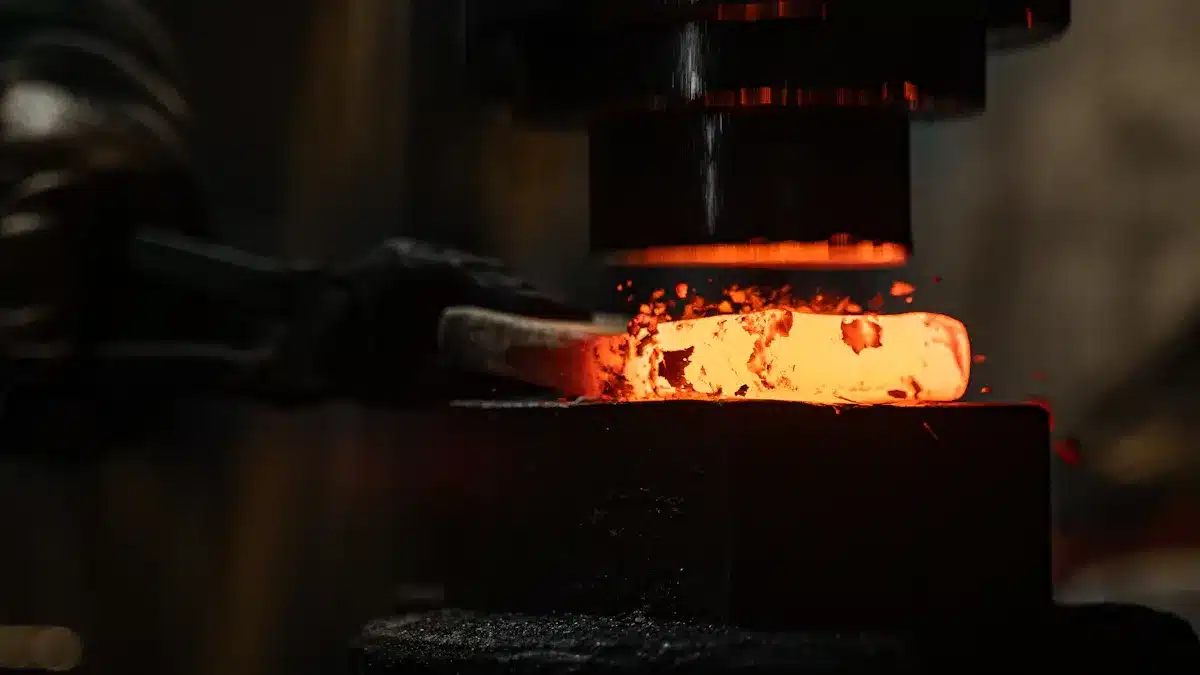
Mold temperature is very important for die casting. It changes how strong and smooth the parts are. If the mold is too cold, metal might not fill it all. This can make rough spots or lines on the part. If the mold is too hot, it can cause flash or damage. Sometimes, the mold gets different temperatures in different places. This can make holes or weak spots in the part. These problems make the part less strong. Keeping the mold at the right temperature helps stop these issues. It also helps parts stay the right size.
Aspect | Impact |
|---|---|
Solidification | Mold temperature changes how metal hardens and looks. |
Surface Quality | Cold molds make rough parts; hot molds cause flash. |
Structural Integrity | Uneven heat makes holes and weak spots. |
Dimensional Accuracy | Steady mold temperature keeps sizes correct. |
Defect Prevention | Good control stops holes and cold shuts. |
Recommended Mold Temperature Ranges
Each alloy needs its own mold temperature. Most molds work best between 150°C and 300°C. Aluminum alloys need molds at 200°C to 250°C. This helps stop shrinking and sticking. If the temperature is wrong, problems can happen. Aluminum alloys do best at 200-230°C to avoid shrinking. Zinc alloys work well at 160-180°C. Magnesium alloys need 250-300°C.
General die casting mold temperature: 150-300°C
Aluminum alloys: 200-250°C
Zinc alloys: 160-180°C
Magnesium alloys: 250-300°C
Mold Temperature Control Methods
Controlling mold temperature is very important. Companies use different ways to keep the temperature steady. The most common way is using water or oil to heat or cool the mold. Some systems use sensors to check the mold temperature. Cascade control uses both ways for better results. Modern factories use robots and machines to help control mold temperature. They watch the temperature, cycle times, and pressure with computers. At MORELUX, they use smart machines and AI to keep the mold temperature just right. This helps stop problems and keeps parts strong and the right size.
Control Mode | Description |
|---|---|
Control of the medium temperature | Uses water or oil to change mold temperature. |
Control of the die temperature | Sensors check and adjust mold temperature. |
Cascade control | Uses both ways for better control. |
Note: Good mold temperature control helps make better parts, stops problems, and makes molds last longer.
Maintaining Die Casting Temperature
Impact on Casting Quality
Keeping the right temperature is very important in die casting. The correct temperature helps the melted metal fill the mold. When the mold stays at a steady temperature, the metal fills well. This makes the final part look good and work well. Temperature affects how strong the alloy is. Good temperature control stops problems like holes and missed spots. Temperature matters for every part of the casting. If the mold gets too cold, metal may not fill all spaces. This can make rough spots or lines. If the mold gets too hot, thin metal and dark marks can show up. Cooling the mold often keeps the temperature balanced. This helps parts stay strong and smooth.
Note: Good temperature control and cooling make better parts. This lowers the chance of problems and helps each part pass strict checks.
Process Efficiency and Tool Life
Managing temperature helps the process work faster and keeps tools working longer. Die casting needs steady mold temperature and cooling. When the mold stays in the right range, metal fills quickly and evenly. Cooling systems take away extra heat and keep the mold stable. This protects the mold from damage and stops it from wearing out fast. High mold temperature can make the mold last fewer cycles. Cooling and oil help stop cracks and heat damage.
Material | Casting Temperature (°F) | Die Life (Cycles) |
|---|---|---|
Aluminum | 1060 – 1220 | Up to 100,000 |
Brass | 1640 – 1720 | Around 10,000 |
Workers use smart cooling and strong tool materials to help molds last longer. Cooling and taking care of molds stops small problems from getting worse. Special cooling systems help control temperature and make tools last longer.
Tip: Good cooling and temperature control keep quality high and stop delays in die casting.
Common Issues from Incorrect Temperatures
Wrong mold temperature causes many problems in die casting. These problems can make parts bad and waste more metal. Problems from temperature include lines, wrinkles, rough spots, thin metal, dark marks, and sticking. Holes, shrinking, and missed spots happen when temperature changes too much. Temperature problems show up in the finished part.
Defect Type | Description | Causes | Solutions |
|---|---|---|---|
Cracks | Lines or patterns on surfaces from stress. | Wrong alloy mix, stress from cooling and hardening. | Use the right alloy, make the part strong, keep walls even. |
Cold Shut | Lines on the surface from metal not joining right. | Metal too cold, slow filling, metal does not flow well. | Make mold and metal hotter, change how metal enters the mold. |
Network Cracks | Thin lines or dips on surfaces. | Rough mold, high filling temperature, wrong casting material. | Use good mold material, treat with heat, keep temperature steady. |
Drags and Soldering | Scratches and metal sticking to the mold. | Metal too hot, mold surface damaged, not enough angle for release. | Use good release spray, fix how parts come out, repair mold surface. |
Flashes | Thin metal sheets on parts. | Fast filling, high temperature, not enough force to hold mold closed. | Use right settings, keep mold in good shape. |
Workers must watch mold temperature and cool molds the right way to stop these problems. Temperature control helps avoid defects and keeps die casting working well. Checking and fixing cooling systems often helps keep quality steady and tools working longer.
Alert: Many temperature problems mean mold temperature or cooling is not right. Fixing issues fast keeps quality good and protects machines.
Practical Tips for Temperature Control
Monitoring and Measurement Tools
Good mold temperature control needs the right tools. Factories use special units to keep molds at the best temperature. These units use water or oil to heat or cool molds. The table below shows two common types:
Type of Unit | Temperature Range | Heating Power | Features |
|---|---|---|---|
Pressurised Water Temperature Control Units | Up to 160°C | 6 kW to 48 kW | Closed systems, expansion tank, stable temperature, die evacuation |
Oil Temperature Control Units | Up to 360°C | Not specified | High operating temperatures, longer mold life, lower maintenance costs |
A mold temperature monitoring system uses sensors to check temperature all the time. Advanced sensors and data loggers help keep temperature steady. These systems give alerts if temperature changes too much. They also keep records for checks and audits. The ioX-Connect Wireless Digital Temperature Sensor measures from -40 to 125°C. It is very accurate. This helps workers find problems early.
Operator Best Practices
Operators help control mold temperature by following best practices. They use thermocouples and heaters to watch and change mold temperature. Heating metal evenly in the furnace keeps the process steady. The table below lists some best practices:
Best Practice | Description |
|---|---|
Mold Temperature Control | Use thermocouples and heaters to monitor and adjust mold temperature. |
Uniform Heating | Use a furnace that heats metal evenly for better casting results. |
Lower Metal Temperature | Use the lowest safe metal temperature to reduce stress on the mold. |
Slower Cooling | Let the die cool a bit before spraying to avoid thermal shock. |
Training teaches operators how to control mold temperature. Courses like SMA 201 and EC-411 cover process control and temperature problems. These lessons help operators keep mold temperature steady and improve casting quality.
Quality Assurance at MORELUX
MORELUX uses strong mold temperature monitoring to make precise castings. The team checks temperature and pressure during each run. They use CMM and X-ray tests to find problems. Electrical and mechanical tests make sure parts meet high standards. The company keeps defects below 0.2%. Integrated heating and temperature control systems help MORELUX give reliable results. Their advanced mold temperature control unit and heating technology support top-quality production.
Tip: Good mold temperature control and monitoring help make strong, smooth, and accurate parts every time.
Good temperature control helps make die cast parts better. Research shows that pouring at about 680°C and keeping the mold near 200°C lowers problems like holes and shrinking.
Parameter | Optimal Value |
|---|---|
Pouring Temperature | ∼680 °C |
Initial Mold Temperature | ∼200 °C |
Injection Speed | ∼5 m/s |
Managing metal and mold temperatures well makes work faster and tools last longer. Studies found that cooler temperatures and better cooling help tools last 36% longer and cooling time is 30% shorter.
Case Study | Findings | Impact |
|---|---|---|
Kanbur et al. | Cooling time reduced by ∼30% | Improved efficiency |
Petrič et al. | 60% lower temperatures, 36% longer tool life | Fewer defects, longer tool life |
Fiorentini et al. | Less mechanical and thermal stress | Lower defect rates, faster cycles |
Malca et al. | 58% lighter molds | Better efficiency, less material used |
Working with experts like MORELUX gives better temperature control, higher quality, faster work, and saves money.
Advantage | Description |
|---|---|
Improved Product Quality | Fewer problems, better parts |
Enhanced Cycle Times | Faster cooling, quicker production |
Cost Efficiency | Lower costs, less fixing needed |
Environmental Benefits | Uses less energy, makes less waste |