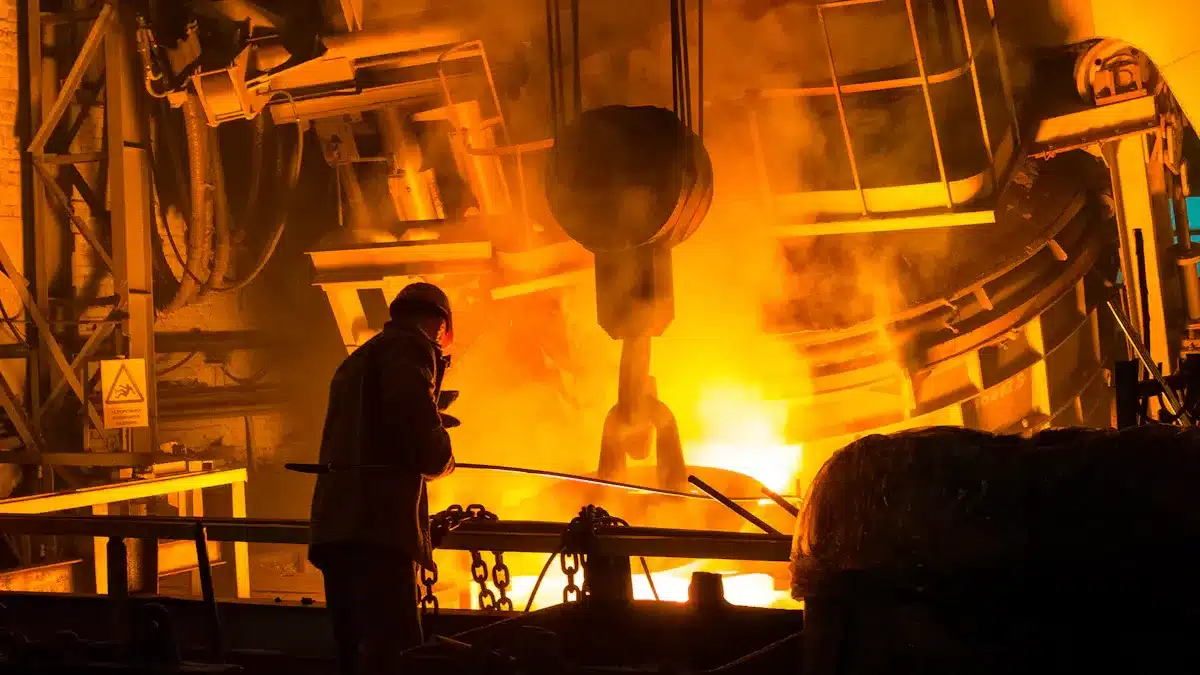
What are the methods of die casting?
Hot chamber, cold chamber, vacuum, gravity, and high-pressure methods are used to make die casted parts. Each suits different metals and project needs.

Hot chamber, cold chamber, vacuum, gravity, and high-pressure methods are used to make die casted parts. Each suits different metals and project needs.
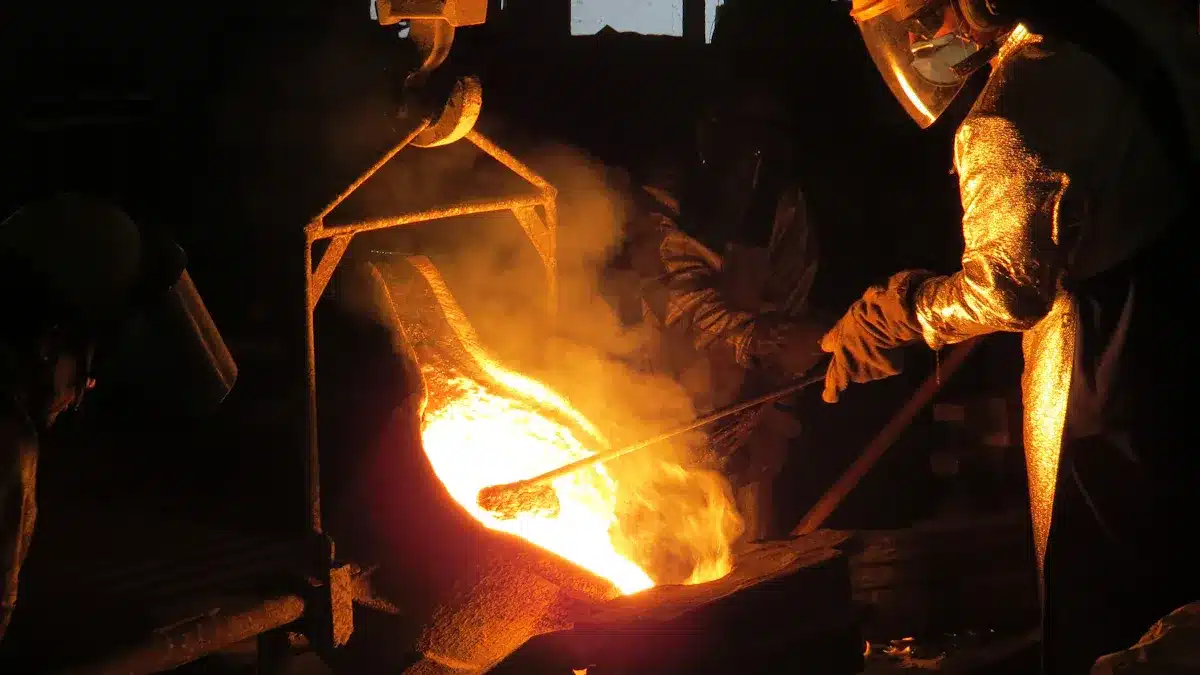
HPDC die casting uses high pressure to inject molten metal into steel molds, producing strong, precise parts for automotive, electronics, and more.
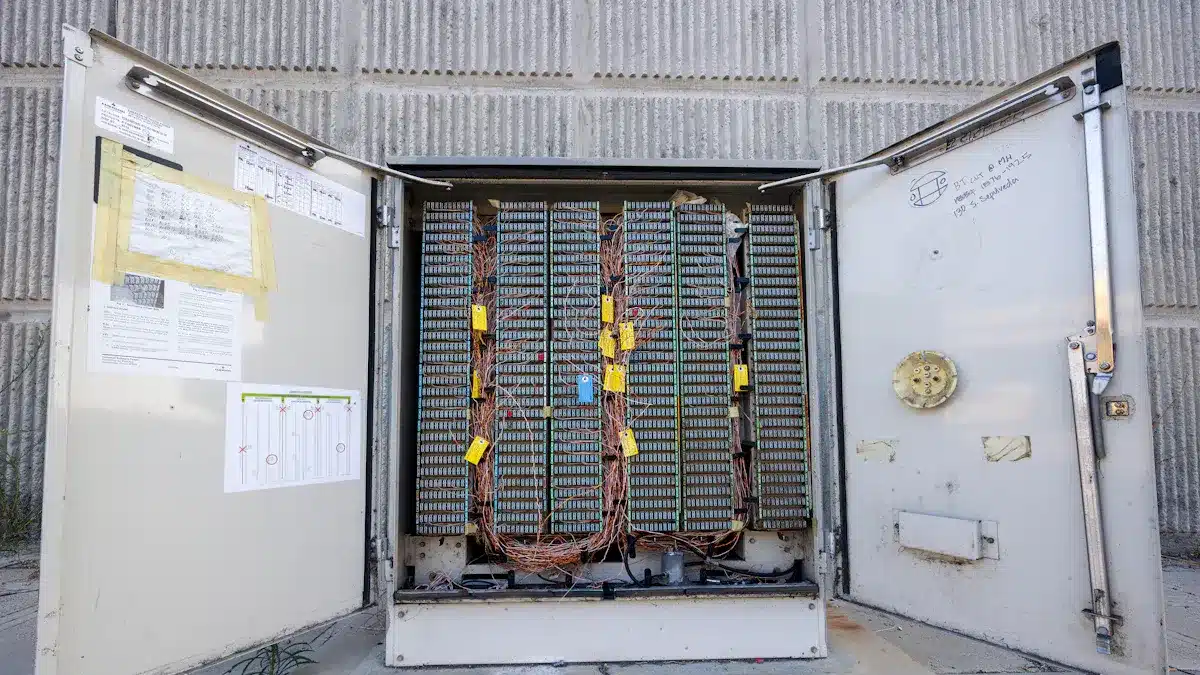
Telecom die-castings housing helps telecom equipment work better and stay safe. Telecom workers use these housings to stop electromagnetic interference. This keeps signals clear and easy to trust. The strong build also protects important parts from weather and damage, which is crucial for sensitive electronics die-castings. Using materials like zinc die-casting can further enhance the shielding performance needed in this sector. This mix of good shielding and strong protection makes communication systems safer and better. Key Takeaways Die Casting Telecommunication Housing Die casting telecommunication housing is very important in today’s
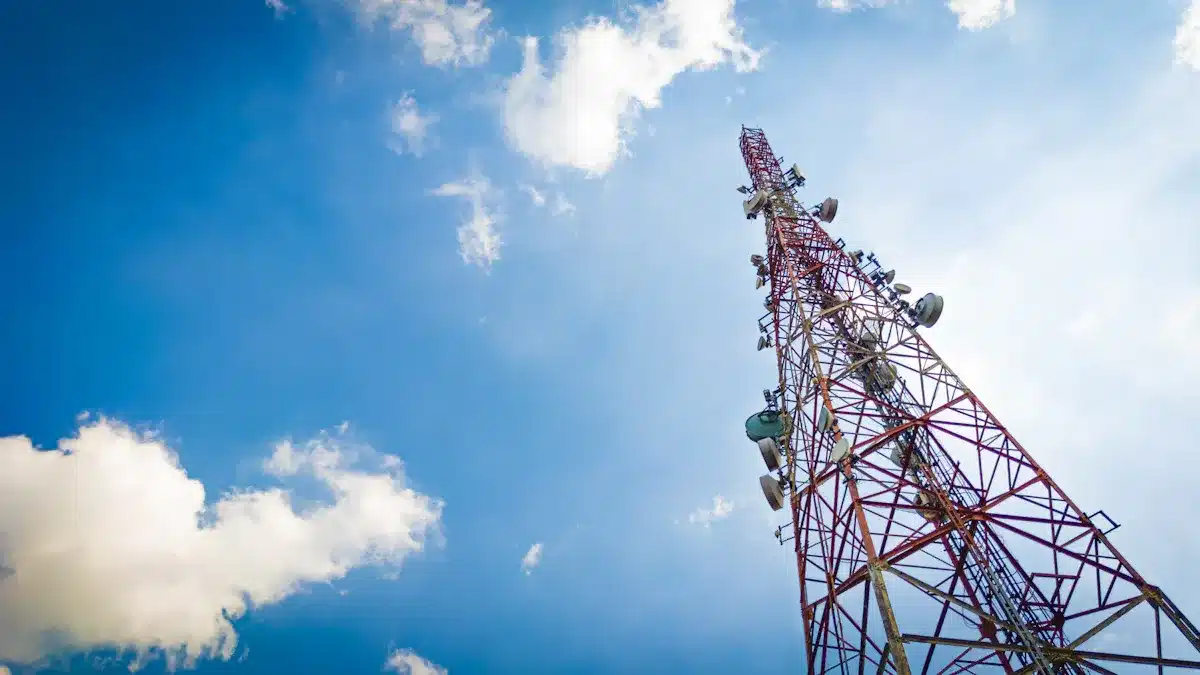
Aluminum die-casting is transforming the way telecommunication infrastructure is built. It delivers precise, durable, and efficient solutions for modern networks. Reports indicate a rising demand for telecom die-castings components that meet strict industry standards, especially as 5G and IoT technologies accelerate growth. In 2024, the market was valued at USD 2.5 billion and is projected to reach USD 4.1 billion by 2033. This expansion is driven by lightweight, heat-dissipating enclosures (a similar functional requirement seen in high-efficiency lighting die-castings) and the need for robust infrastructure. Telecom operators are now prioritizing

With continuous technological advancements, outdoor communication equipment is moving towards miniaturization and lightweight design. This trend demands that outdoor Telecom die-castings enclosures be as small and light as possible without compromising their heat dissipation capabilities—a challenge also faced by advanced lighting die-castings. Conventional die casting techniques face limitations in further improving thermal performance, especially when using standard aluminum die-casting alloys. However, semi-solid die casting technology offers promising solutions due to its unique material structure and excellent thermal conductivity, enabling enhanced heat dissipation while maintaining structural integrity. 1. Understanding Semi-Solid Die