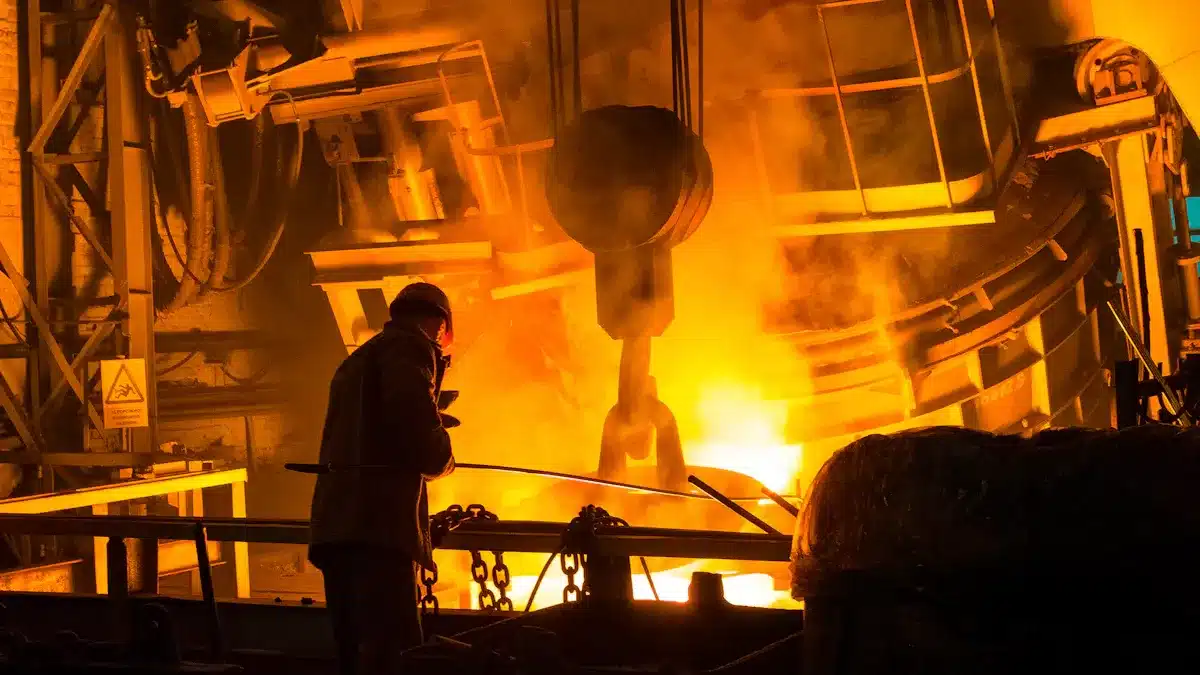
What is the temperature of die casting process?
Die casting process temperatures vary by alloy, with mold temps from 150°C to 300°C and metal temps from 600°C to 1100°C for best results.

Die casting process temperatures vary by alloy, with mold temps from 150°C to 300°C and metal temps from 600°C to 1100°C for best results.
The die casting process is used for automotive parts, electronics, medical devices, aerospace components, and consumer products.
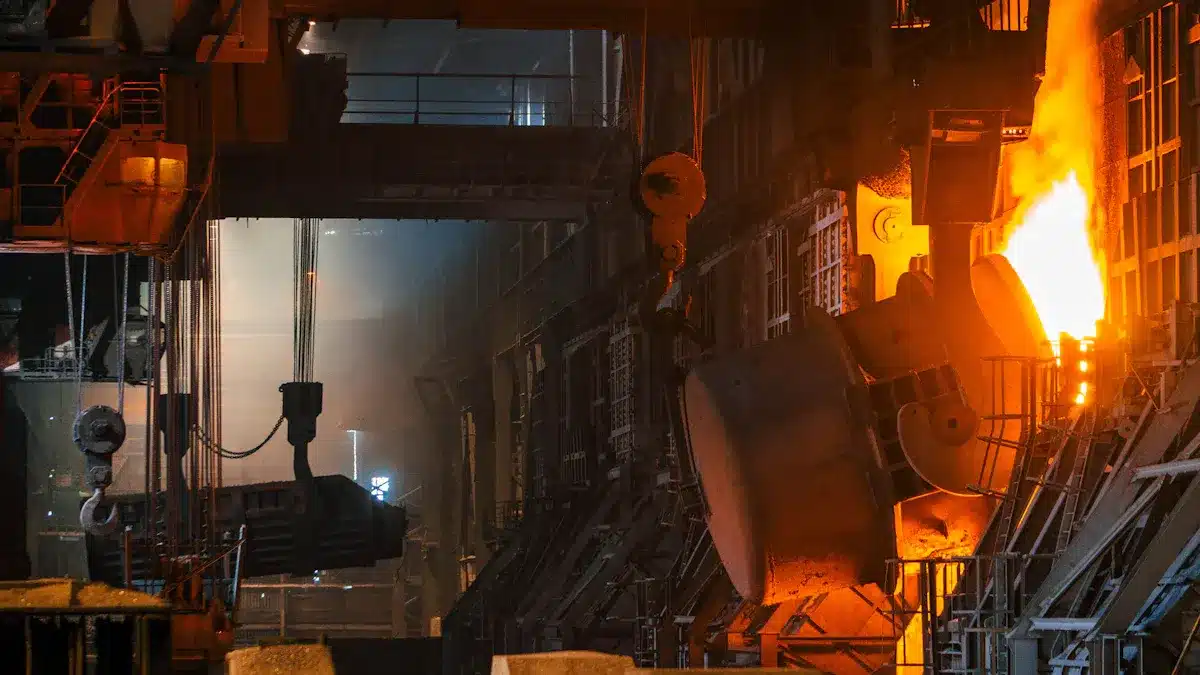
Selecting the best method for making electronic enclosures depends on the complexity of the design, required strength, and production quantity. Die casting for electronic enclosure is an excellent choice when engineers need durable electronics die-castings with intricate shapes and smooth finishes. Depending on the required strength and shielding, materials like zinc die-casting or copper die-casting may be selected. On the other hand, stamping is more suitable for simple, high-volume parts that don’t require complex geometries. The table below highlights the main reasons companies choose each process: Reason Category Die Casting
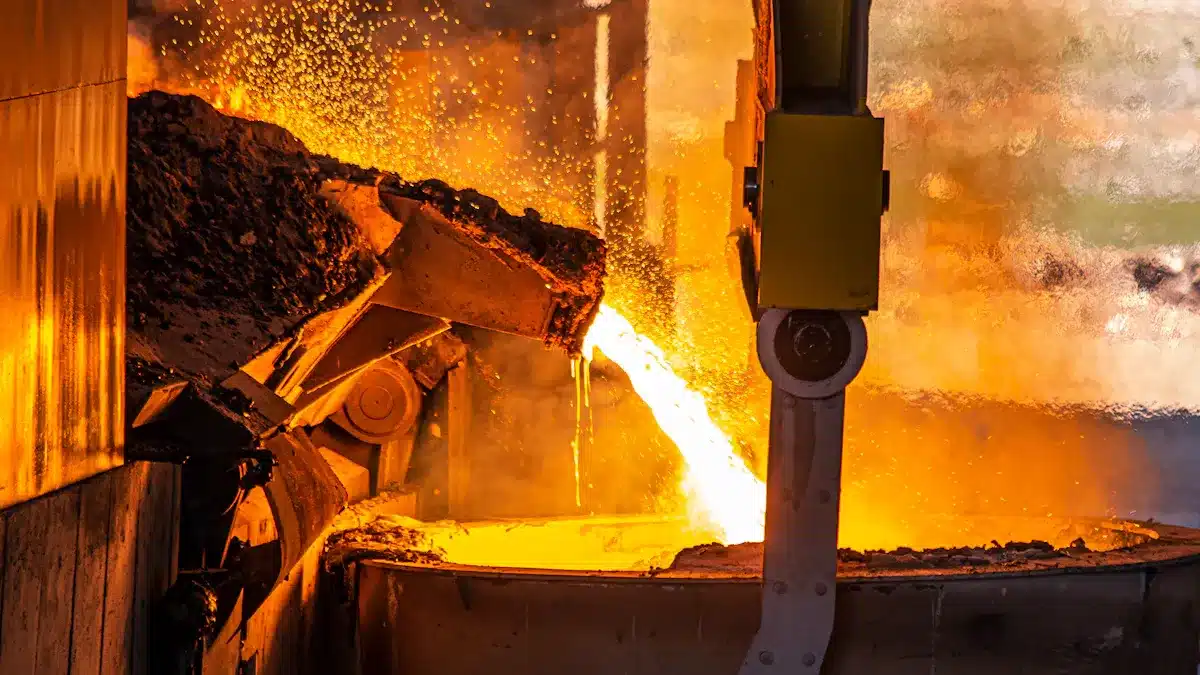
When you pick materials for Electronics die-castings, you should check corrosion resistance, strength, machinability, and cost. The best alloy makes your parts last longer and work better. Strong alloys can handle daily use; a high standard often seen in medical die-castings as well. Good machinability means you can shape parts easily. Cost changes your project’s budget. Every choice in aluminum die-casting can change how your products work and how much they cost to make. Key Takeaways Key Factors in Electronics Aluminum Alloy Die Casting Corrosion and Wear Resistance When picking
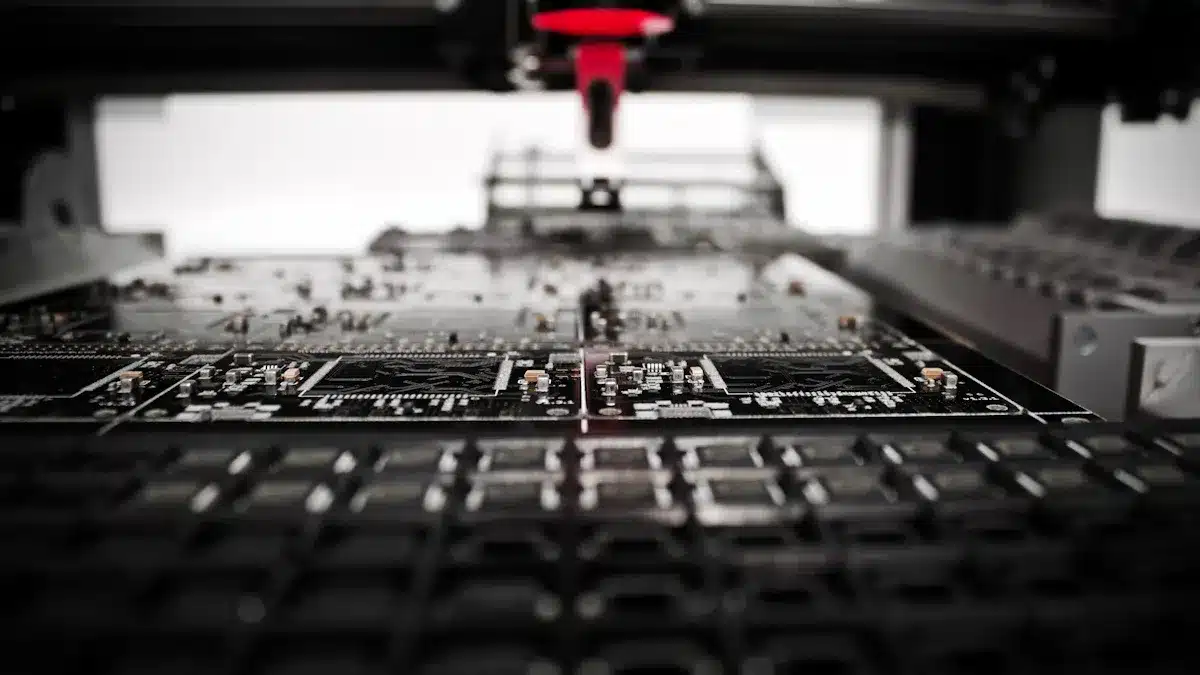
Zinc die-casting is very important in making electronics. This process produces highly precise parts with tight tolerances, ensuring consistent high quality for every component, a level of precision often matched by medical die-castings. Zinc offers strong electrical conductivity and excellent EMI shielding, which is crucial for sensitive devices. Manufacturers choose electronics die-castings made from zinc because the material is durable and long-lasting. It also resists rust, protecting parts in harsh environments. The process allows for complex shapes and smooth surfaces, reducing the need for extra finishing work. The process is