From World-Class Die-Casting Manufacturer

Welcome to the MORELUX Blog for Metal Die-Casting

Exploring Medical Device Solutions with Zinc Alloy Die Casting

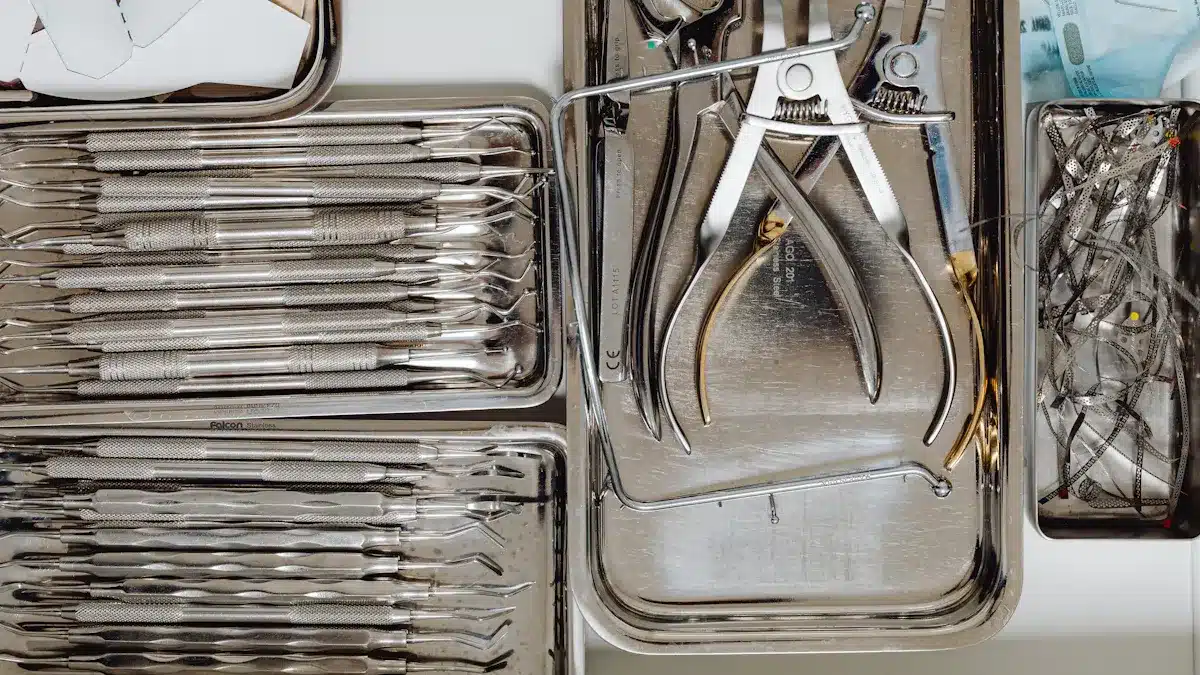
Medical die-castings plays a crucial role in the healthcare industry. This process produces components with excellent fit and long-lasting durability. Zinc die-casting is especially valuable for manufacturing medical device parts that require high precision and reliable performance. Manufacturers choose this process for several reasons: Medical Zinc Alloy Die Casting The Zinc Alloy Die Casting Process in Medical Manufacturing Medical zinc alloy die casting​ uses special methods to make exact parts for medical tools. First, engineers design the part and prepare the mold. They use CAD models and build steel molds
Read More »

Complete Guide to Coatings and Finishes for Corrosion-Resistant Zinc Die Casting

Zinc die-casting products are known for resisting rust better than many other metals. However, die cast zinc corrosion can still occur over time, especially in harsh environments. To extend the lifespan of your products and prevent die cast zinc corrosion, it’s important to use the right coatings and surface finishes, a need often emphasized in long-life products like medical die-castings. Various types of zinc die casting surface finishes are specifically designed to stop die cast zinc corrosion before it begins. With the proper electronics die-castings surface finish, you not only

Read More »

How Zinc Die Casting Shapes Modern Automotive Parts

Zinc die-casting plays a crucial role in manufacturing car parts. This process provides excellent precision and produces strong components for new vehicles. Manufacturers rely on zinc die casting to create complex shapes and thin walls with ease. The parts produced fit together perfectly, minimizing the need for additional finishing work. Key advantages for automotive die-castings include: Zinc Die Casting in the Automotive Industry What Is Zinc Die Casting? Zinc die casting is very important for making car parts. In this process, hot zinc alloys are pushed into special steel molds

Read More »

Which Die Cast Aluminum Alloy Fits Your Project Needs

The best die cast aluminum die-casting alloys for your project depend on your specific requirements. You should choose an alloy by considering factors such as strength, manufacturability, and cost. For instance, it’s important to know if your aluminum part might crack due to heat or stick to the mold during the die casting process. Key considerations for parts like automotive die-castings and medical die-castings include: If you’re unsure which die cast aluminum alloys to select, start by aligning these needs with the appropriate alloy.. Key Takeaways Common Die Cast Aluminum

Read More »

Proven Strategies for Better Aluminum Die Casting Results

You can get better aluminum die-casting results by paying attention to material choice, part shape, and how easy it is to make. These steps help control quality, cost, and how fast you can make each die casting project. Key strategies for critical parts, such as automotive die-castings, include: Key Takeaways Aluminum Die Casting Process Essential Steps Involved in the Aluminum Die Casting Process You can make strong aluminum parts by following each step carefully. Every step is important for making parts that are tough, correct, and not too expensive. Tip:

Read More »

Can you anodize die cast aluminum

You can anodize aluminum die-casting, but it is challenging. Die cast aluminum parts contain a high amount of silicon and dirt, which causes the finish to appear uneven. This often results in dark spots and other blemishes, making it difficult to achieve the smooth finish required for sensitive electronics die-castings. Many die cast aluminum parts end up looking patchy or dark after anodizing, making it difficult to achieve a smooth finish on your aluminum components, especially those used in visible products like lighting die-castings. Key Takeaways Die Cast Aluminum Challenges

Read More »

Exploring Biocompatibility in Medical Die Casting for Safer Devices

Patient safety depends on biocompatibility in medical die-castings. Makers must pick safe materials and use special surface treatments. This helps devices work well and follow the rules. Rules are getting more complex, and this causes problems like: Medical device makers have problems with lab results that do not match, changing rules, and needing expert advice on toxicology, especially when applying surface treatments to materials like aluminum die-casting. Key Takeaways Biocompatibility in Medical Die Casting What Is Biocompatibility? Biocompatibility means a material can be used in the body safely. It should

Read More »

Key Steps to Prevent Porosity and Other Defects in High Pressure Die Casting

You can stop defects in high pressure aluminum die-casting by watching the process closely and making gating and venting better. Always check the temperature during the die casting process. Regular checks help you find casting problems early. Knowing why defects like porosity happen helps you fix them. When you work on making the process better, you make casting quality higher and have fewer problems in your finished die casting products, which is critical for demanding items like medical die-castings and automotive die-castings. Key Takeaways Common Defects in High Pressure Die

Read More »

What is gravity die casting used for

Gravity die casting is a metal manufacturing process used to create high-quality parts with precise shapes, suitable for demanding applications like medical die-castings. It works by pouring molten metal, typically an aluminum die-casting alloy, into a reusable metal mold, called a die, using only the force of gravity. Unlike other casting methods that use pressure or vacuum, gravity die casting relies solely on gravity to fill the mold cavity, yielding excellent material integrity often needed for structural parts in automotive die-castings. How Gravity Die Casting Works The process starts by

Read More »

High Pressure Die Casting vs Low Pressure Die Casting: A Comparative Analysis

High-pressure die casting (HPDC) and low-pressure die casting (LPDC) are two popular methods used in metal casting, each with unique advantages and disadvantages. Understanding these differences is essential for selecting the right process for your manufacturing needs. Both processes are widely used for manufacturing aluminum die-castings. This article compares HPDC and LPDC—processes used extensively in automotive die-castings—and recommends MORELUX as a reliable die casting manufacturer, capable of meeting the stringent quality demands of industries like medical die-castings. What is High-Pressure Die Casting? High-pressure die casting injects molten metal into a

Read More »

Leave Your Message