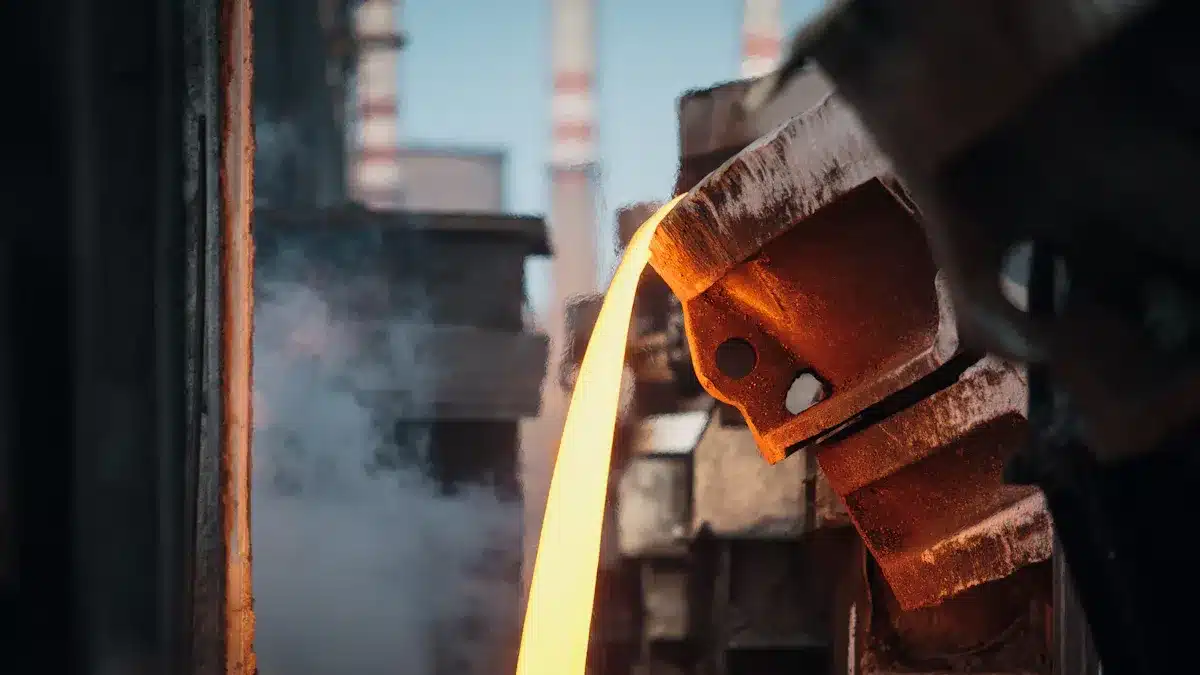
What is the process of zinc casting?
Zinc die casting involves mold preparation, alloy melting, injection, cooling, and trimming to produce strong, precise metal parts for various industries.

Zinc die casting involves mold preparation, alloy melting, injection, cooling, and trimming to produce strong, precise metal parts for various industries.
Aluminum casting uses alloys like A360, A380, and A413. Each die cast aluminum material offers unique strength, weight, and corrosion resistance.
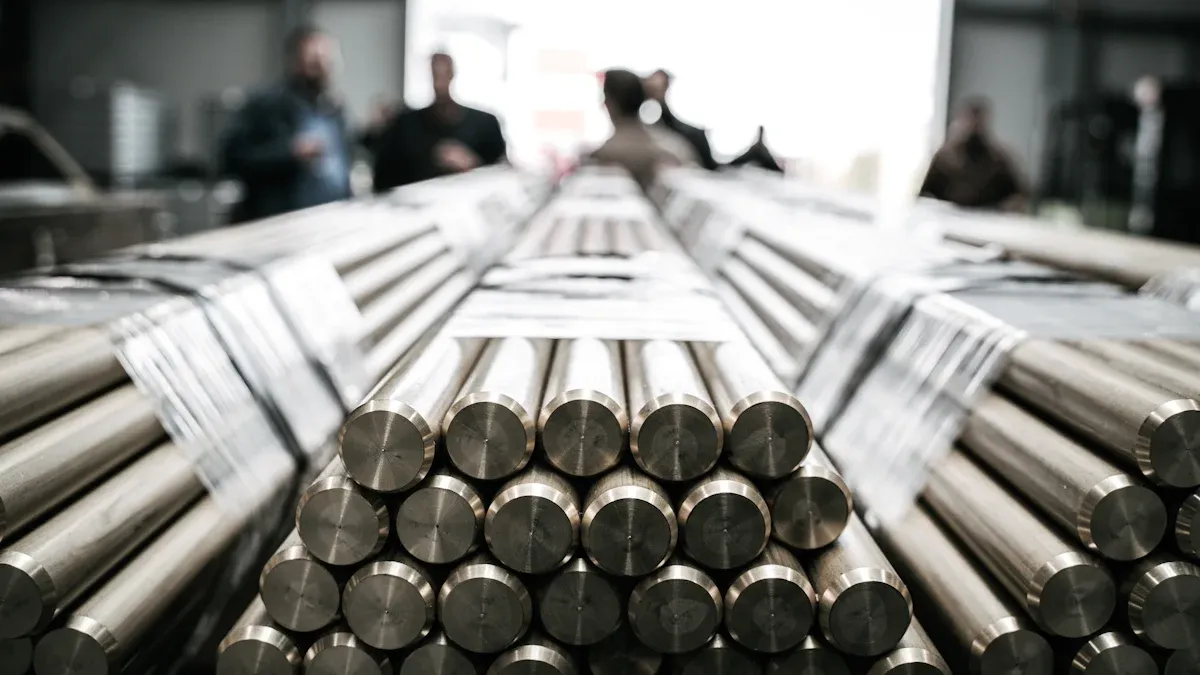
HPDC die casting mainly uses aluminum, zinc, and magnesium alloys for strong, lightweight, and corrosion-resistant parts.
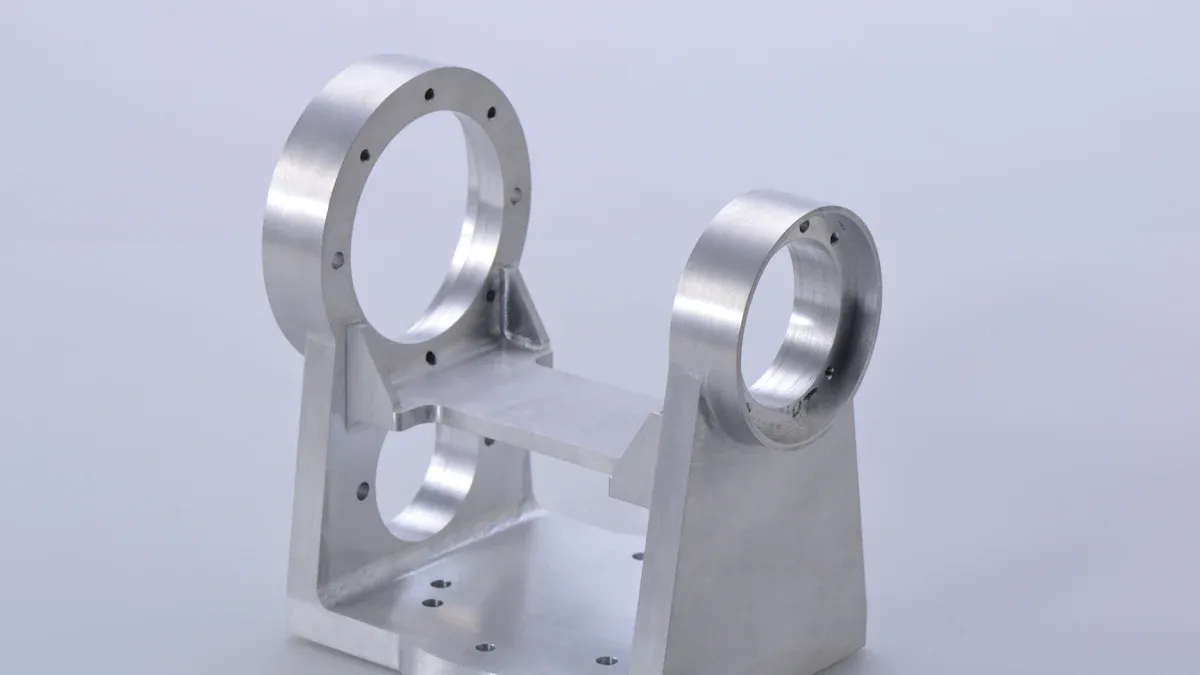
Zinc die casting is used for its strength, precision, low cost, and excellent fluidity, making it ideal for durable, detailed, and efficient components.

As electric vehicles (EVs) rapidly surge in popularity, the electric drive system (e-drive) stands out as the heart of these new-energy vehicles. Its efficiency, weight, and cost directly shape the vehicle’s overall competitiveness. While most discussions focus on motor design and battery density, one key factor often goes unnoticed — die casting technology. From motor housings to battery pack brackets, breakthrough performance and lightweighting of e-drive components rely heavily on ongoing innovations in automotive die-castings. In this blog, we explore how die casting, specifically advanced aluminum die-casting and specialized electronics
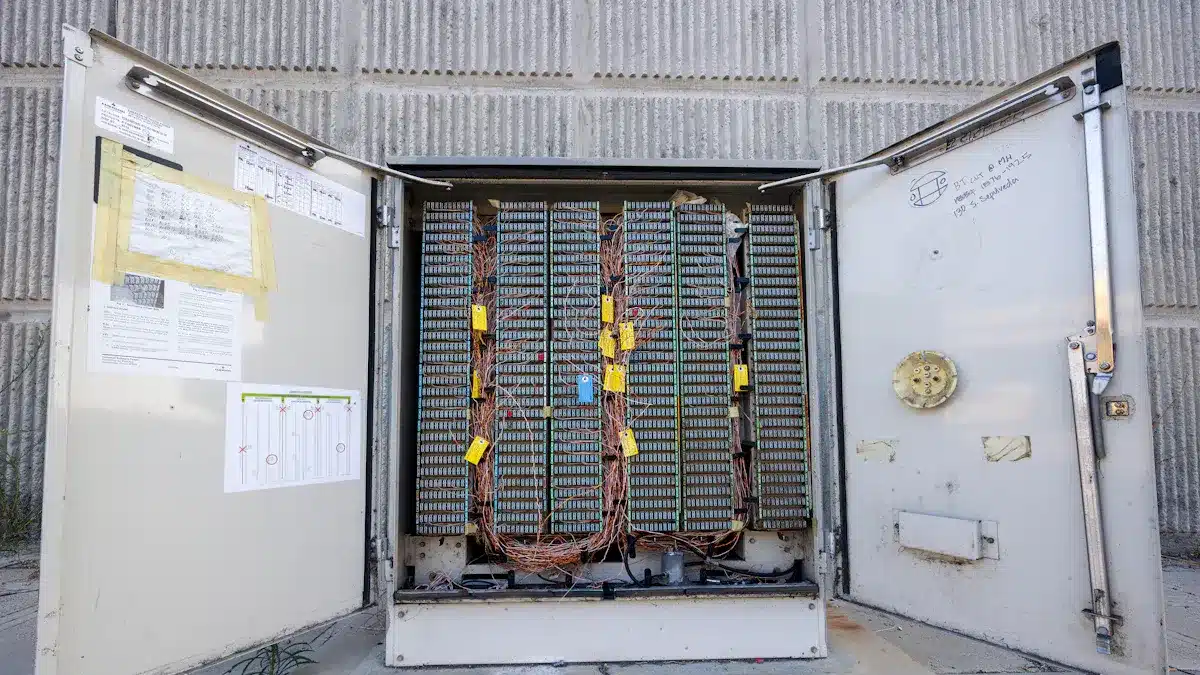
Telecom die-castings housing helps telecom equipment work better and stay safe. Telecom workers use these housings to stop electromagnetic interference. This keeps signals clear and easy to trust. The strong build also protects important parts from weather and damage, which is crucial for sensitive electronics die-castings. Using materials like zinc die-casting can further enhance the shielding performance needed in this sector. This mix of good shielding and strong protection makes communication systems safer and better. Key Takeaways Die Casting Telecommunication Housing Die casting telecommunication housing is very important in today’s

Aluminum die-casting is transforming the way telecommunication infrastructure is built. It delivers precise, durable, and efficient solutions for modern networks. Reports indicate a rising demand for telecom die-castings components that meet strict industry standards, especially as 5G and IoT technologies accelerate growth. In 2024, the market was valued at USD 2.5 billion and is projected to reach USD 4.1 billion by 2033. This expansion is driven by lightweight, heat-dissipating enclosures (a similar functional requirement seen in high-efficiency lighting die-castings) and the need for robust infrastructure. Telecom operators are now prioritizing
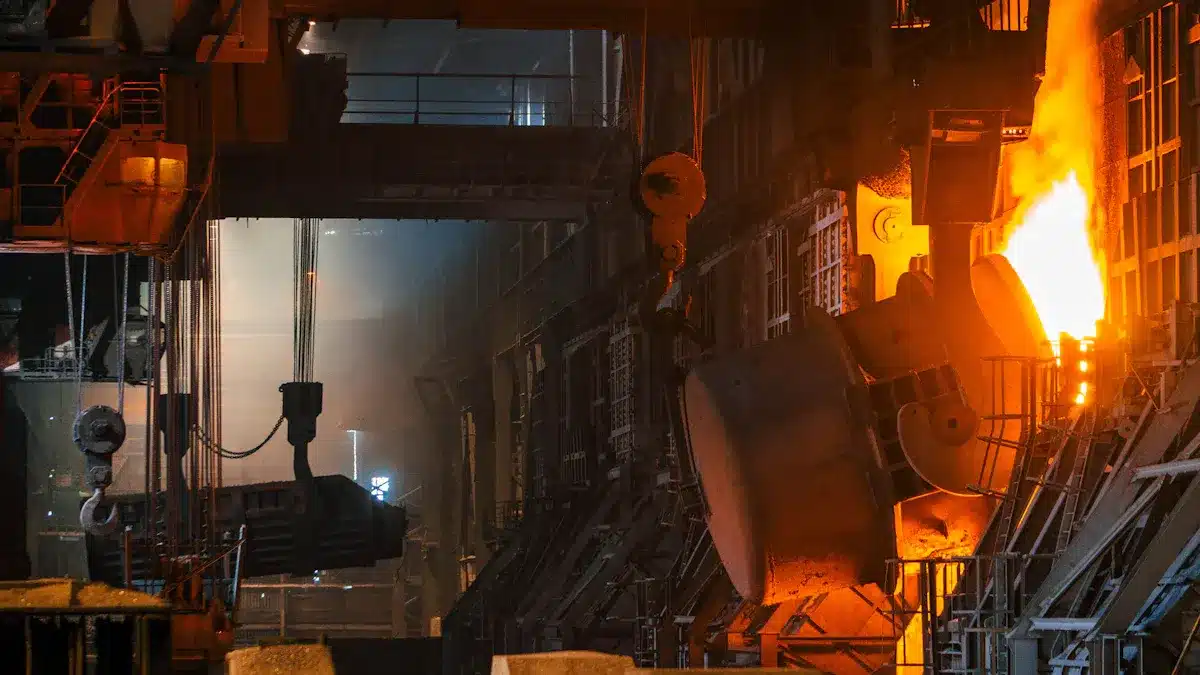
Selecting the best method for making electronic enclosures depends on the complexity of the design, required strength, and production quantity. Die casting for electronic enclosure is an excellent choice when engineers need durable electronics die-castings with intricate shapes and smooth finishes. Depending on the required strength and shielding, materials like zinc die-casting or copper die-casting may be selected. On the other hand, stamping is more suitable for simple, high-volume parts that don’t require complex geometries. The table below highlights the main reasons companies choose each process: Reason Category Die Casting
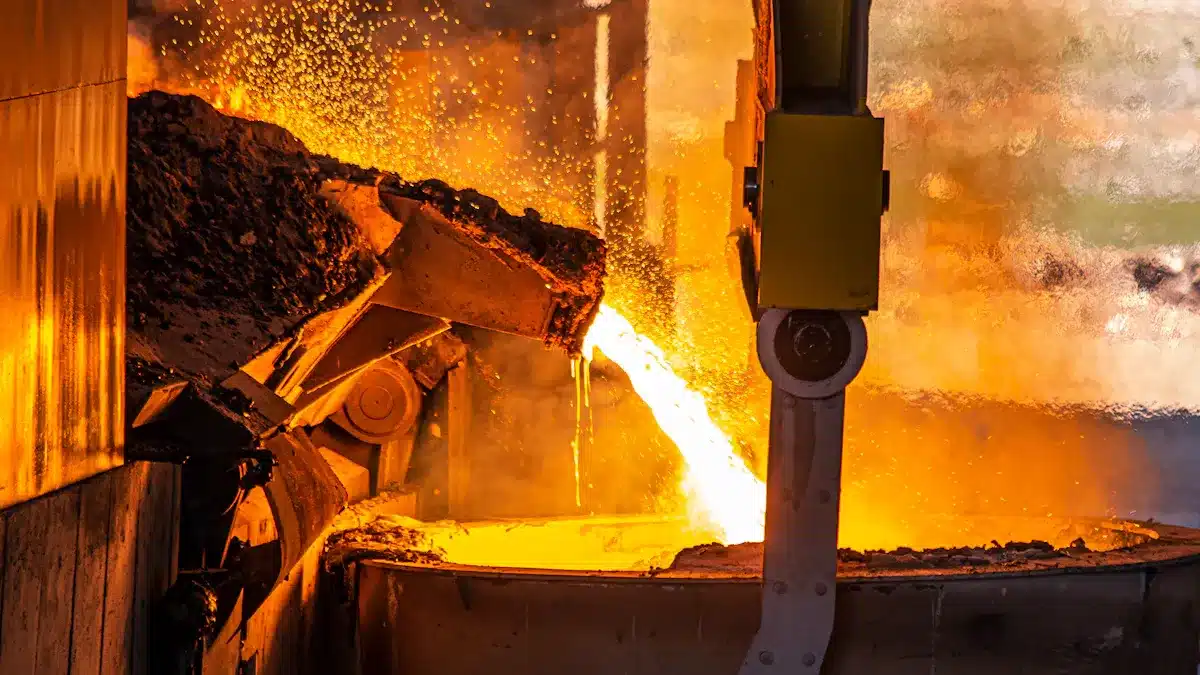
When you pick materials for Electronics die-castings, you should check corrosion resistance, strength, machinability, and cost. The best alloy makes your parts last longer and work better. Strong alloys can handle daily use; a high standard often seen in medical die-castings as well. Good machinability means you can shape parts easily. Cost changes your project’s budget. Every choice in aluminum die-casting can change how your products work and how much they cost to make. Key Takeaways Key Factors in Electronics Aluminum Alloy Die Casting Corrosion and Wear Resistance When picking
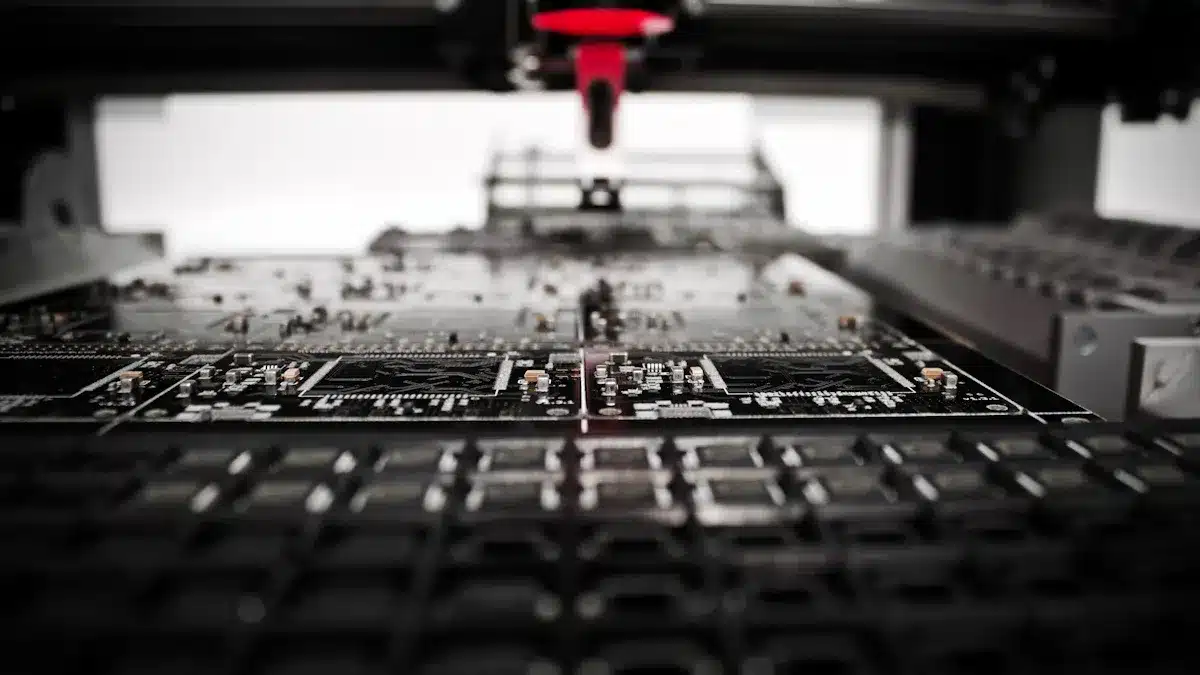
Zinc die-casting is very important in making electronics. This process produces highly precise parts with tight tolerances, ensuring consistent high quality for every component, a level of precision often matched by medical die-castings. Zinc offers strong electrical conductivity and excellent EMI shielding, which is crucial for sensitive devices. Manufacturers choose electronics die-castings made from zinc because the material is durable and long-lasting. It also resists rust, protecting parts in harsh environments. The process allows for complex shapes and smooth surfaces, reducing the need for extra finishing work. The process is