
You can anodize aluminum die-casting, but it is challenging. Die cast aluminum parts contain a high amount of silicon and dirt, which causes the finish to appear uneven. This often results in dark spots and other blemishes, making it difficult to achieve the smooth finish required for sensitive electronics die-castings. Many die cast aluminum parts end up looking patchy or dark after anodizing, making it difficult to achieve a smooth finish on your aluminum components, especially those used in visible products like lighting die-castings.
Key Takeaways
- Anodizing die cast aluminum is hard to do. This is because it has a lot of silicon. The silicon makes the finish look uneven and dark. It can also cause spots and marks on the surface.
- You can polish or sandblast the surface to help. This can make the finish look better. But it might not fix all the problems. This is because of tiny holes and other metals in the alloy.
- Powder coating and other finishes often work better. They can last longer and look more colorful than anodizing on die cast aluminum parts.
Die Cast Aluminum Challenges
Alloying Elements and Anodizing
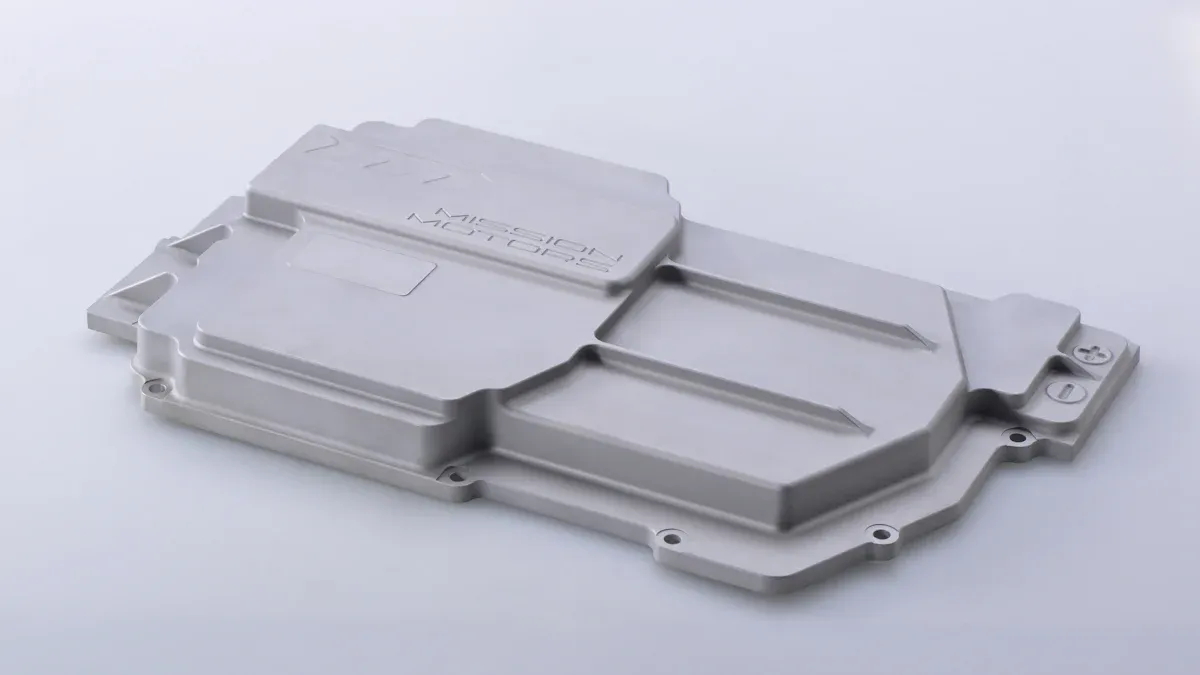
When you use die cast aluminum alloys, you face many problems with anodizing. These alloys have a lot of silicon, copper, and iron. Each element changes how the surface acts during anodizing.
- Silicon makes the metal more porous and rough. This causes the finish to look patchy and uneven.
- When anodizing, silicon turns into silicon dioxide. This can make dark or dirty spots on your parts.
- Copper and zinc do not react well in the acid bath. They make black sludge and lower the coating quality.
- Iron can leave black marks after anodizing. This makes the surface look worse.
| Factor | Effect on Anodizing Process |
|---|---|
| High Silicon Content | Makes the anodized layer uneven, porous, and sometimes black or gray |
| Silicon Crystal Structure | Creates rough crystals, which makes the metal look blotchy |
| Copper and Iron | Cause reddish or black marks, adding more defects |
| Alloy Modification | Newer alloys with magnesium or manganese can help make anodizing better |
You will see that only some die cast aluminum parts, especially those with less silicon, can look better after anodizing.
Surface Porosity Issues
Porosity is another big problem for die cast aluminum. The casting process makes tiny holes and traps dirt or oxides in the metal. These problems stop the anodizing from working well and keep the coating from being smooth.
- Porous surfaces let dye or acid get stuck. This can leak out later and stain your parts.
- You may see white spots, streaks, or uneven color after anodizing.
- Alloys with more silicon, like ADC12, have more holes and more defects.
To get better results, you need to prepare the surface well. Polishing, sand blasting, or chemical cleaning can help lower porosity and remove defects. Even if you do these steps, die cast aluminum parts might still have some flaws after anodizing.
Anodizing Cast Aluminum Results
Typical Anodized Finishes
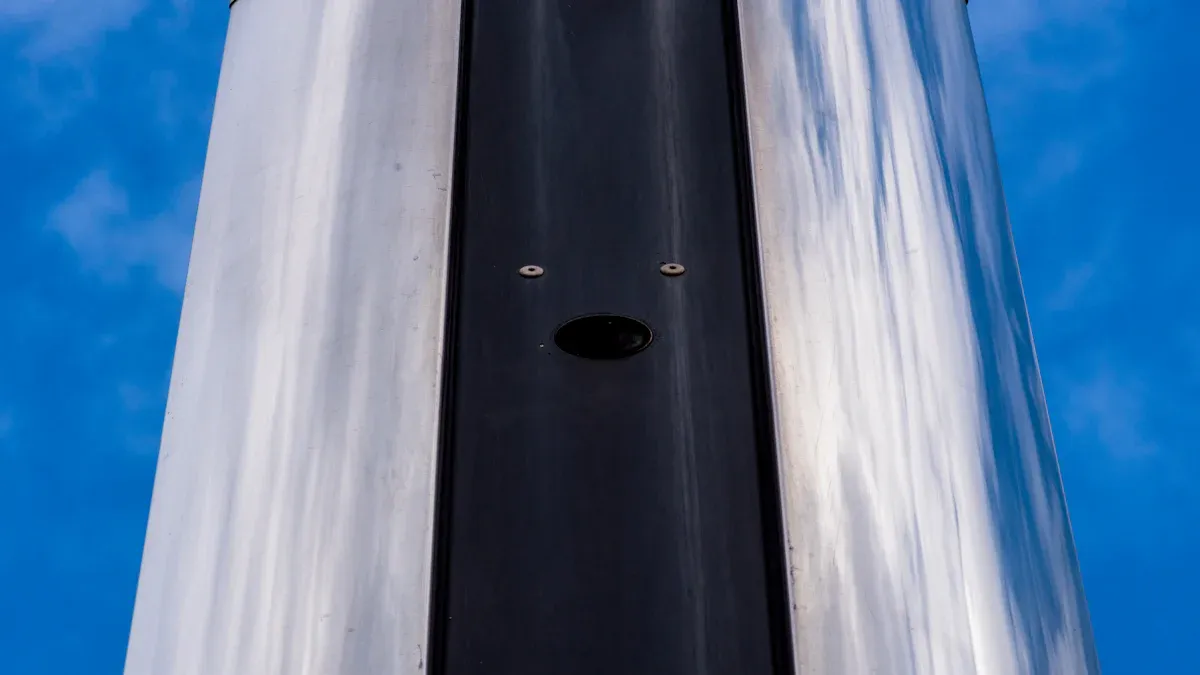
When you anodize cast aluminum, the finish looks different. It does not look like pure or wrought aluminum. The process makes an oxide layer on the surface. But die cast alloys have a lot of silicon and other elements. This makes the finish less even. Most times, the parts look dark, patchy, or even black. It is hard to get clear or colored finishes. Black anodizing is usually the best choice.
Here is a table that shows what to expect when anodizing cast aluminum:
| Characteristic | Description |
|---|---|
| Visual Appearance | Often dark, patchy, or uneven; clear finishes are rare |
| Surface Texture | May feel rough or have visible spots due to porosity and silicon |
| Oxide Layer Thickness | Usually thinner and less uniform than on wrought aluminum |
| Hardness & Durability | Surface becomes harder, but defects can lower protection |
| Finish Variations | Mostly black; other colors are difficult to achieve |
| Color | Black is most common; clear or bright colors are not typical |
The anodized layer is hard and can stop scratches. But it is also brittle. The process does not make the aluminum stronger. It only makes the surface harder and helps stop rust. Still, the finish can have spots, streaks, or uneven color. Many people do not like these flaws. They want a smooth or shiny look.
Tip: If you want a more even finish, try extra surface work. You can polish or sandblast before anodizing. This can help lower some defects, but not all.
Comparison with Wrought Aluminum
If you compare anodizing cast aluminum to wrought aluminum, you see big changes. Wrought aluminum has fewer impurities and a more even structure. This helps the anodizing process make a thicker and smoother oxide layer. The finish on wrought aluminum is usually clear and shiny. It does not have dark spots.
Here are some main differences:
- Wrought aluminum gives a bright and even finish.
- Cast aluminum often looks dark and spotty after anodizing.
- The oxide layer on wrought aluminum is thicker and protects better.
- Cast aluminum has more silicon. This does not make a good oxide layer. It gives less protection and more defects.
- Wrought aluminum is better if you care about looks and long life.
Anodizing does not change the strength of either type. It only changes the surface. But wrought aluminum has a better surface. That is why people use it for nice-looking or high-performance parts.
Alternatives to Anodizing
If you want a better finish for cast aluminum, you can try other ways. Powder coating is a popular choice. This method covers the part with a tough, colorful layer. It protects against rust and wear. Powder coating works well for outdoor things. You can pick many colors and textures.
Here is a table that compares some common ways to finish cast aluminum:
| Surface Finishing Method | Description | Key Benefits | Typical Applications |
|---|---|---|---|
| Powder Coating | Dry powder sprayed and cured by heat | Durable, decorative, many colors, eco-friendly | Outdoor and industrial parts |
| Alodine Finish (Chem Film) | Chemical bath for passivation | Corrosion resistance, keeps conductivity | Electrical and machined parts |
| Bead Blasting | Abrasive cleaning and texturing | Satin finish, removes impurities | Semi-polished surfaces |
| Electroplating | Metal coating by electrolysis | Improved corrosion resistance, shiny look | Decorative and electrical parts |
| Polishing | Mechanical smoothing | Shiny, reflective surface | Medical and retail parts |
| Brushing | Abrasive lines for texture | Scratch resistance, luxury look | Appliances and components |
| Laser Etching | Laser marking | Permanent, detailed marks | Aerospace, automotive, medical |
| Bright Dipping | Acid bath for mirror finish | Highly polished look | Food containers, special alloys |
Powder coating is easy to use, cheap, and good for the planet. It does not use acids or make dangerous waste like anodizing. The powder can be used again. The process makes almost no bad gases.
When you get cast aluminum ready for any finish, follow these steps:
- Cut off extra material from casting.
- Machine the parts to fix size and remove defects.
- Seal any holes with resin if you need leak-proof parts.
- Clean, polish, or sandblast the surface to help coatings stick.
- Pick the right method for your needs and how the part will look.
In factories, powder coating and chromate conversion are picked for good price and long life. Hard anodizing and electroplating are used for extra wear resistance. The best choice depends on how you will use the parts.
You can anodize die cast aluminum, but it is hard to do. The results usually look patchy or uneven. Powder coating or other finishes might work better for you. Look at this table to help you pick the best method:
| Selection Factor | Considerations |
|---|---|
| Material Compatibility | Make sure the finish fits the alloy |
| Functional Needs | Think about rust, wear, or how it looks |
| Cost & Durability | Find a good mix of price and lasting use |
If your aluminum parts are complicated, talk to finishing experts. They can help you get the best results.
FAQ
Can you get bright colors when anodizing die cast aluminum?
You cannot usually get bright colors. Most finishes look dark or spotty because there is a lot of silicon. Black is the color that works best.
Why does my die cast aluminum part have black spots after anodizing?
Black spots show up because silicon and other metals react during anodizing. These things make the color uneven and cause marks on the surface.
What is the best alternative to anodizing for die cast aluminum?
- Powder coating gives a smooth, colorful, and strong finish.
- You can also use chromate conversion or polishing for other looks.