
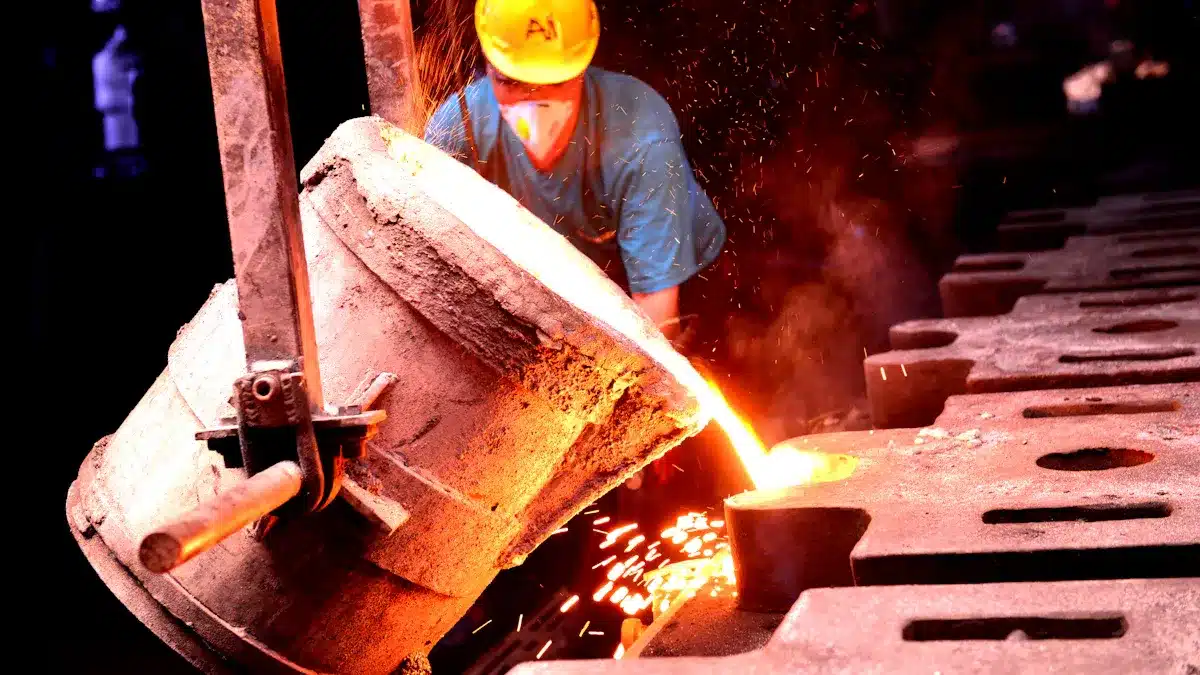
Zinc is the best metal for hot chamber die casting. It melts at a low temperature, allowing it to flow easily into die cast mold. This property helps create die casted parts with sharp details and smooth surfaces. Manufacturers frequently use die cast zinc for a variety of products. Some examples include bathroom fittings, car trim, and plumbing parts. The table below shows common uses for zinc in hot chamber die casting.
Application Type | Examples |
|---|---|
Bathroom and kitchen fittings | Faucets, handles, spouts |
Automotive trim parts | Trim components for vehicles |
Plumbing Components | Shut-off valves, pipe fittings, drains |
Key Takeaways
Zinc is the best metal for hot chamber die casting. It melts at a low temperature of 420°C. This helps make parts quickly and easily.
Zinc alloys, such as Alloy 3 and Alloy 5, have special advantages. They are strong and easy to shape. This makes them good for many uses.
Zinc die cast parts have smooth surfaces and exact shapes. This means less extra work is needed to finish them.
Zinc die casting is faster and costs less than using magnesium or lead. Many industries like to use zinc for this reason.
Zinc is good for the environment and can be recycled. It is safer for people than metals like lead. This makes it a better choice for factories.
Zinc in Hot Chamber Die Casting
Why Zinc Is Ideal for Hot-Chamber Die Casting
Zinc is the best metal for hot-chamber die casting. Metals with low melting points work well in this process. Zinc melts at 420°C, which matches the temperature of the machines. This helps manufacturers make parts faster and more efficiently.
Metal | Melting Point (°C) |
|---|---|
Zinc | 420 |
Aluminum | 660 |
Magnesium | 650 |
Molten zinc flows easily into detailed molds. This helps make parts with sharp edges and smooth surfaces. Zinc fills every part of the mold, even thin and tiny spaces. Hot-chamber die casting uses this to make accurate parts with few mistakes.
Tip: Zinc melts easily and flows well. This means less energy is needed to melt it, so making parts costs less.
Zinc Alloys for Hot Chamber Die Casting
Manufacturers use different zinc alloys for hot chamber die casting. Each alloy has special features for certain uses. The best ones are Alloy 3, Alloy 5, and ZA8. These alloys balance how easy they are to cast, their strength, and resistance.
Alloy | Castability | Resistance | Hardness | Dimensional Stability | Creep Performance |
|---|---|---|---|---|---|
Alloy 3 | Excellent | Lower | N/A | Superior | N/A |
Alloy 5 | Outstanding | Superior | Higher | N/A | Better |
ZA8 | N/A | Superior | Higher | N/A | Superior |
Alloy 3 is great for general hot-chamber die casting. It is easy to cast and keeps its shape well.
Alloy 5 is best for parts that need to be strong and resist bending over time.
ZA8 is chosen when parts need to be very hard and tough.
The right zinc alloy depends on what the part needs to do. Picking the best alloy makes sure the part works well and lasts long.
Advantages of Zinc Die Casted Parts
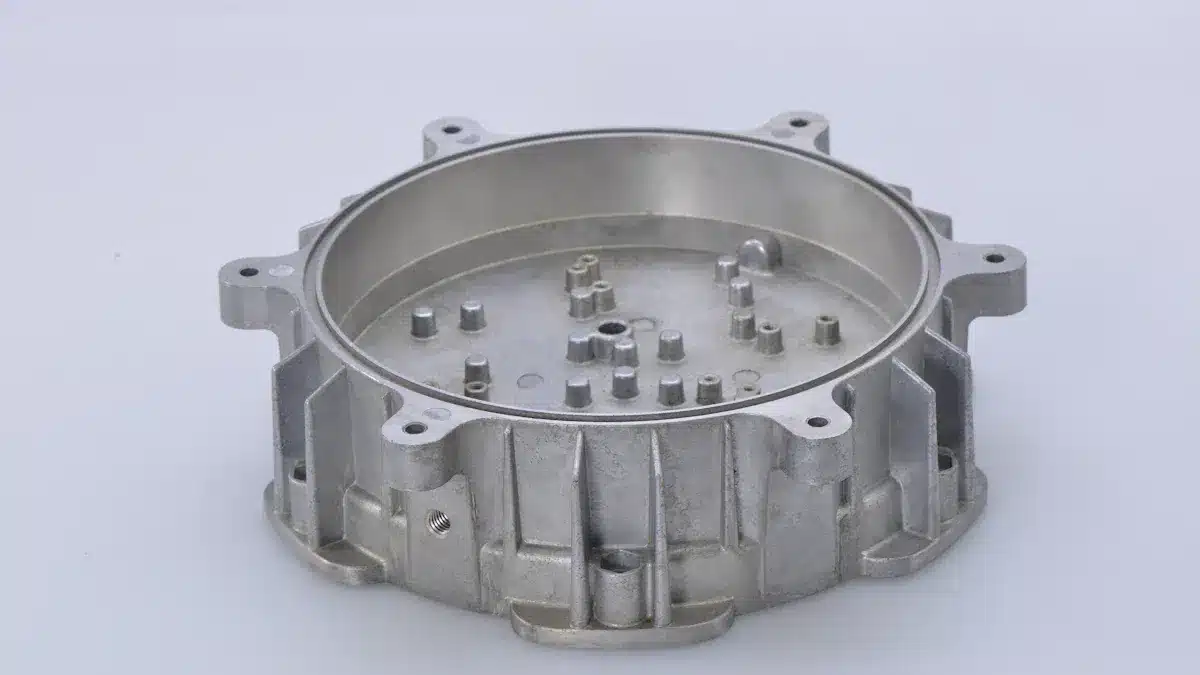
Zinc alloys used in hot chamber die casting have many benefits. The process makes parts with smooth surfaces and accurate shapes. This is important for products that must fit together perfectly.
Evidence Description | Key Points |
|---|---|
Fluidity of zinc enhances surface quality | Smooth surface finish helps with coatings or plating. |
High fluidity allows intricate mold filling | Lets designers make thin and detailed parts that stay strong. |
Excellent fluidity of zinc alloys | Makes parts with walls as thin as 0.8 mm, keeping details clear. |
Zinc alloys fill small and detailed mold spaces very well.
Accurate shapes and smooth surfaces mean less extra work is needed.
Thin and detailed parts are possible, so designs can be light and complex.
Zinc die casting is faster than magnesium and lead die casting. The table below shows the main differences:
Property | Zinc Die Casting | Magnesium Die Casting |
|---|---|---|
Production Speed | Faster | Moderate |
Processing Costs | Lower | Higher |
Corrosion Resistance | Excellent | Needs treatment |
Surface Finish | Better | Moderate |
Tool Life | Longer | Shorter |
Zinc alloys for hot chamber die casting resist rust, stretch well, and are strong. These features make zinc the best choice for hot-chamber die casting in industries that need reliable and precise parts.
Other Metals in Hot-Chamber Die Casting
Magnesium Alloys: Pros and Cons
Magnesium alloys are sometimes used in die casting. They do not work as well as zinc in hot-chamber die casting. Magnesium melts at a higher temperature than zinc, tin, or lead. This makes magnesium less good for the hot-chamber process. The table below shows how melting points and process compatibility are different:
Metal | Melting Point | Process Compatibility |
|---|---|---|
Zinc | Low | Hot Chamber Die Casting |
Tin | Low | Hot Chamber Die Casting |
Lead | Low | Hot Chamber Die Casting |
Magnesium | High | Cold Chamber Die Casting |
Magnesium alloys have some problems in hot-chamber die casting:
Cast parts have more tiny holes than zinc parts.
Machines can rust faster, which costs more money.
Special equipment is needed because of magnesium’s features.
Magnesium’s high melting point makes it hard to use in hot-chamber die casting.
Because of these problems, manufacturers pick other alloys for hot-chamber die casting.
Lead and Tin: Niche Applications
Lead and tin melt at low temperatures. This makes them good for hot-chamber die casting. Lead is soft and heavy. It does not rust and blocks radiation. Lead die casted parts are used in connectors, weights, and shields. Tin is also soft and does not rust. Tin is good for small parts, toys, and decorations. But lead can be harmful to people’s health. Many industries do not use lead in things that touch food or water. Rules in many countries limit lead use. Tin is still used for safe, small die cast parts.
Why Aluminum Is Not Used in Hot Chamber Die Casting
Aluminum is used a lot in die casting. It does not work in the hot-chamber process. Aluminum melts at a much higher temperature than zinc, lead, or tin. Hot-chamber machines cannot handle this heat. Aluminum also reacts with steel parts inside the machine. This reaction can break the equipment. Because of these reasons, manufacturers use cold-chamber die casting for aluminum. In this method, the melted aluminum stays away from the machine until it is injected. Aluminum is best for cold-chamber die casting. Zinc, lead, and tin are best for hot-chamber die casting.
Comparing Die Casted Metals for Hot Chamber Process
Performance and Cost Factors
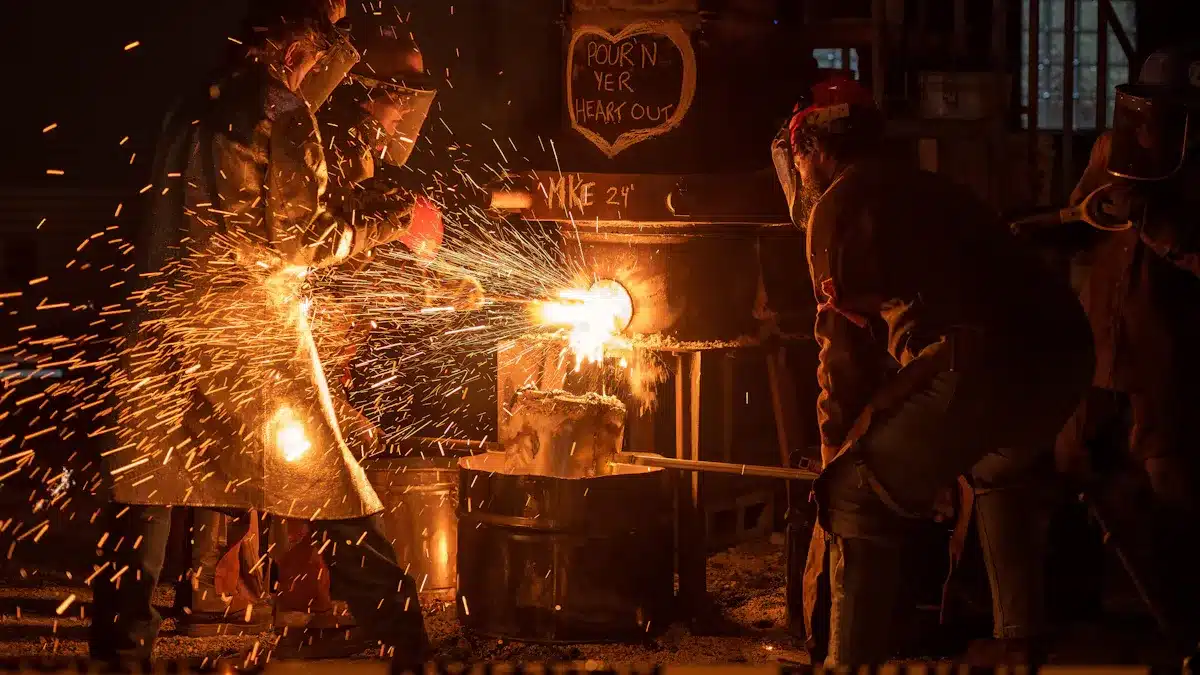
Picking the best metal for die casting depends on how it works and what it costs. Every metal has its own special features. Zinc and zinc alloys bend well and are strong. They are good for making thin and detailed parts. Zinc also helps make parts quickly and with smooth surfaces. Magnesium works in a similar way but needs more energy to melt. It is lighter than zinc but harder to use. Lead and tin melt easily and are simple to cast. They are not as strong and have more rules about their use. Using these metals in die casting saves time and energy. The metal you pick changes how long tools last and how strong the part is.
Application-Based Metal Selection
Manufacturers pick metals for hot chamber die casting based on what the job needs. The table below lists key things to think about:
Factor | Explanation |
|---|---|
Melting Point | Alloys that melt at low heat, like zinc, lead, and tin, work best for hot chamber die casting. |
Equipment Adaptability | Metals that need high heat, like aluminum, need special machines and cost more. |
Cost Considerations | Zinc and tin are cheaper than aluminum, so they are used more often. |
Zinc is chosen for strong parts with fine details. Tin and lead are used for small and simple items. Aluminum is not used in hot chamber die casting because it needs more heat and special machines.
Environmental and Safety Considerations
Rules about safety and the environment help companies decide which metals to use. Zinc is safe and good for the planet. It is not very toxic, uses less energy, and can be recycled. Magnesium needs more energy and is not as stable. Lead can be bad for health and has many rules against it. Tin is safer but is not used as much. Workers must wear gloves and face shields when working with die casting alloys. Factories use fans to clear away fumes. Machines have guards and emergency buttons. Training helps keep everyone safe during die casting.
Note: Companies follow rules like ISO 9001 and ISO 14001. These rules help them choose metals that are safe, strong, and good for the planet.
Zinc Die Casting: Process and Tooling Tips
Maximizing Cycle Efficiency
Manufacturers can make die casting work better by changing a few things. They look at how the process works to get good results. Some things they check are:
Alloy chemistry
Metal temperature and handling
Casting design
Die design, like runner and gate sizes, casting shape, and die temperature
Heating and cooling steps
Ejection
Die lubrication
Simulation software helps find problems before making parts. Engineers use it to fix issues early. This makes products look better and last longer. It also helps the die work well.
Machines that work by themselves help a lot in zinc die casting. Automated shot monitoring keeps things the same for many cycles. Robots and IoT controls mean fewer people are needed. These systems change plunger speed right away. This keeps the metal at the right heat and stops mistakes. Hot chamber die casting can do up to 15 cycles each minute because melting and injection happen fast.
Tip: Using machines and software together helps make more parts faster.
Tooling and Mold Life
How long a mold lasts in zinc die casting depends on design choices. Changing draft angles helps remove parts from molds easily. Putting the parting line in the right spot means less work after casting. It also makes parts look better. Making tolerances just right helps parts work well and saves money.
Zinc melts at a lower temperature, so tools last longer. The hot chamber die casting process is fast. This means tools do not wear out as quickly as with other metals. Taking care of tools is important. Checking, cleaning, and fixing molds often stops big problems. Teaching workers to see early signs of wear helps molds last longer and keeps product quality high.
Note: Taking care of molds helps make more parts and better quality.
Zinc is the best metal for hot chamber die casting. It is strong and not too expensive. Zinc can make parts with lots of detail very fast. Magnesium, lead, and tin are used for special jobs. When picking an alloy, companies look at cost, strength, and how well it fights rust. They also check if it is easy to shape with machines. The table below shows what might change in the future. There will be tougher rules to protect the environment. New technology like AI will help make casting better and catch mistakes quickly.
Market Shift | 2025 to 2035 |
|---|---|
Regulatory Landscape | Stricter environmental mandates for eco-friendly casting materials and energy consumption |
Technological Advancements | AI-based process optimization, defects in real-time, and automated quality control. |
Companies should talk to die casting experts. This helps them pick the right alloy for each job.